Hair ideas / Color & root touch-ups
Hair color patch test: follow product directions and understand what it shows
A patch test is a safety step required by most hair color products to check whether the ingredients will cause an allergic reaction on your skin before you apply the color to your scalp.

Three rules
Start here.
- Perform a patch test 48 hours before you plan to color your hair, not on the same day, because allergic reactions can take up to 48 hours to develop.
- Follow the exact product directions for the patch test, including where to apply it, how long to leave it on, and what to look for, because different products have different instructions.
- If you develop any redness, itching, swelling, burning or irritation during or after the patch test, do not use the product on your hair and consult a doctor if the reaction is severe.
A styling reference, not a product photo.
What defines it
The basics
A hair color patch test is a pre-application safety test where you apply a small amount of mixed hair color product to a small area of skin, leave it on for the time specified in the product directions, and check for signs of an allergic reaction such as redness, itching, swelling or irritation. The test is typically done 48 hours before you plan to color your hair, and it is required or strongly recommended by most permanent and semi-permanent hair color products. The patch test does not tell you what the color will look like on your hair, only whether you are allergic to the product.
What makes a patch test necessary is that hair color products, especially permanent color, contain chemicals like para-phenylenediamine, ammonia, peroxide and other ingredients that can cause allergic reactions in some people. These reactions can range from mild itching and redness to severe swelling, blistering or even anaphylaxis in rare cases. A patch test allows you to identify a reaction before applying the product to your entire scalp, where a reaction would be more serious and harder to treat. Even if you have used hair color before without a reaction, you should perform a patch test each time you use a new product or formula, because sensitivities can develop over time.
This is not the same as a strand test, which tests how the color will look on your hair. A patch test is solely for checking allergic reactions on the skin. It also differs from a porosity test, which checks how your hair absorbs moisture and product.
Repeatable combinations
Formulas to try
- Basic patch test procedure
- Read the patch test instructions on your hair color product packaging. Mix a small amount of the color according to the product directions. Apply a small amount of the mixed product to the inside of your elbow or behind your ear using a cotton swab. Leave it on for the time specified in the instructions, usually 45 minutes to an hour, then rinse it off. Wait 48 hours and check the test area for redness, itching, swelling or irritation. If you have no reaction, you can proceed with coloring your hair.
- Checking for delayed reactions
- After rinsing off the patch test, check the test area immediately and then again every few hours for the next 48 hours. Some allergic reactions develop slowly and may not appear until 24 or 48 hours after application. If you notice any redness, itching, swelling or irritation at any point during the 48 hours, do not use the product. Mild reactions can become more severe when the product is applied to your entire scalp.
- Testing a new product or formula
- Even if you have used hair color before without a reaction, perform a patch test every time you use a new brand, formula, or shade. Different products contain different ingredients, and your sensitivity can change over time. Do not skip the patch test because you have colored your hair before, especially if it has been several months or years since your last application.
- What to do if you have a reaction
- If you develop redness, itching, swelling, burning or irritation during or after the patch test, wash the area immediately with mild soap and cool water. Do not use the hair color product. Apply a cool compress or over-the-counter hydrocortisone cream to reduce itching and swelling. If the reaction is severe, spreads beyond the test area, or includes difficulty breathing, seek medical attention immediately.
- Alternative if you cannot patch test
- If you have very sensitive skin or a history of allergic reactions, consider having your hair colored by a professional stylist who can assess your sensitivity and use professional-grade products with different formulations. You can also ask your doctor or dermatologist about allergy testing for hair color ingredients. Some people with severe sensitivities may not be able to use permanent hair color at all.
Your needs, your plans
Before you buy
- When to perform the patch test
- Perform the patch test at least 48 hours before you plan to color your hair, not the day before or the same day. Allergic reactions can take up to 48 hours to develop, so testing too close to your coloring date does not give you enough time to identify a reaction. Plan ahead and test two days before you want to color.
- Where to apply the patch test
- Most products recommend applying the patch test to the inside of your elbow or behind your ear, where the skin is sensitive and reactions are easy to see. Follow the product directions for the exact location. Do not apply the test to broken, irritated or sunburned skin, which can cause a false positive result or worsen irritation.
- Product-specific instructions
- Different hair color products have different patch test instructions. Some require you to leave the product on for 45 minutes, while others specify a different time. Some products require you to mix the color before testing, while others do not. Always follow the instructions on the specific product you plan to use, not generic patch test advice.
- Limitations of the patch test
- A patch test checks for allergic reactions to the ingredients, but it does not guarantee you will have no reaction when the product is applied to your entire scalp. The scalp is more sensitive than the skin on your arm or behind your ear, and applying the product over a larger area increases exposure. If you have sensitive skin or a history of reactions, proceed with caution even after a negative patch test.
From what you own
Build it and repeat it
Start by reading the patch test instructions on your hair color product packaging at least 48 hours before you plan to color your hair. Gather the materials you need: the hair color product, a small mixing bowl or surface, a cotton swab, and a clean cloth or paper towel. Mix a small amount of the product according to the directions — usually equal parts color and developer if it is a two-part product. Apply a small dab of the mixed product to the inside of your elbow or behind your ear using the cotton swab. Leave it on for the time specified in the instructions, usually 45 minutes to an hour.
Rinse the test area with cool water and pat it dry. Set a reminder to check the area in 24 hours and again in 48 hours. Look for redness, itching, swelling, bumps or irritation. If you have no reaction after 48 hours, you can proceed with coloring your hair. If you have any reaction, do not use the product. Throw away the mixed color — it cannot be saved — and consider trying a different product or consulting a professional stylist or dermatologist.
Shop the pieces
4 color & root touch-ups pieces
Links open similar items, not the pictured ones.
-
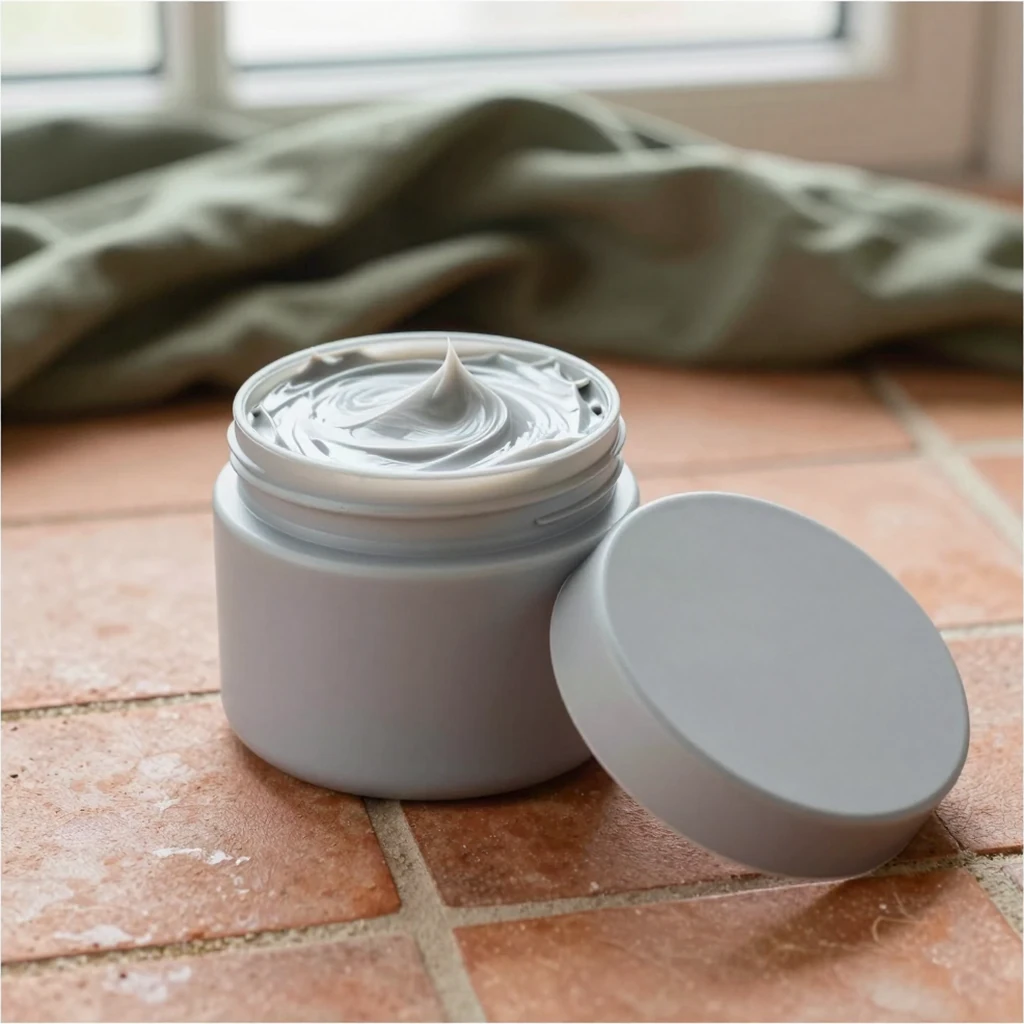
Arctic Fox semi-permanent hair colour, Sterling, 4 fl oz
What to check
Similar silver colour-depositing semi-permanent colour. A silver-grey finish needs very pale, evenly lightened hair; on yellow or uneven blonde it can look dull or green. It fades with washing. Follow the label’s strand test and application directions.
-
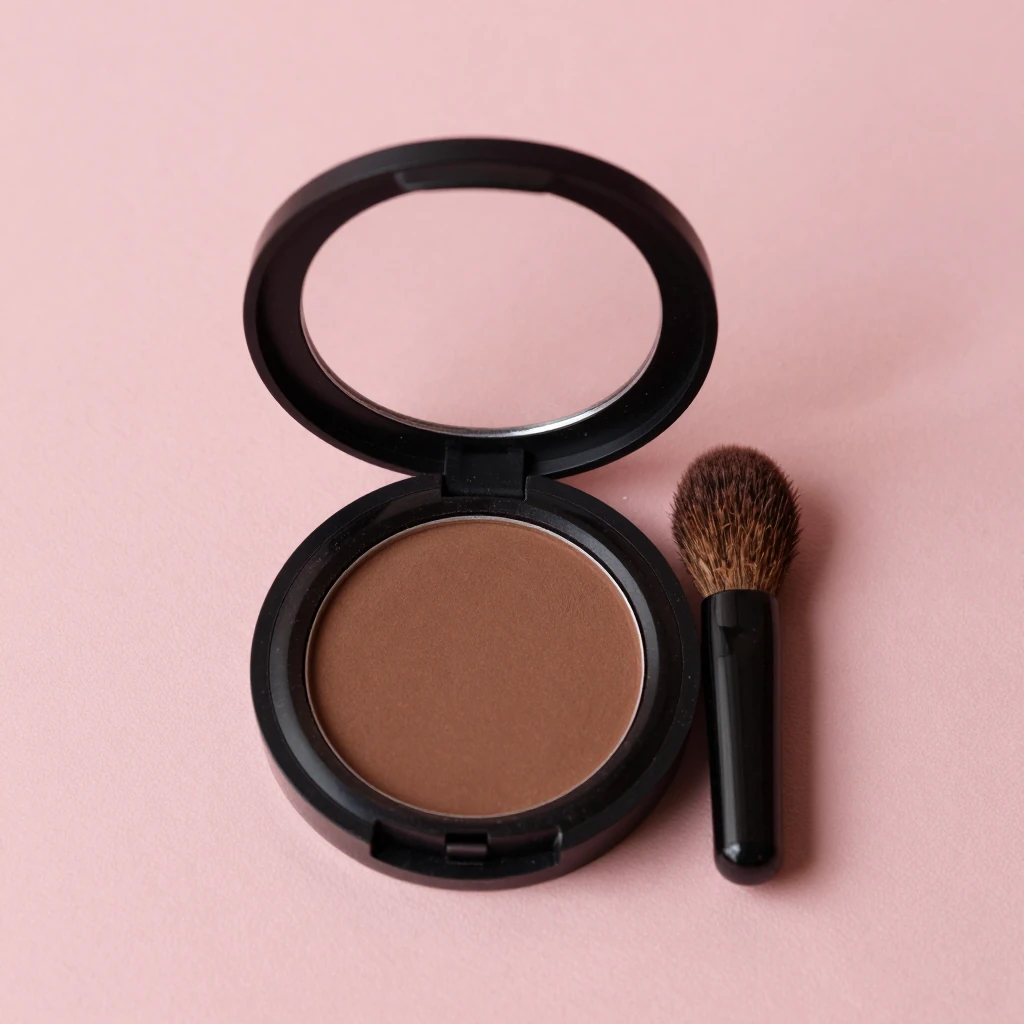
Clairol Root Touch-Up temporary concealing powder, Dark Brown
What to check
Similar temporary dark-brown root powder that washes out; it does not recolour regrowth permanently. The photographed root and highlight contrast is a colour reference. The buy-box seller can change; check who sells it at checkout and follow the label.
-
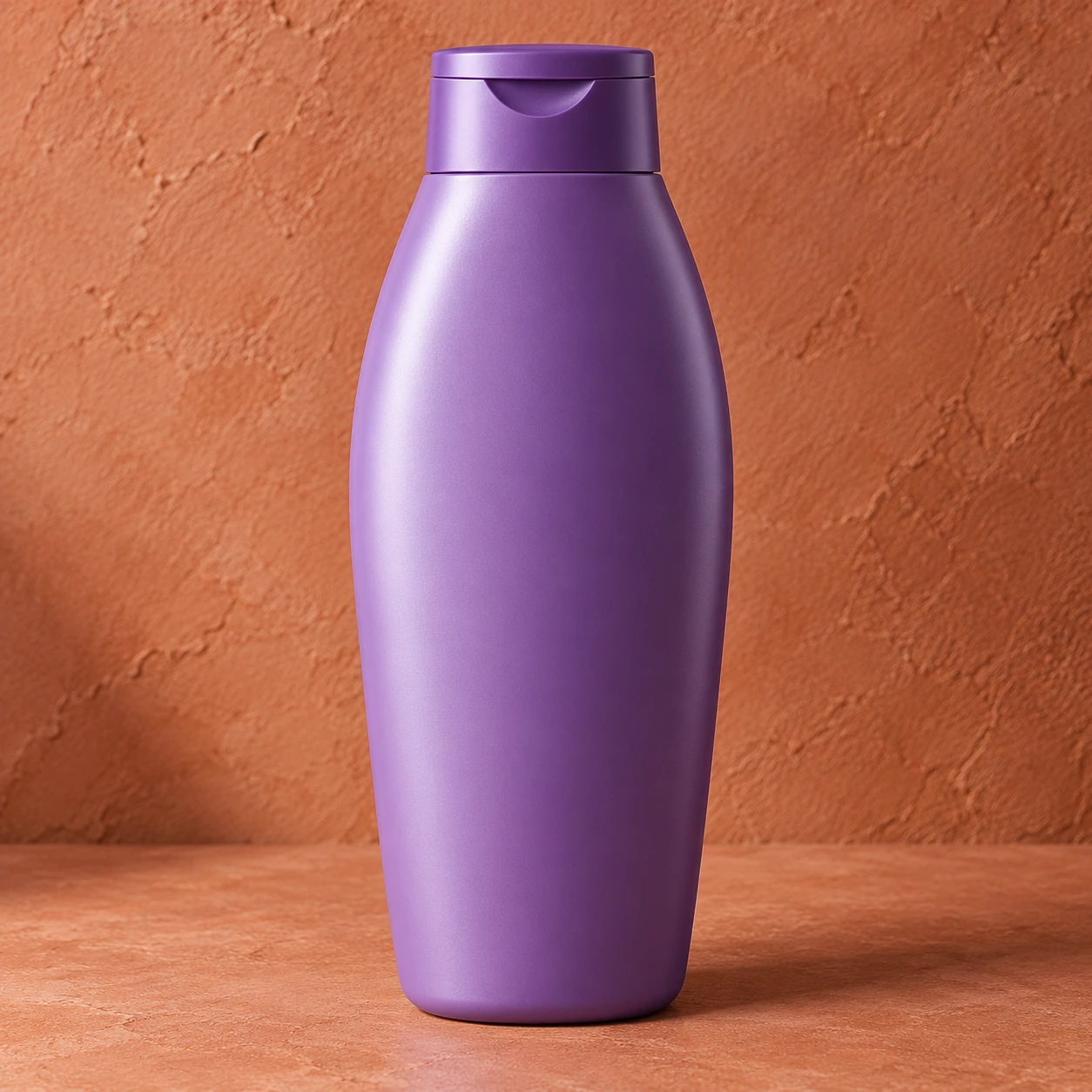
Clairol Professional Shimmer Lights purple shampoo, 8 fl oz
What to check
Optional purple toning shampoo for suitable blonde, highlighted or silver hair. It targets unwanted yellow tones; it does not bleach dark hair or reproduce the illustrated shade. This is the single 8 fl oz shampoo, not conditioner. Follow its label frequency and timing; compare ingredients and rinse carefully. Review feedback includes dryness and scent concerns.
-
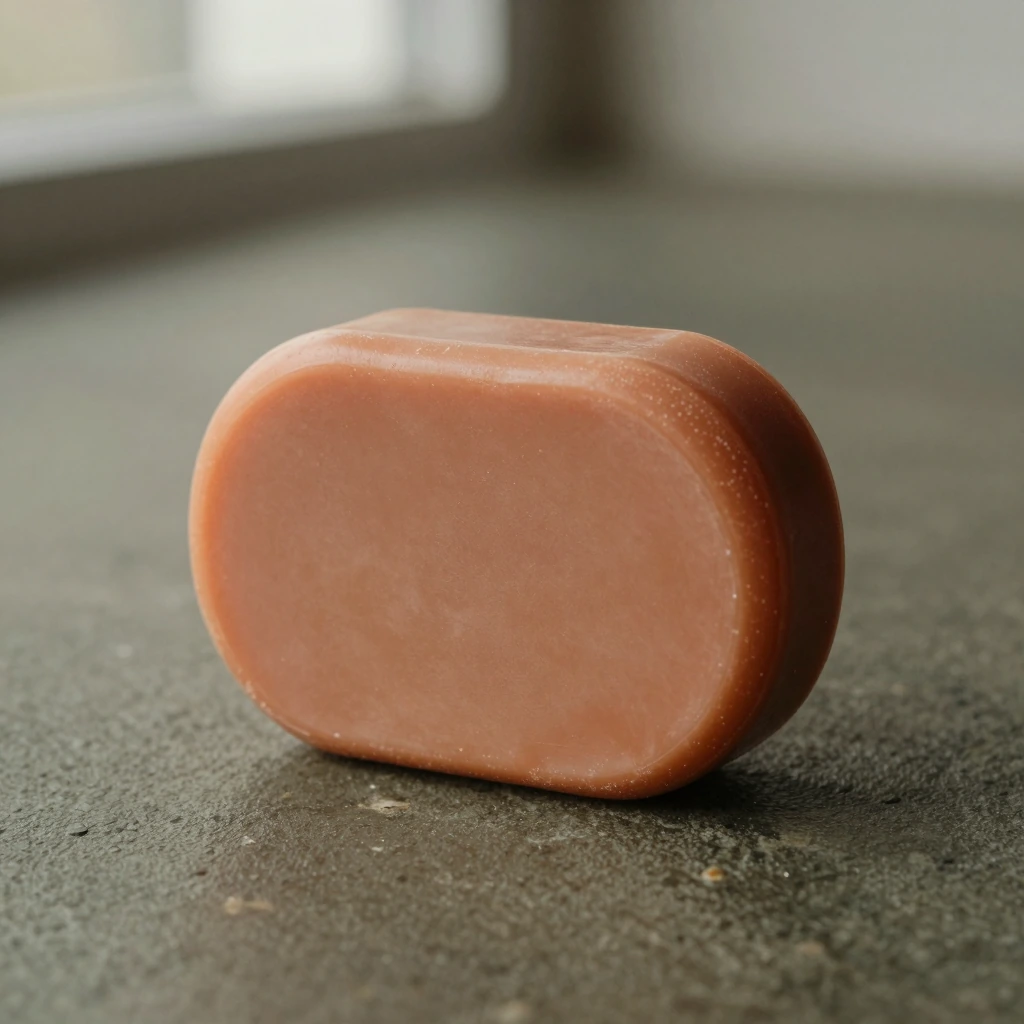
Kitsch rice-water shampoo bar, 3.5 oz
What to check
Similar solid cleansing bar, not proof of the pictured bar’s formula or brand. Follow its current ingredient and washing directions, and allow the bar to drain between uses. The listing markets growth/repair benefits; these are not independently tested or promised here. Reviews differ on dryness, fragrance and how long a bar lasts.
Keep exploring
Related guides
 Color & root touch-ups
A patch test checks for allergic reactions to hair color ingredients before application, while gray root touch-up is a method of applying color to cover new growth; the patch test is a safety step you perform before certain root touch-up methods.
- Color & root touch-ups
A color-treated hair care routine maintains existing color and prevents fading after coloring, while a patch test is a pre-color safety check performed before you apply color to your hair.
Questions
Do I need to do a patch test every time I color my hair?
Yes, you should perform a patch test every time you use a new hair color product, even if you have used hair color before without a reaction. Different brands and formulas contain different ingredients, and sensitivities can develop over time. If you are using the exact same product you have used recently without issues, some people skip the patch test, but the safest practice is to test every time.
What does a positive patch test reaction look like?
A positive reaction can include redness, itching, swelling, bumps, burning, stinging or blistering at the test site. The reaction may appear immediately, within a few hours, or up to 48 hours after application. Even mild redness or itching means you should not use the product, as the reaction will likely be worse when applied to your entire scalp. If you are unsure whether you are having a reaction, err on the side of caution and do not use the product.
Can I color my hair the same day as the patch test?
No, you need to wait 48 hours after the patch test to see if a reaction develops. Allergic reactions can take up to 48 hours to appear, so testing on the same day as coloring does not give you enough time to identify a problem. Plan ahead and perform the patch test at least two days before you want to color your hair.
What should I do if I skip the patch test and have a reaction while coloring?
If you have a reaction while applying hair color — such as burning, stinging, itching or swelling — rinse the product out immediately with cool water and mild shampoo. Do not leave it on to finish processing. Apply a cool compress to the affected area and consider taking an over-the-counter antihistamine if you have itching or swelling. If the reaction is severe, spreads beyond the scalp, or includes difficulty breathing, seek medical attention immediately. Always perform a patch test before coloring to avoid this situation.
Generated references, not tested products. How shopping links work.