Hair ideas / Care & wash day
Low porosity hair routine: wetting, conditioning and buildup
Low porosity hair takes longer to wet, longer to dry, and shows product buildup faster than high porosity hair. Your routine needs to account for those timing differences.
Three rules
Start here.
- Wet your hair thoroughly under warm water for at least two minutes before applying shampoo or conditioner, because low porosity hair takes longer to saturate than it appears.
- Choose lightweight conditioners and styling products with smaller molecules like glycerin or aloe rather than heavy oils and butters that sit on the cuticle.
- Clarify with a chelating or clarifying shampoo every two to four weeks to remove product buildup, hard water minerals and silicone residue that accumulate faster on low porosity hair.
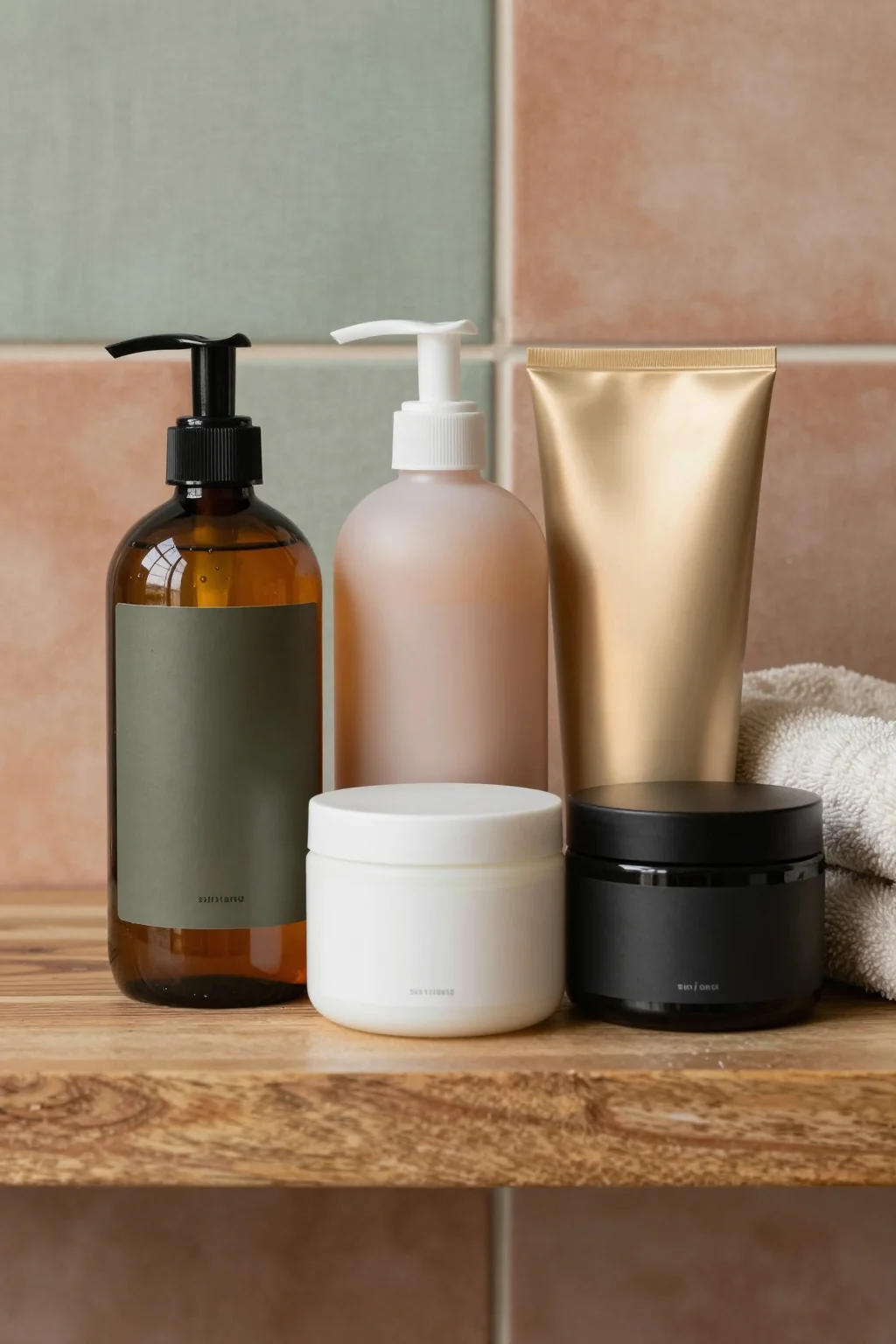
A styling reference, not a product photo.
What defines it
The basics
Low porosity hair describes strands where the cuticle layer lies flat and tight, which makes it harder for water and conditioning ingredients to penetrate the hair shaft. This is not a defect or a problem to fix — it is a structural characteristic, often genetic, that affects how you approach washing, conditioning and styling.
What makes a routine work for low porosity hair is attention to timing and product weight. Water takes longer to saturate the strands fully, so rushing the wetting step leaves you working with partially dry hair. Heavier oils and butters sit on top of the cuticle instead of absorbing, which leads to greasy buildup and limp roots. Conditioners that work well for high porosity hair can weigh low porosity hair down within one or two washes. The goal is not to force the hair to behave differently, but to adjust your technique and product choices to match how the hair actually responds.
This is not the same as fine hair, though the two can overlap. Fine refers to strand thickness; low porosity refers to cuticle tightness. You can have thick, coarse, low porosity hair or fine, high porosity hair. Low porosity hair also differs from protein-sensitive hair, though people sometimes confuse the two because both can feel stiff or coated when the wrong products are used.
Repeatable combinations
Formulas to try
- Warm water soak before shampooing
- Stand under warm running water and let it saturate your hair for a full two minutes before applying any product. Use your fingers to lift sections and let water flow through the layers. This step is often skipped, but it is the most important one for low porosity hair. If you shampoo partially dry hair, you are working against the cuticle structure from the start.
- Lightweight conditioner with rinse-through
- After shampooing, apply a lightweight rinse-out conditioner from mid-length to ends, avoiding the roots. Let it sit for one to two minutes, then rinse thoroughly with warm water. Low porosity hair needs less conditioning time than high porosity hair because the cuticle does not open as easily. If your hair feels slippery or heavy after rinsing, you have used too much product or not rinsed enough.
- Clarifying shampoo rotation
- Every two to four weeks, replace your regular shampoo with a clarifying or chelating formula that removes mineral deposits and product buildup. Focus on the scalp and roots, then let the lather rinse through the lengths. Follow with a lightweight conditioner on the ends only. This reset keeps low porosity hair responsive to your regular products.
- Heat-assisted deep conditioning
- If you deep condition, apply a lightweight hair mask to clean, damp hair and cover with a shower cap or warm towel for 15 to 20 minutes. The gentle heat helps the cuticle lift slightly so conditioning ingredients can penetrate. Skip this step if your hair feels weighed down after regular conditioning — not everyone with low porosity hair needs deep treatments.
- Leave-in product test
- If you use a leave-in conditioner or styling cream, start with a dime-sized amount on damp hair and see how it dries. Low porosity hair often needs less product than you think. If your hair looks greasy or feels sticky by the second day, reduce the amount or skip the leave-in entirely. A water-based spray or aloe gel may work better than a cream.
Your needs, your plans
Before you buy
- Drying time and method
- Low porosity hair holds water longer, so air drying can take four to six hours or more depending on thickness and length. If you need to speed up drying, use a blow dryer on medium heat with a diffuser attachment, or try the tension method with a paddle brush. Avoid sitting with soaking-wet hair for extended periods, as prolonged moisture exposure can lead to hygral fatigue, where the hair shaft swells and weakens from repeated water absorption cycles.
- Hard water and mineral buildup
- If you live in an area with hard water, low porosity hair will show mineral buildup faster than other hair types. The calcium and magnesium in hard water coat the cuticle and make the hair feel rough or straw-like even after conditioning. A chelating shampoo once a month or a shower filter can reduce this buildup. You will notice the difference when your hair feels softer and more responsive to products.
- Protein treatments
- Low porosity hair can be protein-sensitive, meaning protein-heavy treatments make the hair feel stiff, dry or brittle. If a product contains hydrolyzed protein, keratin or amino acids high on the ingredient list and your hair feels worse after using it, you may need to avoid or limit protein. Not all low porosity hair is protein-sensitive, so test one product at a time and observe how your hair responds over a week.
- Seasonal adjustments
- In humid weather, low porosity hair may feel slightly more flexible because ambient moisture helps the cuticle lift. In dry winter air, the cuticle tightens further and the hair may feel more resistant to conditioning. You may need a slightly richer conditioner in winter or a lighter one in summer. Pay attention to how your hair behaves across seasons rather than sticking to one year-round routine.
From what you own
Build it and repeat it
Start by confirming that your hair is actually low porosity before adjusting your routine. The simplest test is to place a clean, shed hair in a glass of water and wait a few minutes. Low porosity hair floats or takes a long time to sink because the cuticle resists water absorption. High porosity hair sinks quickly. If your hair floats, proceed with the low porosity routine. If it sinks immediately, your hair may be high porosity and you need a different approach.
Once you confirm low porosity, focus on the wetting step first. This single change makes the biggest difference. Set a timer for two minutes and let warm water run through your hair before you reach for shampoo. Next, replace any heavy oils, butters or thick creams with lightweight conditioners and water-based leave-ins. Finally, add a clarifying shampoo to your rotation every two to four weeks. These three changes address the core characteristics of low porosity hair: slow water absorption, product buildup, and cuticle tightness. You can refine the routine over time, but start with these fundamentals.
Shop the pieces
14 care & wash day pieces
Links open similar items, not the pictured ones.
-
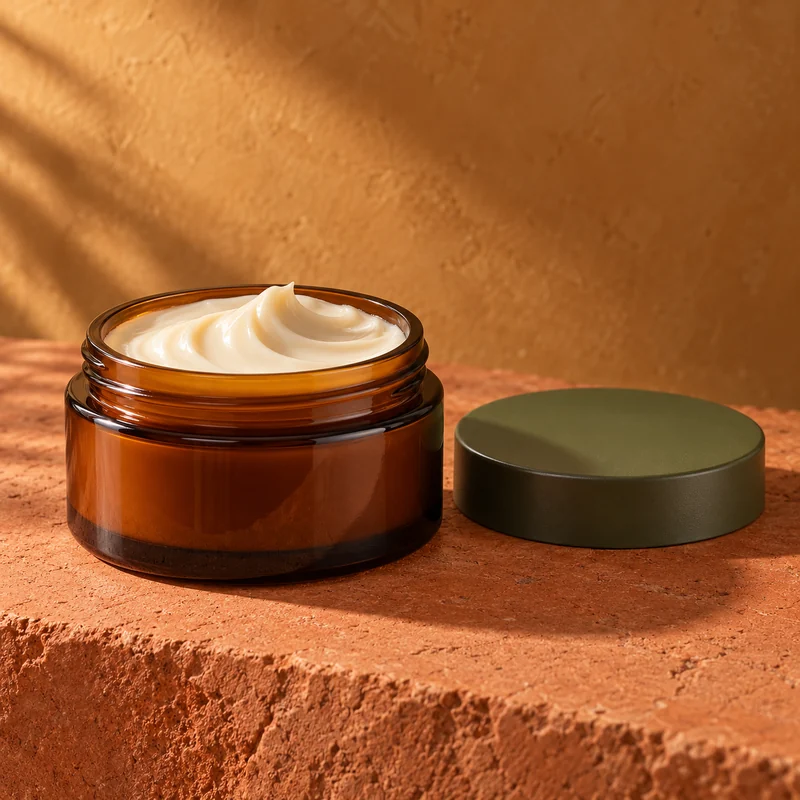
L’Oréal Paris Elvive rinse-out balm mask, 8.5 fl oz
What to check
Similar rinse-out conditioning mask, not the unbranded illustrated jar. This is not a leave-in or overnight product. Compare ingredients, including almond oil and protein, and follow the actual label directions. Repair claims on the listing are manufacturer claims, not our testing.
-
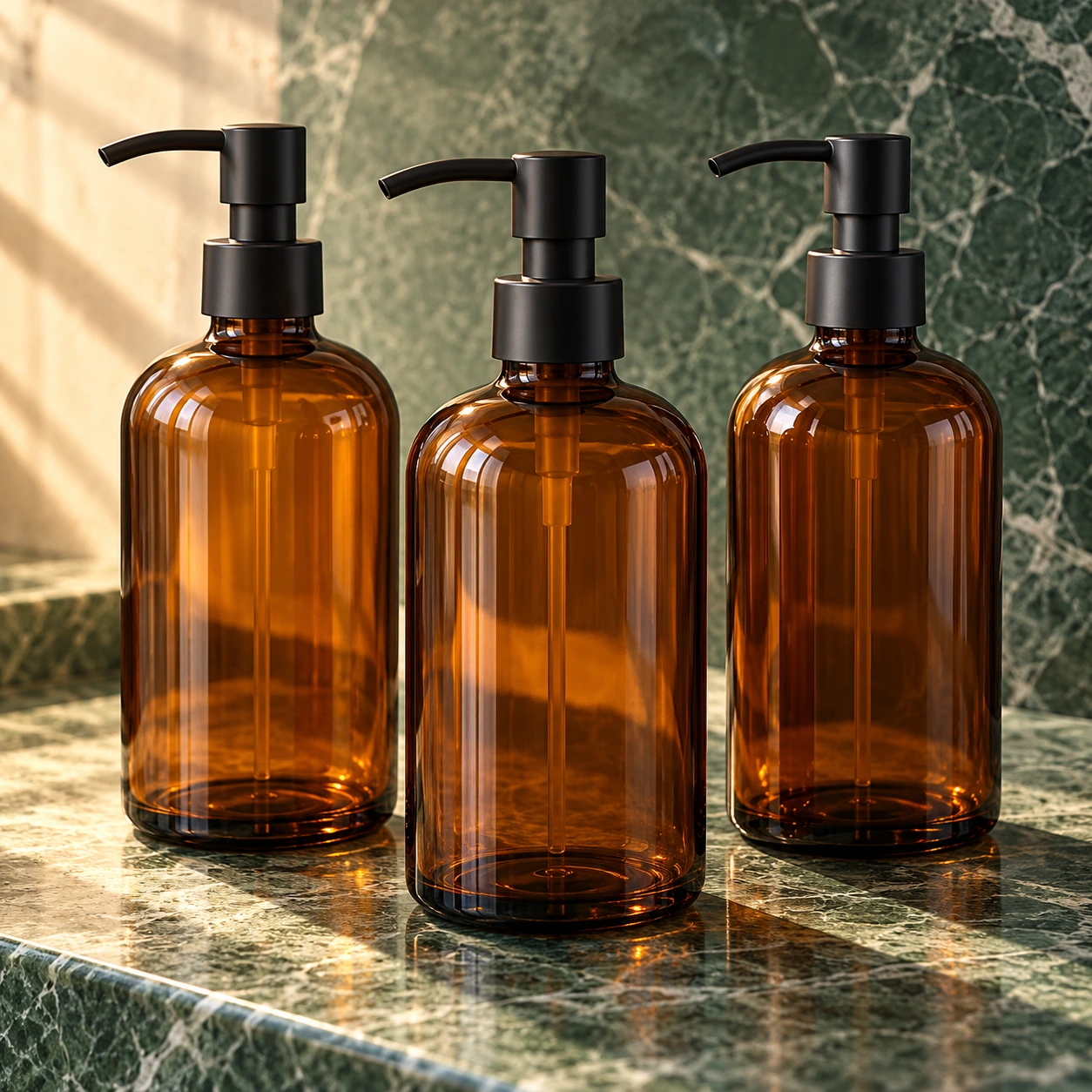
Brighter Barns amber refillable pump bottles, 16 oz, set of 3
What to check
Similar empty refillable bottles, not shampoo or conditioner formulas. This set has three 16 oz PET plastic bottles with printed labels and metal pumps, rather than the unbranded reference containers. Check compatibility with your refill and clean according to the maker’s directions. Some buyers report pump durability issues.
-
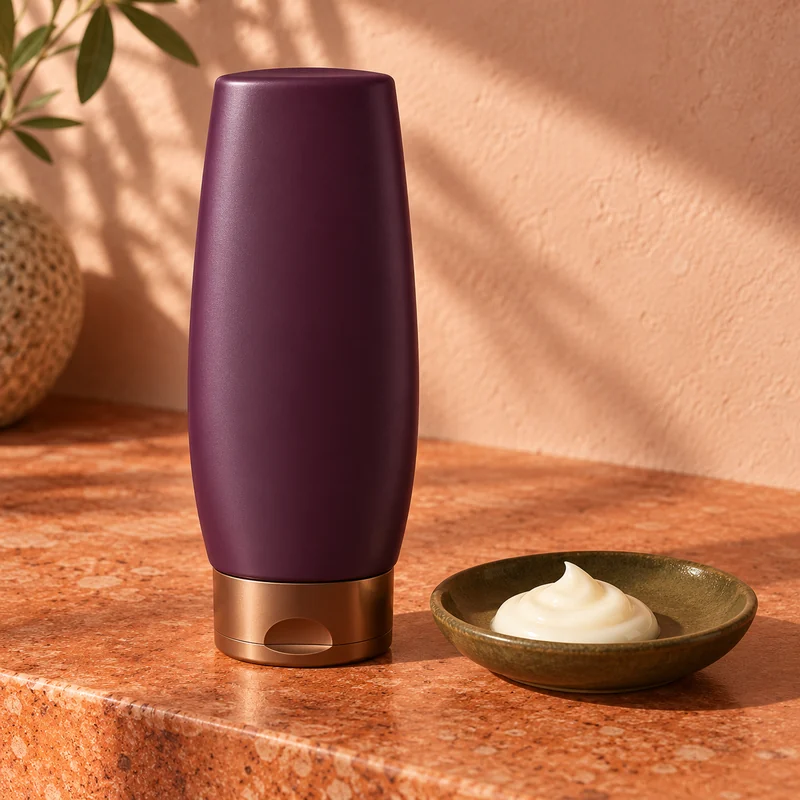
Aussie Miracle Moist conditioner with avocado and jojoba oil, 26.2 fl oz
What to check
Similar everyday rinse-out conditioner, applied in the shower and rinsed. It is not a mask or a leave-in. Moisture wording is the manufacturer’s claim; follow the label’s amount and timing.
-
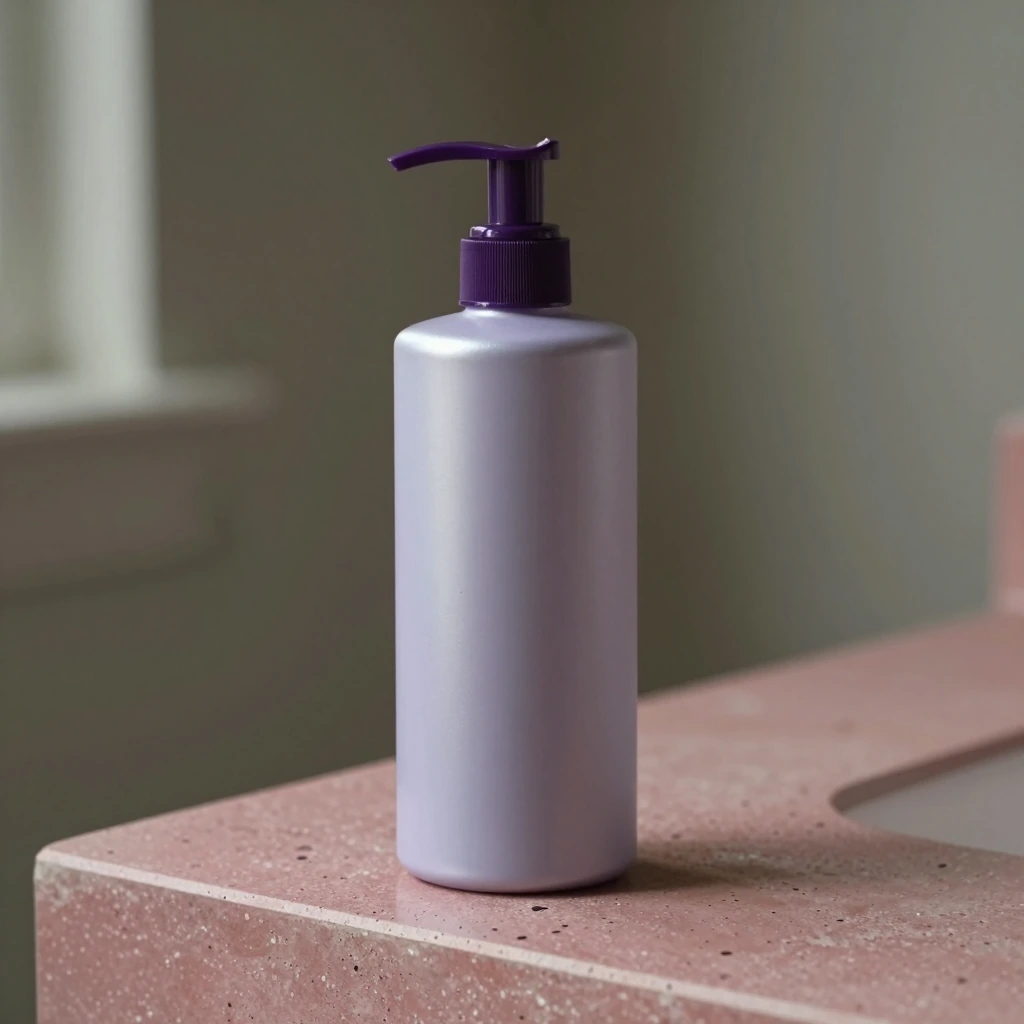
L’Oréal Paris EverPure Silver Care shampoo for gray hair, 8.5 fl oz
What to check
Optional cleansing care for gray or silver hair, not a dye, bleach or a way to create the pictured silver colour. This is the single 8.5 fl oz shampoo, not the conditioner set or the separate purple-toning formula. Follow the current label and compare ingredients and fragrance. Brightening and nourishing descriptions are manufacturer claims, not our tested results.
-
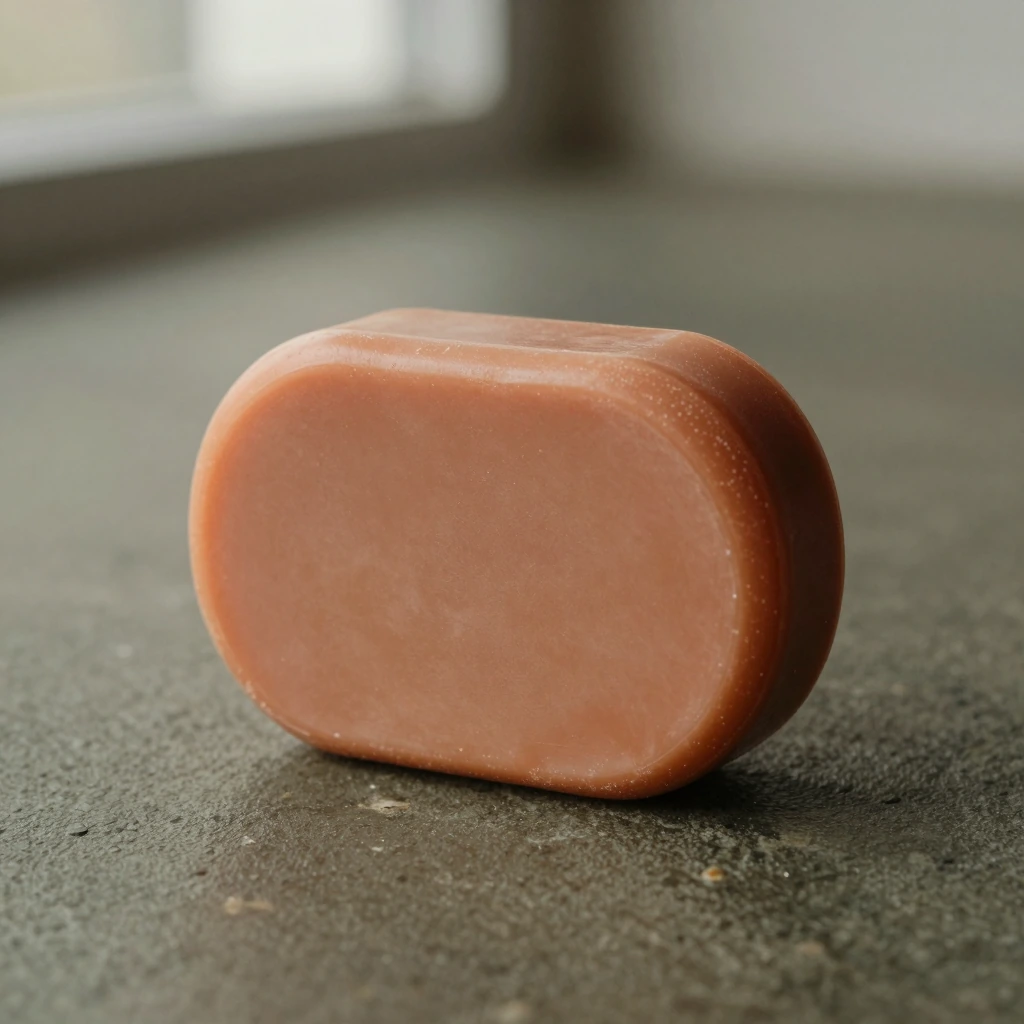
Kitsch rice-water shampoo bar, 3.5 oz
What to check
Similar solid cleansing bar, not proof of the pictured bar’s formula or brand. Follow its current ingredient and washing directions, and allow the bar to drain between uses. The listing markets growth/repair benefits; these are not independently tested or promised here. Reviews differ on dryness, fragrance and how long a bar lasts.
-
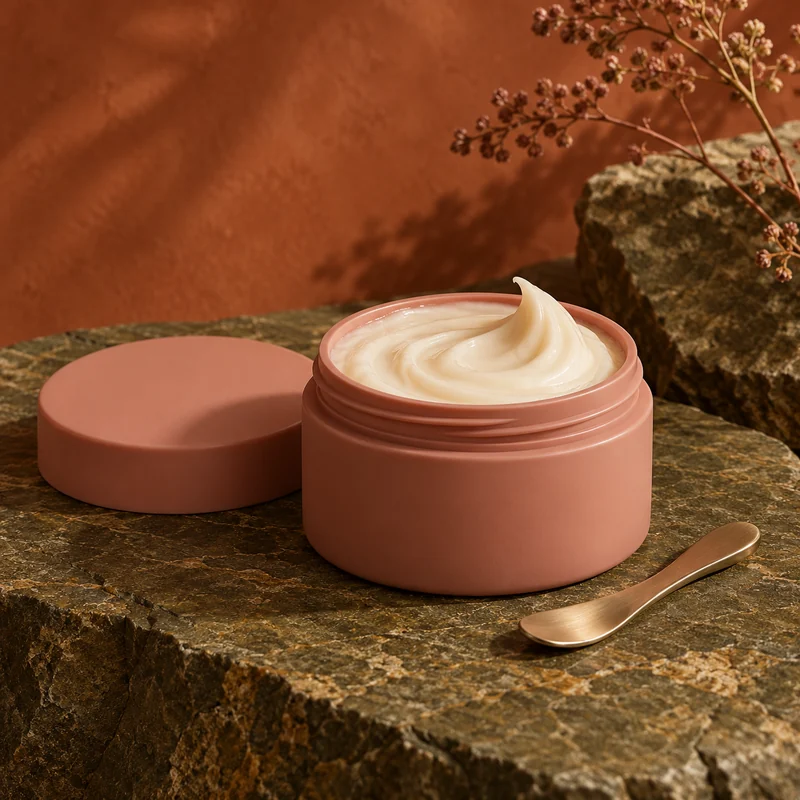
Maui Moisture Curl Quench + Coconut Oil curl smoothie, 12 oz
What to check
Similar leave-in curl cream, not the illustrated jar. Follow the product directions for applying sparingly to damp or dry hair and do not rinse. Compare ingredients and richness with your hair; a cream does not change your natural curl pattern.
-
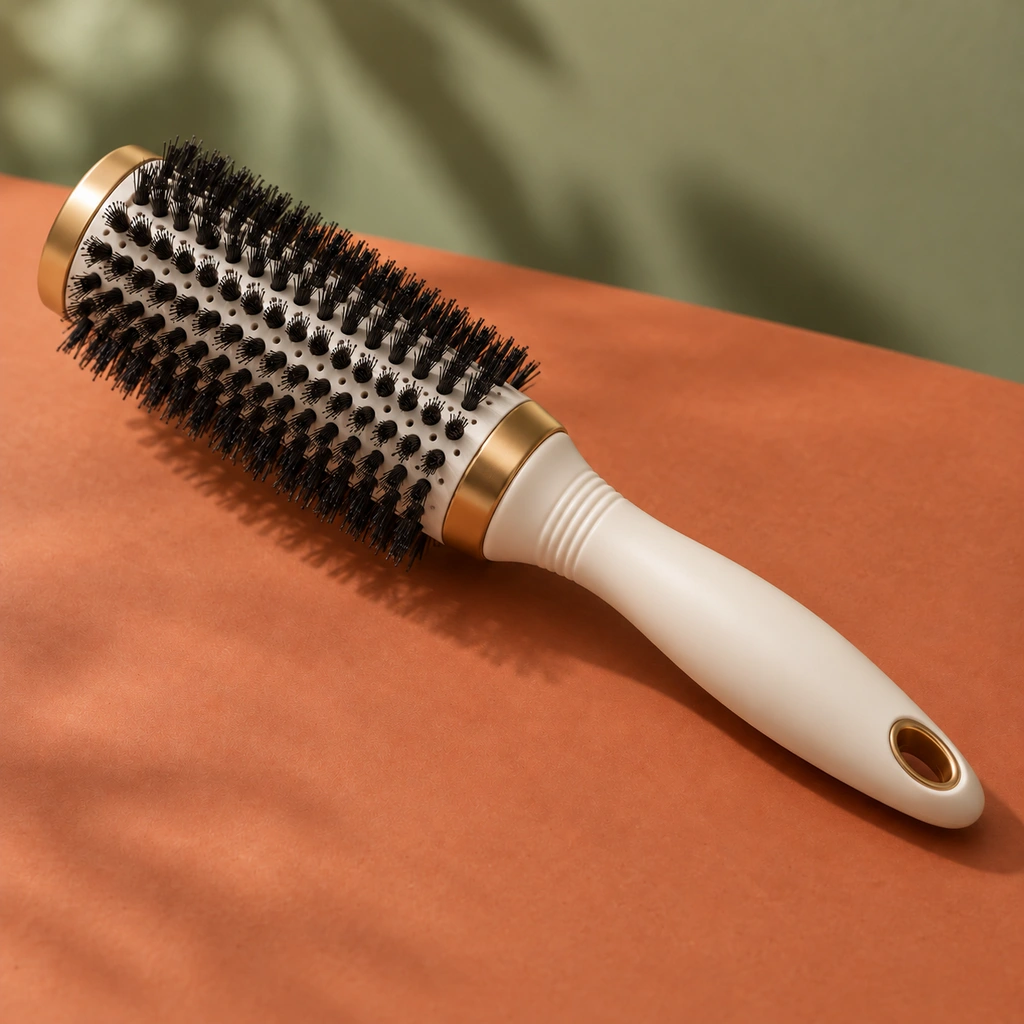
AIMIKE NaturaVol manual round brush, 1.7-inch barrel
What to check
Similar manual vented round brush, used with a separate dryer; it is not an electrical blow-dry brush. The selected barrel is 1.7 inches, about 2.5 inches including bristles, intended for shoulder-length to long hair. The generic illustration also uses white and gold; it does not establish the actual brand or barrel dimensions. Keep a hot barrel away from skin. Review feedback includes some durability concerns; inspect the brush before use.
-
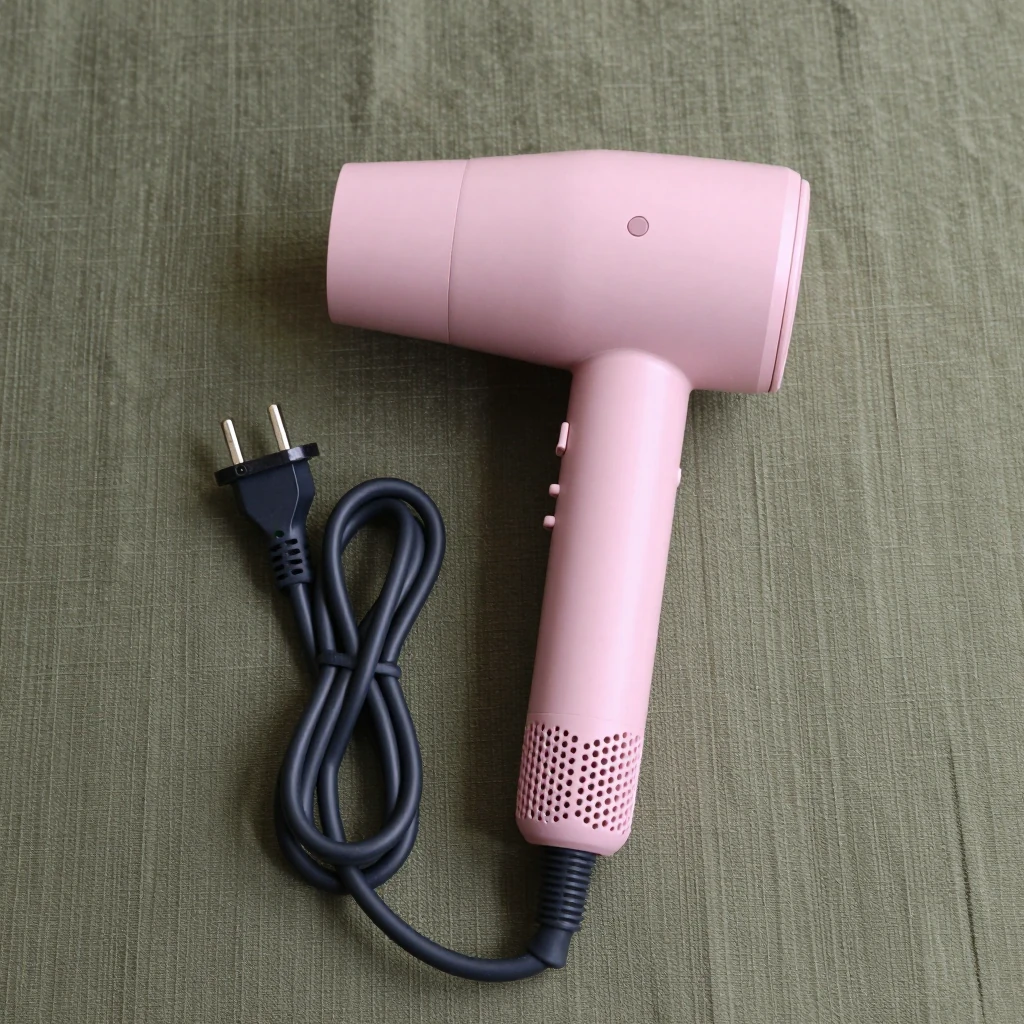
AINA pink dryer with diffuser and concentrator, 110 V edition
What to check
Similar pink dryer supplied with its own concentrator, finger diffuser and comb attachment. The selected listing is the 110 V edition; check the appliance label and your local electrical supply. This is not a dual-voltage claim. The square item illustration shows a pink dryer only; its shape and plug do not establish the actual appliance or electrical compatibility. Included attachments are matched to this dryer, not promised to fit another brand.
Show all 14 pieces
-
Aussie Instant Freeze sculpting gel, three 7 fl oz tubes
What to check
Optional strong-hold gel; this listing is a three-pack of 7 fl oz tubes, not the illustrated jar. Check the finish and hold you want. Neither gel nor cream creates a new natural curl pattern; manufacturer performance claims are not our test results.
-
Clairol Professional Shimmer Lights purple shampoo, 8 fl oz
What to check
Optional purple toning shampoo for suitable blonde, highlighted or silver hair. It targets unwanted yellow tones; it does not bleach dark hair or reproduce the illustrated shade. This is the single 8 fl oz shampoo, not conditioner. Follow its label frequency and timing; compare ingredients and rinse carefully. Review feedback includes dryness and scent concerns.
-
L’Oréal Paris EverPure Bond Repair+ shampoo, 23 fl oz
What to check
Optional colour-care shampoo for colour-treated hair, not a dye or a route to the pictured shade. This is the 23 fl oz single shampoo; the manufacturer describes a multi-step range, but the other products are not included. Follow the actual label and compare ingredients, including fragrance. Bond-repair and strengthening claims are manufacturer claims, not our test results.
-
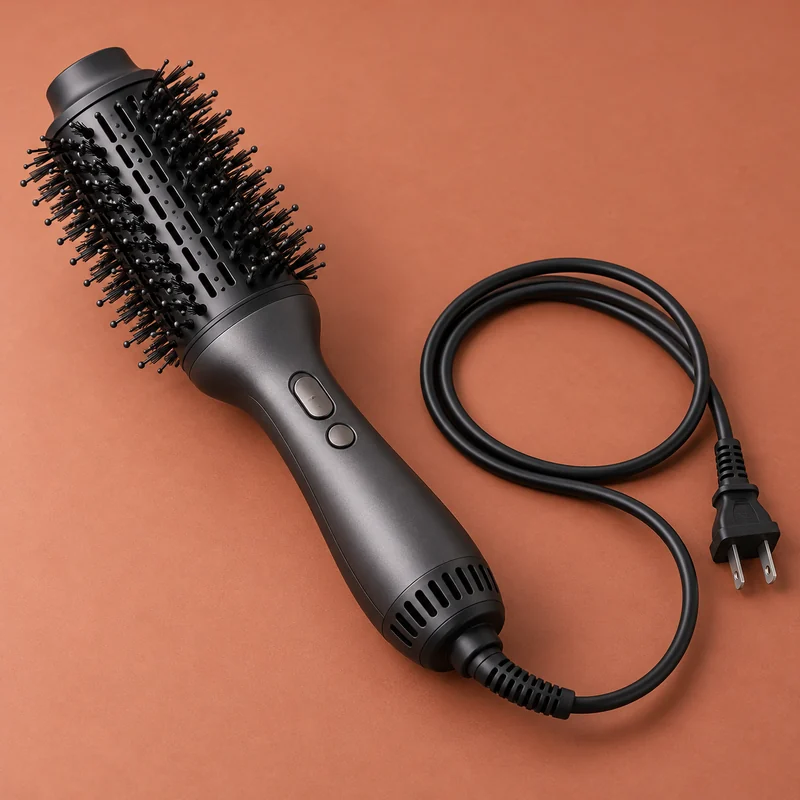
REVLON One-Step Volumizer Plus, black 2.4-inch oval brush
What to check
Similar hot-air brush with a 2.4-inch oval head; it is not a round manual brush or a clamp iron. Listed as 120 V. Compare head size with your length and follow the manufacturer instructions for damp-to-dry use; check local electrical compatibility. Its own head detaches for storage; the complete appliance is linked, not a universal replacement head. Do not fit the pictured unbranded attachment to this appliance.
-
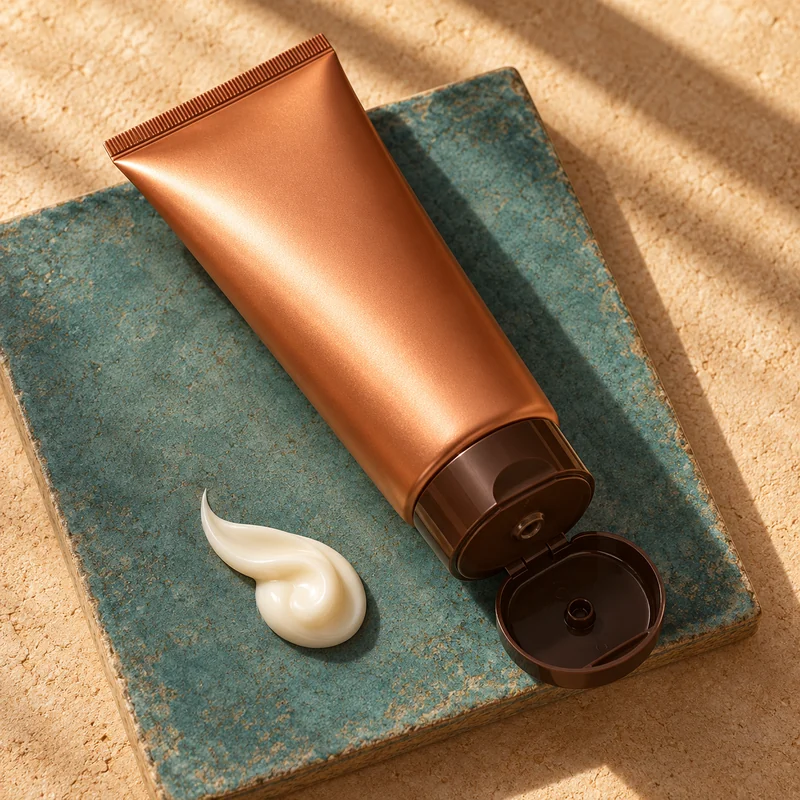
VERB Hydrate Styling Cream
What to check
Optional light-hold cream for a smoother layered finish, used on dry or damp hair per the product directions. The illustrated tube is not VERB packaging. Compare the formula with your hair needs.
-
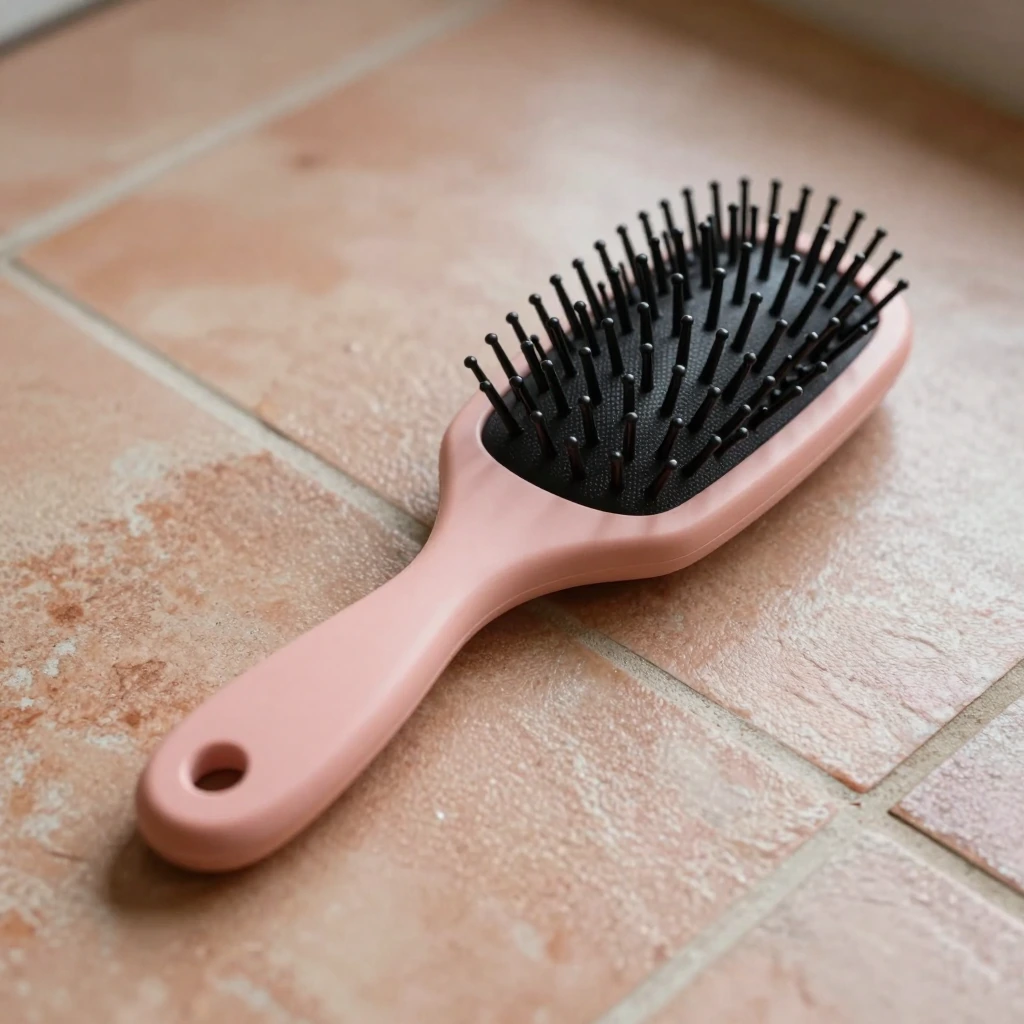
Wet Brush Original Detangler, Pink Frost
What to check
Similar cushioned detangling brush in Pink Frost, with an oval head rather than the broad illustrated paddle. Choose for gentle section-by-section detangling; it is not a heated styling tool or automatically suitable for every wig fiber. Follow the brush and hairpiece directions. Some review feedback concerns durability.
Keep exploring
Related guides
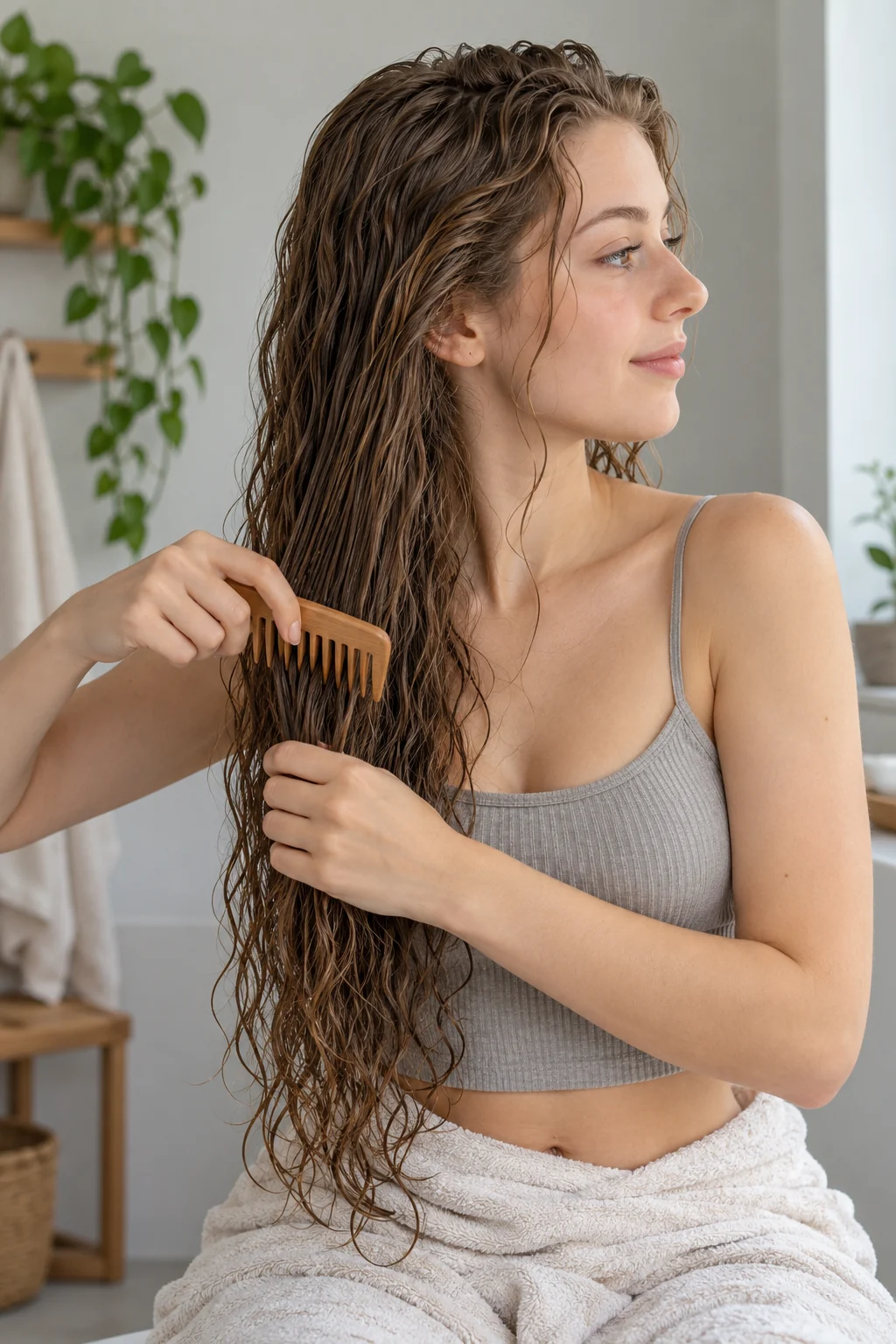 Care & wash day
High porosity hair absorbs water and product quickly and benefits from heavier oils and butters, while low porosity hair resists absorption and needs lightweight, water-based products.
- Care & wash day
Fine hair refers to strand thickness and often needs volume at the roots, while low porosity describes cuticle structure and needs thorough wetting and clarifying to avoid buildup.
Questions
How do I know if my hair is low porosity?
The float test is the simplest method: place a clean, shed hair in a glass of water and wait a few minutes. Low porosity hair floats or sinks very slowly because the cuticle resists water. High porosity hair sinks quickly. You can also observe how long your hair takes to dry after washing — low porosity hair holds water longer and may take four to six hours to air dry completely.
Can I use coconut oil on low porosity hair?
Coconut oil is a heavier oil with larger molecules that tend to sit on top of low porosity hair rather than penetrating the cuticle. Some people with low porosity hair can use it sparingly on the ends, but many find it causes buildup and makes the hair feel greasy. Lighter oils like argan, grapeseed or jojoba may work better, or you may prefer water-based leave-ins and skip oils entirely.
Why does my low porosity hair feel greasy after conditioning?
Low porosity hair does not absorb conditioner as readily as high porosity hair, so product sits on the surface and makes the hair look and feel greasy. Use a lightweight conditioner, apply it only from mid-length to ends, and rinse thoroughly with warm water. You may also need to use less product than you think — start with a small amount and add more only if needed.
Should I use heat when deep conditioning low porosity hair?
Gentle heat from a shower cap or warm towel can help the cuticle lift slightly and allow conditioning ingredients to penetrate, but it is not essential for everyone. If your hair feels soft and manageable with regular conditioning, you do not need to add heat. If your hair feels dry or rough despite conditioning, try heat-assisted deep conditioning once a month and see if it helps. Always use a lightweight mask, not a heavy butter or oil-based treatment.
Generated references, not tested products. How shopping links work.