Hair ideas / Color & root touch-ups
Color-treated hair care routine: cleansing, conditioning and maintenance
Color-treated hair fades faster when exposed to frequent washing, hot water, heat tools and sunlight. Your care routine needs to account for those factors to keep the color looking fresh.
Three rules
Start here.
- Use sulfate-free shampoo and color-safe conditioner to avoid stripping the color, and wash your hair less frequently than you did before coloring it.
- Rinse your hair with cool or lukewarm water instead of hot water, which opens the cuticle and causes color to fade faster.
- Apply a color-protecting treatment or mask once a week to restore moisture and prevent the hair from becoming dry or brittle after coloring.
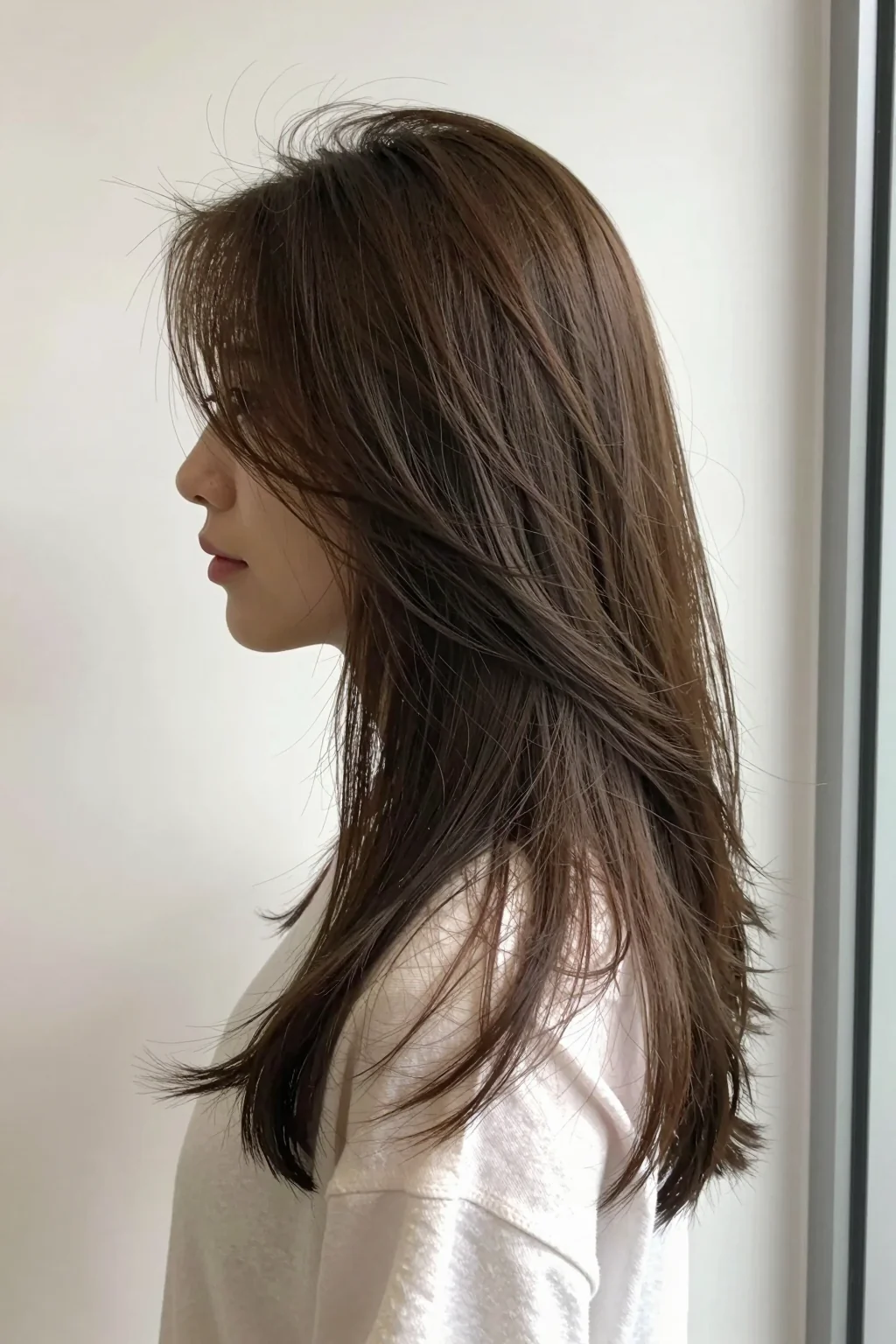
A styling reference, not a product photo.
What defines it
The basics
A color-treated hair care routine is the set of washing, conditioning and styling practices you follow after coloring your hair to maintain the color, prevent fading, and keep the hair healthy. Hair color, whether permanent, semi-permanent or temporary, changes the hair structure and makes it more porous and vulnerable to damage. The routine focuses on using gentler products, washing less frequently, conditioning more often, and protecting the hair from factors that strip or fade color, such as hot water, sulfates, chlorine, UV exposure and heat styling.
What makes a color-treated hair care routine different from a routine for uncolored hair is product choice and frequency. You use sulfate-free shampoo instead of regular shampoo because sulfates strip color. You wash your hair less often because every wash fades the color slightly. You use color-safe conditioners and masks to restore moisture that the coloring process removed. You apply heat protectant before using hot tools because heat opens the cuticle and releases color molecules. These adjustments slow color fading and keep the hair from becoming dry or brittle.
This is not the same as a routine for damaged hair, though color-treated hair is often more fragile. It also differs from a pre-color care routine, which prepares the hair for coloring. A color-treated hair care routine assumes the color is already applied and you are maintaining it.
Repeatable combinations
Formulas to try
- Sulfate-free washing routine
- Wash your hair with a sulfate-free shampoo designed for color-treated hair, focusing on the scalp and letting the lather rinse through the lengths. Rinse with cool or lukewarm water instead of hot water. Follow with a color-safe conditioner from mid-length to ends, leaving it on for one to two minutes before rinsing. Wash your hair two to three times a week instead of daily to reduce color fading.
- Weekly color-protecting mask
- Once a week, replace your regular conditioner with a deep conditioning mask or color-protecting treatment designed for color-treated hair. Apply it to clean, damp hair from mid-length to ends, leave it on for five to ten minutes or as directed on the product label, then rinse with cool water. This restores moisture and helps the color last longer.
- Heat protectant before styling
- Before using a blow dryer, flat iron or curling iron, apply a heat protectant spray or cream to damp or dry hair. Heat opens the cuticle and causes color to fade faster, so protecting the hair reduces color loss. Use the lowest effective heat setting on your tools, and avoid daily heat styling if possible.
- UV and chlorine protection
- If you spend time in the sun, apply a UV-protectant hair spray or wear a hat to shield your hair from sunlight, which fades color. If you swim in chlorinated pools, wet your hair with clean water and apply a leave-in conditioner before entering the pool, or wear a swim cap. Rinse your hair immediately after swimming to remove chlorine, which can strip color and turn light hair greenish.
- Color-refreshing products
- Between salon visits, use a color-depositing shampoo, conditioner or gloss in a shade that matches your hair color to refresh the tone and reduce fading. These products deposit a small amount of color each time you use them, which extends the time between full color services. Follow the product directions and use them once or twice a week, not every wash.
Your needs, your plans
Before you choose
- Washing frequency and color longevity
- The more often you wash color-treated hair, the faster the color fades. If you washed your hair daily before coloring, try stretching washes to every other day or every third day. Use dry shampoo between washes to absorb oil at the roots. If your color is vibrant or high-maintenance, like red or pastel shades, washing less frequently makes a noticeable difference in how long the color lasts.
- Water temperature and cuticle sealing
- Hot water opens the hair cuticle, which allows color molecules to escape and makes the hair look dull. Rinse your hair with cool or lukewarm water to keep the cuticle sealed. If you cannot tolerate cool water for the entire rinse, wash with lukewarm water and finish with a cool rinse to close the cuticle. This also adds shine.
- Product buildup and clarifying
- Color-safe products and leave-in treatments can build up on the hair over time and make it look dull or greasy. Once a month, use a clarifying shampoo designed for color-treated hair to remove buildup without stripping color. Follow with a deep conditioning mask to restore moisture. Avoid regular clarifying shampoos, which contain sulfates and can fade color.
- Color type and care differences
- Permanent color lasts longer and requires less frequent touch-ups than semi-permanent or temporary color. Semi-permanent color fades gradually with each wash and may need refreshing every few weeks. Fashion colors like pink, blue or purple fade faster than natural shades and require more frequent maintenance with color-depositing products. Adjust your routine based on the type and intensity of your color.
From what you own
Build it and repeat it
Start by replacing your regular shampoo with a sulfate-free shampoo designed for color-treated hair. Wash your hair less often than you did before coloring — aim for two to three times a week instead of daily. Use dry shampoo between washes to keep your hair looking fresh. When you wash, use cool or lukewarm water instead of hot water, and follow every wash with a color-safe conditioner applied from mid-length to ends.
Once a week, use a deep conditioning mask or color-protecting treatment instead of your regular conditioner to restore moisture. If you use heat tools, apply a heat protectant before styling and use the lowest effective heat setting. If you spend time outdoors or swim regularly, protect your hair from UV exposure and chlorine with a UV spray or swim cap. After a few weeks, assess how your color is holding and adjust your routine: if it is fading quickly, wash less often or add a color-depositing product to your routine.
Keep exploring
Related guides
 Color & root touch-ups
Gray root touch-up targets new growth at the roots between color appointments, while a color-treated hair care routine maintains the existing color and prevents fading on all of the hair.
 Care & wash day
Curly hair wash day routines focus on detangling, cleansing and styling to preserve curl pattern, while color-treated hair care routines focus on preventing color fade and maintaining moisture after a coloring service.
Questions
How often should I wash color-treated hair?
Wash color-treated hair two to three times a week instead of daily to reduce color fading. Every wash removes some color, so washing less often helps the color last longer. Use dry shampoo between washes to absorb oil at the roots. If your scalp gets very oily or you sweat frequently, you may need to wash more often, but try to stretch washes as much as possible.
Can I use regular shampoo on color-treated hair?
Regular shampoos often contain sulfates, which are harsh detergents that strip color from the hair. Use a sulfate-free shampoo designed for color-treated hair instead. These shampoos clean the hair gently without removing as much color. Check the ingredient list and avoid shampoos with sodium lauryl sulfate or sodium laureth sulfate near the top.
Why does my hair color fade so quickly?
Hair color fades quickly if you wash it too often, use hot water, use shampoos with sulfates, use heat tools without protection, or expose your hair to chlorine or sunlight without protection. To slow fading, wash less often with sulfate-free shampoo, rinse with cool water, use heat protectant before styling, and protect your hair from UV exposure and chlorine. Semi-permanent and fashion colors fade faster than permanent color and may need more frequent refreshing.
Do I need a special conditioner for color-treated hair?
Yes, conditioners designed for color-treated hair are formulated to be gentler and to help seal the cuticle, which keeps color from escaping. They also restore moisture that the coloring process removed. Regular conditioners may not provide the same level of moisture or color protection. Look for conditioners labeled as color-safe or for color-treated hair.
Generated references, not tested products. .