Hair ideas / Tools & products
Flat iron vs curling wand: choosing the right hot tool for your hair type
Deciding between a flat iron and a curling wand usually comes down to whether you want sleek straight styles or bouncy waves, but your hair length and texture matter just as much.
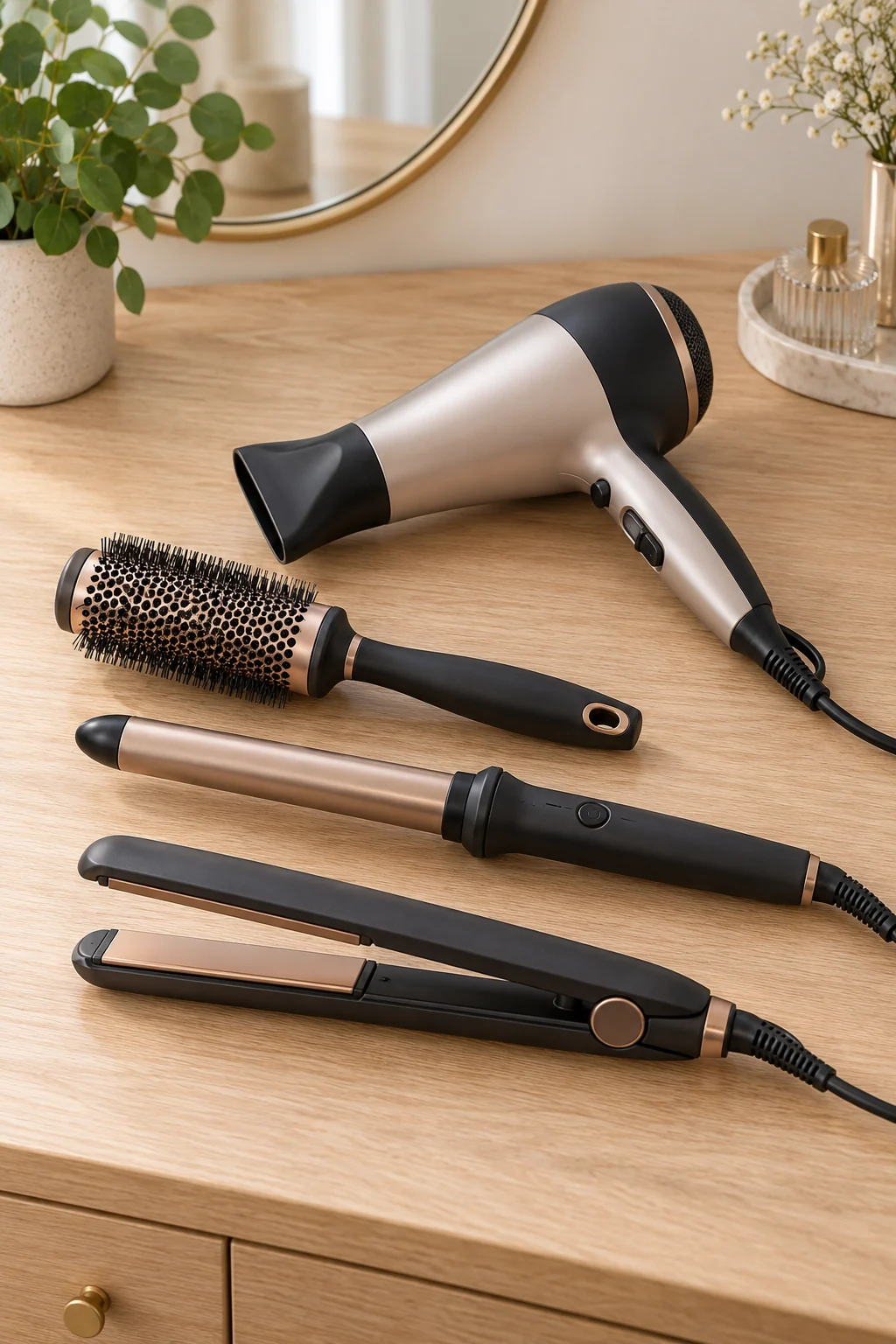
Three rules
Start here.
- Match the barrel or plate size to your hair length, choosing narrower plates or smaller barrels for shorter hair and wider surfaces for long or dense hair.
- Apply a thermal protectant spray to damp or dry hair before every styling session to help minimize moisture loss and surface cuticle degradation.
- Adjust your tool's temperature dial downward for fine or chemically treated hair and upward only for thick or resistant hair.
A styling reference, not a product photo.
What defines it
The basics
A flat iron uses two heated plates to press and smooth hair strands into a straight shape or bend them into waves depending on your wrist movement. A curling wand uses a single tapered or straight barrel without a clamp to wrap hair around for curls that look less uniform and more natural. Both tools rely on controlled thermal energy to temporarily break hydrogen bonds in the hair shaft, allowing you to reshape your strands until the next wash.
The choice between the two often comes down to versatility versus specialization. A flat iron can straighten, bend, wave, and curl if you master the wrist technique, but it requires a steeper learning curve to avoid sharp creases. A curling wand focuses on one primary result — textured curls and waves — but achieves that result faster and with more consistency if your goal is volume and movement rather than sleekness.
Selecting the right tool also depends heavily on your natural hair type, length, and daily schedule. Fine or fragile hair demands precise temperature control on either device to help prevent heat damage, while thick or coarse hair needs wider plates or larger barrels to process sections efficiently. Because hot tools represent a significant investment in both cost and hair health, comparing their mechanics helps you choose the single instrument that fits your actual styling habits rather than aspirational looks.
Repeatable combinations
Formulas to try
- Thermal protectant application
- Spray a lightweight heat protectant evenly across dry or slightly damp hair from mid-length to ends before turning on any hot tool. Comb through to distribute the product uniformly. Give the spray a minute to dry before the hot plates or barrel touch your strands to help prevent steam damage and boiling moisture within the hair shaft.
- Flat iron wave technique
- Take a one-inch section of hair, clamp the flat iron near the roots, and rotate your wrist a half-turn while gliding the tool downward slowly. Keep a steady, moderate speed so the heat sets the curve evenly. Practice this motion on an unheated tool first to build muscle memory and avoid awkward kinks at the top of the wave.
- Curling wand wrapping method
- Hold the curling wand pointing downward with your dominant hand, and use your other hand to wrap a one-inch section of hair around the barrel, starting from the roots and stopping an inch before the ends. Wear a heat-resistant styling glove on your wrapping hand to protect your fingers from accidental contact with the bare barrel.
- Temperature control check
- Start with your tool set below 350 degrees Fahrenheit, especially if your hair is fine, colored, or prone to breakage. Only increase the heat if your hair fails to hold a wave or straight line at the lower setting. Avoid running any tool at its maximum temperature unless you have coarse, thick hair that resists styling at moderate heat.
- Cooling and setting phase
- Allow freshly styled curls or straight sections to cool completely without touching them immediately after running the tool through. Warm hair remains malleable and will drop its shape if you pull or finger-comb it too soon. Once the hair cools to room temperature, use a wide-tooth comb or your fingers to break up the shape gently.
Your needs, your plans
Before you buy
- Hair length limitations
- Very short hair, such as a pixie cut or short bob, is difficult to wrap around a standard curling wand safely because the barrel is too long for the short sections. A flat iron with narrow plates or a mini straightener works better for adding slight bends or smoothing short hair. Conversely, very long hair takes excessive time to curl with a flat iron, making a larger-barrel curling wand much more practical.
- Learning curve and physical coordination
- Using a flat iron to create curls requires a specific wrist rotation and pulling angle that takes practice to master without getting hand cramps or accidental skin burns. A curling wand eliminates the clamp mechanism, which makes wrapping easier, but you must work near your face and neck with an exposed hot barrel, requiring careful hand placement.
- Maintenance and plate cleanliness
- Styling products, oils, and hairsprays build up on hot tool plates and barrels over time, creating a sticky residue that snags hair and distributes heat unevenly. Wipe down your flat iron or curling wand with a microfiber cloth and a mild rubbing alcohol solution once the tool is completely cool and unplugged to keep the surface smooth.
- Storage and cord management
- Never wrap the electrical cord tightly around a warm or hot styling tool, as this strains the internal wiring and degrades the rubber insulation over time. Store your tool in a heat-resistant pouch or on a dedicated hook only after it has cooled down completely to room temperature, keeping it away from moisture and direct sunlight.
From what you own
Build it and repeat it
Start by auditing your actual daily styling habits rather than the hairstyles you hope to wear on special occasions. If you spend most mornings rushing to achieve a smooth, frizz-reduced look for work or school, a flat iron provides the smoothing power you need while retaining the ability to add loose bends for weekends. If your natural hair already has smooth texture or neat waves and you primarily want voluminous, piecey curls for casual outings, a curling wand delivers that result with fewer steps and less risk of flattening your roots.
Next, evaluate your skill level and hand dexterity with hot tools. If you find mechanical clamps frustrating or tend to leave clamp creases in your hair, a clamp-free curling wand simplifies the curling process significantly. If you prefer a minimalist bathroom setup where one single device handles both straightening and curling tasks without clutter, choose a flat iron with rounded, beveled edges. Once you select your tool based on these practical factors, commit to using a reliable heat protectant and a sensible temperature setting to help preserve your hair's long-term health.
Shop the pieces
6 tools & products pieces
Links open similar items, not the pictured ones.
-
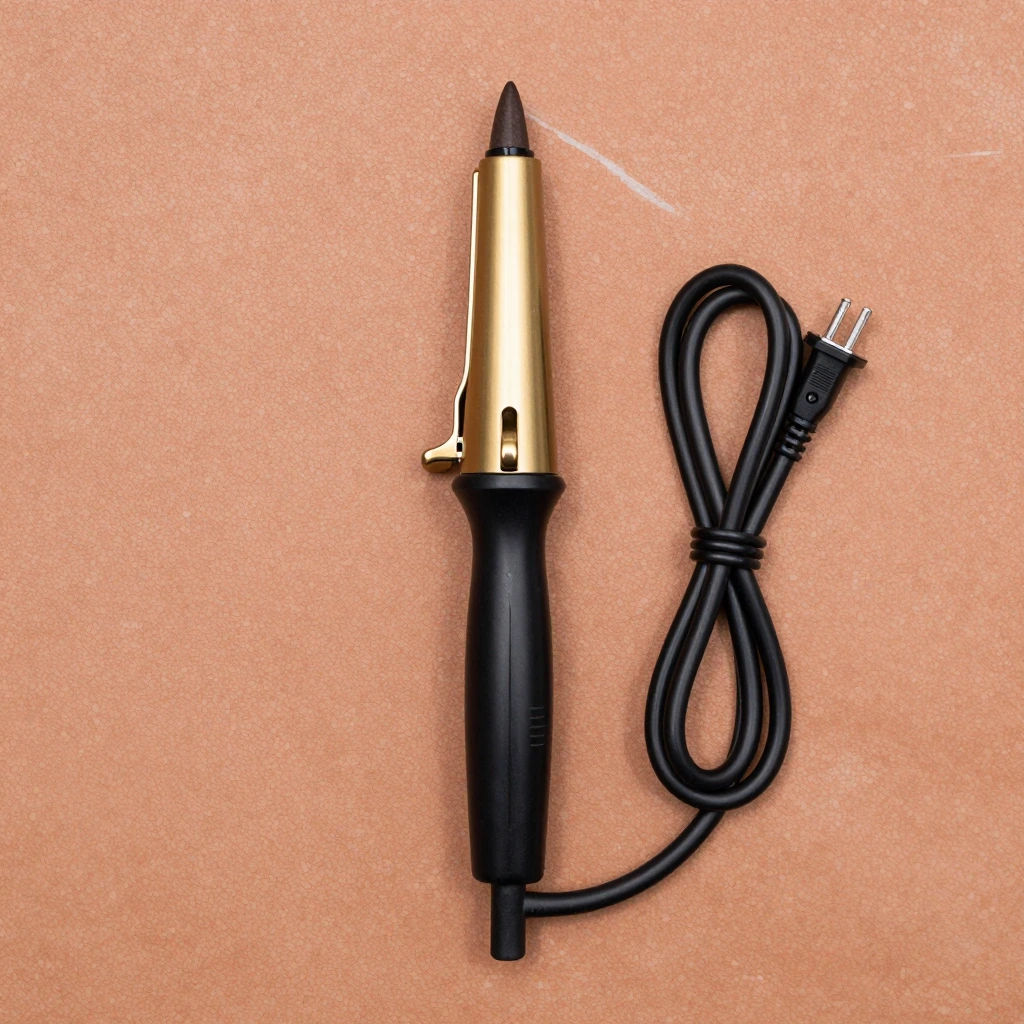
Hot Tools Pro Artist Black Gold 1-inch clamp curling iron
What to check
Similar clamp-iron mechanism; black/gold rather than the burgundy illustration. The linked barrel is 1 inch, so it is not an exact size match for every curl reference. Check barrel size, voltage and the manufacturer instructions before use; no heat setting or result is prescribed here.
-
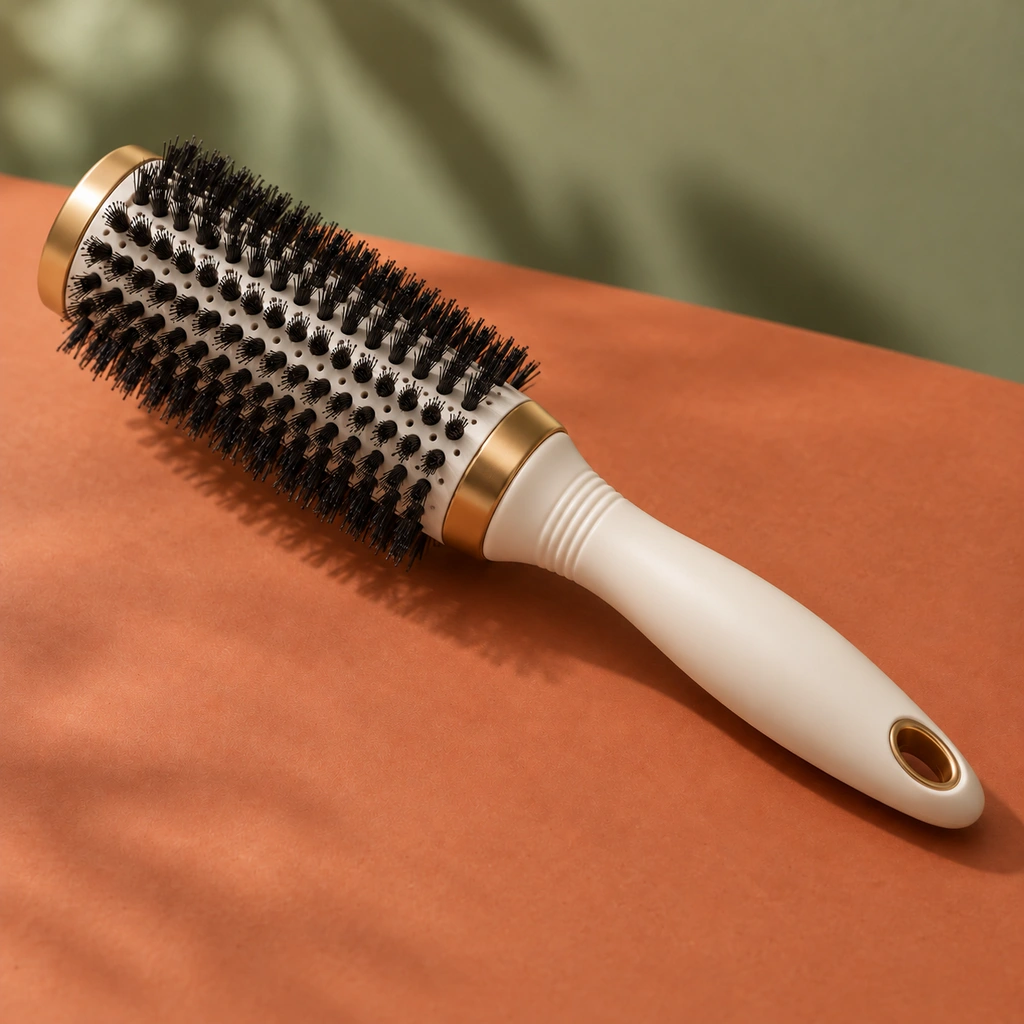
AIMIKE NaturaVol manual round brush, 1.7-inch barrel
What to check
Similar manual vented round brush, used with a separate dryer; it is not an electrical blow-dry brush. The selected barrel is 1.7 inches, about 2.5 inches including bristles, intended for shoulder-length to long hair. The generic illustration also uses white and gold; it does not establish the actual brand or barrel dimensions. Keep a hot barrel away from skin. Review feedback includes some durability concerns; inspect the brush before use.
-
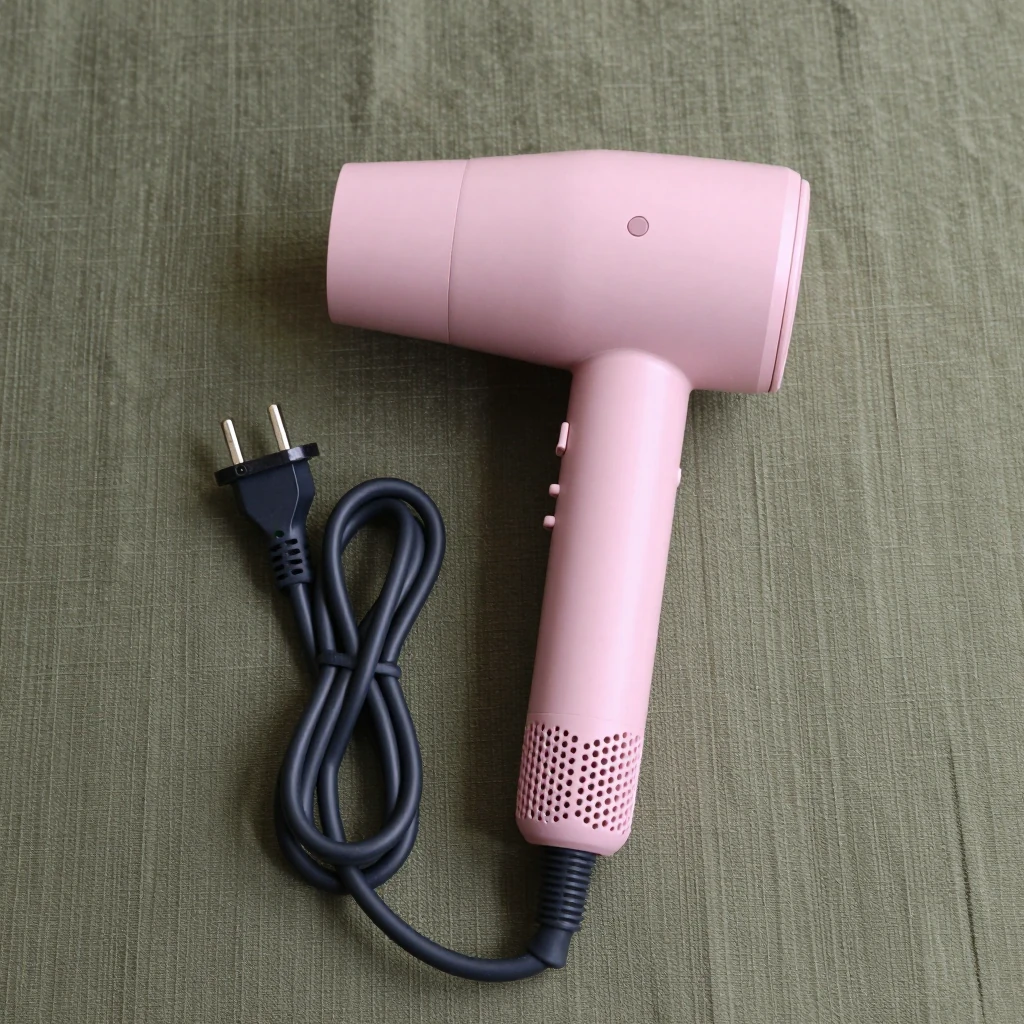
AINA pink dryer with diffuser and concentrator, 110 V edition
What to check
Similar pink dryer supplied with its own concentrator, finger diffuser and comb attachment. The selected listing is the 110 V edition; check the appliance label and your local electrical supply. This is not a dual-voltage claim. The square item illustration shows a pink dryer only; its shape and plug do not establish the actual appliance or electrical compatibility. Included attachments are matched to this dryer, not promised to fit another brand.
-
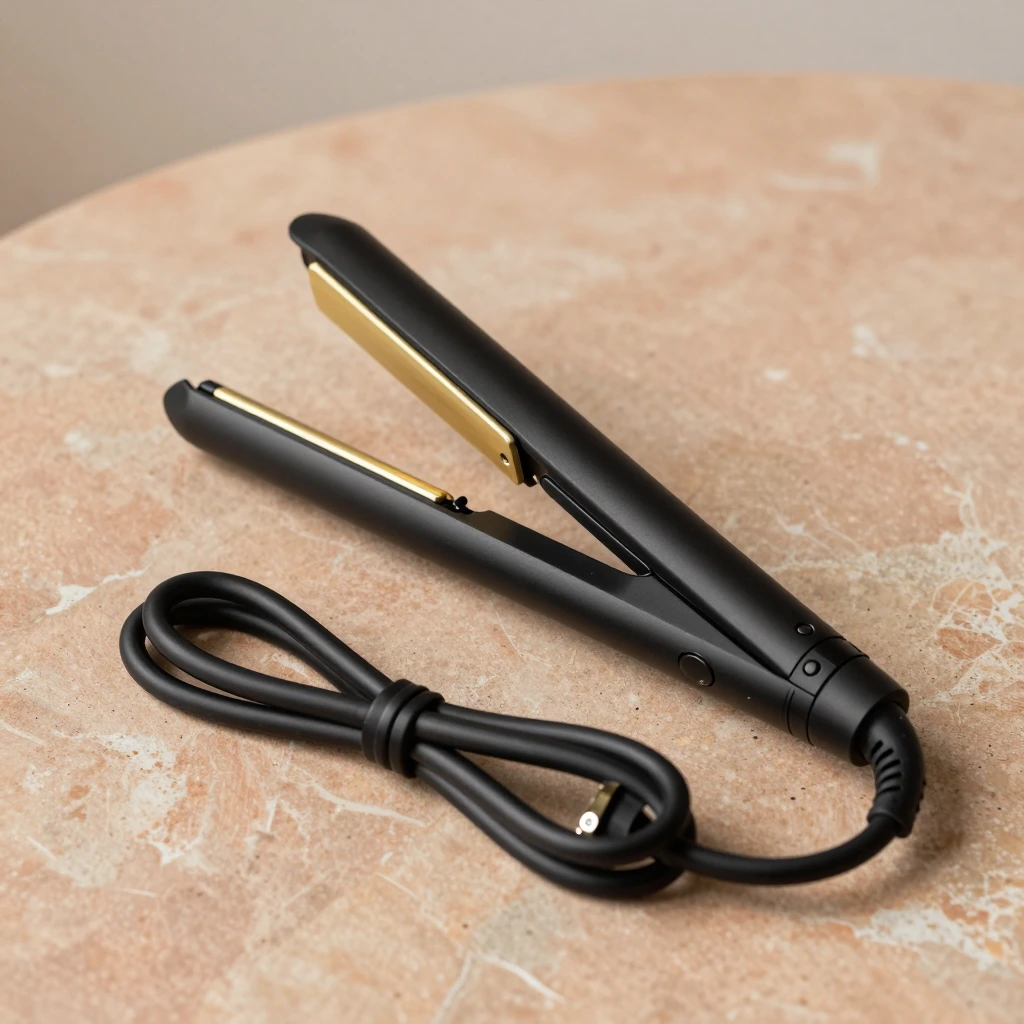
Remington Pearl Pro ceramic flat iron, 1 inch
What to check
Similar black-and-white flat iron with one-inch plates; it is not the unbranded black-and-gold item illustration or the burgundy tool in some scenes. Listing identifies 120 V. Use only as the current instructions allow, on dry hair, and check your electrical supply. Some reviews report durability issues; no heat-damage prevention or result guarantee is made.
-
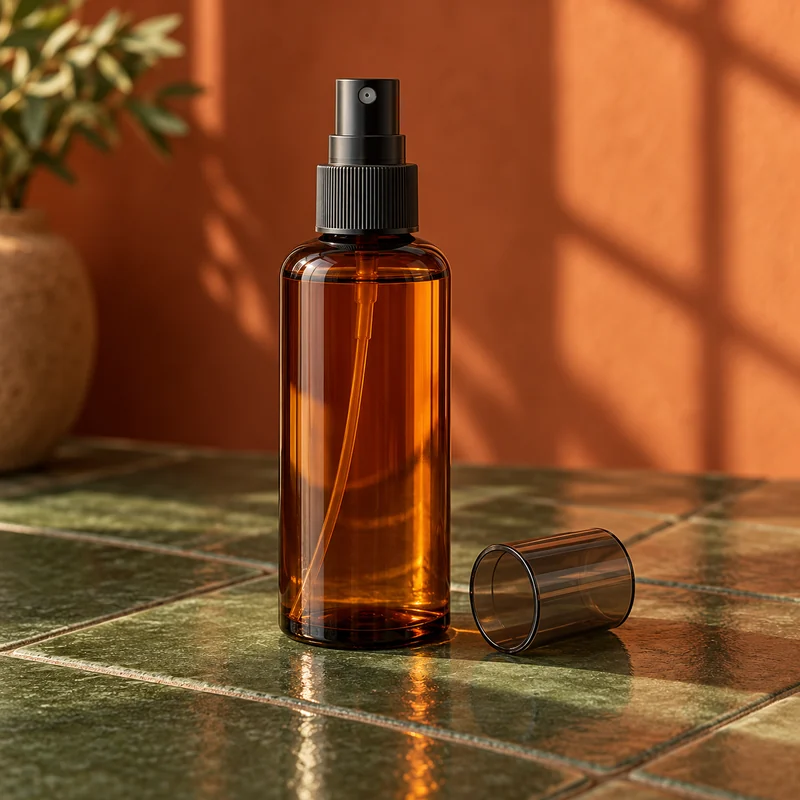
CHI 44 Iron Guard thermal protection spray, 8 fl oz
What to check
Similar heat-protection spray, not the unbranded amber illustrated bottle. Follow the current bottle directions before using a heated tool, and allow hair to reach the dryness required by that tool. Fragrance and finish may not suit everyone; review feedback on stickiness and dryness is mixed. Protection claims do not make high heat harmless.
-
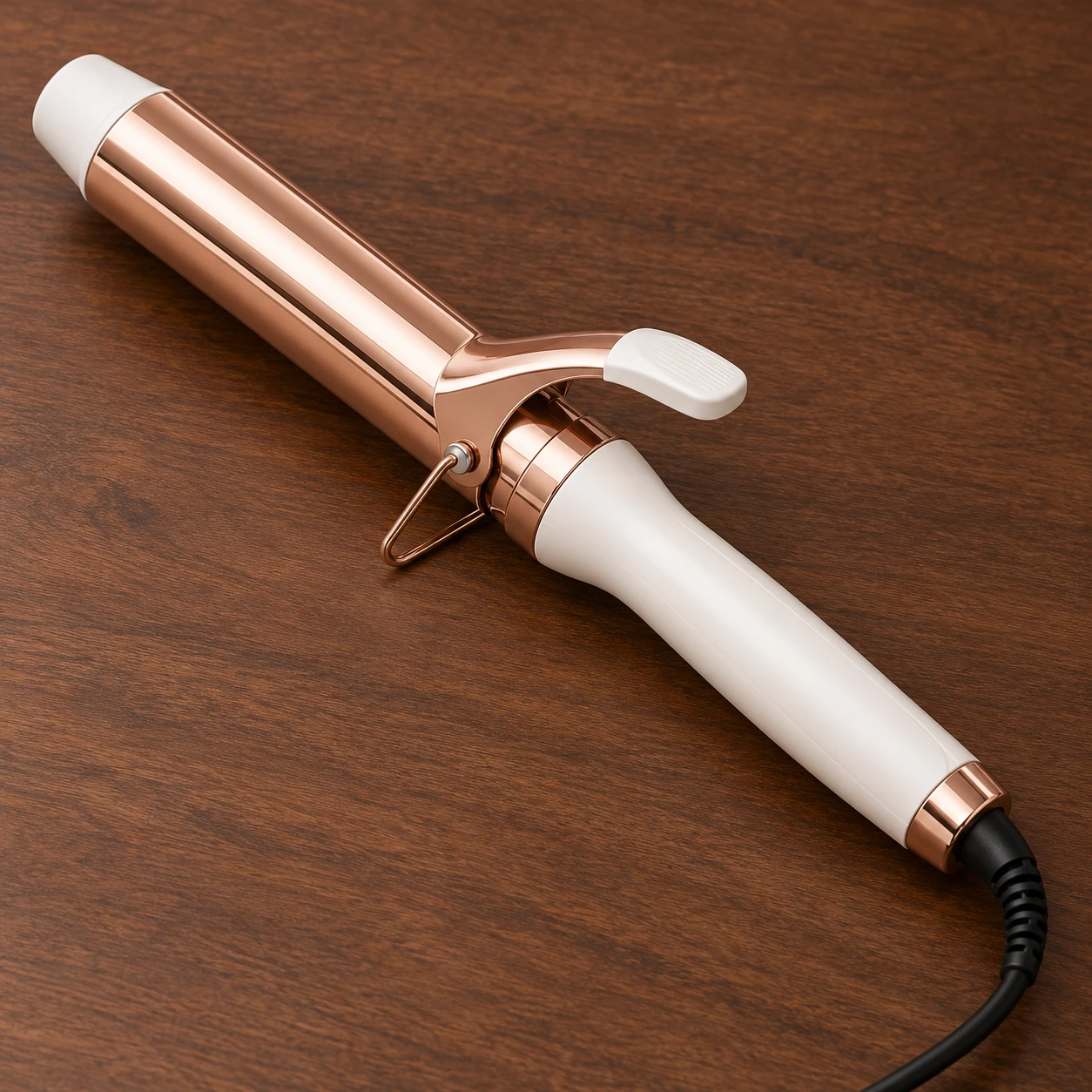
Conair Double Ceramic 1½-inch clamp curling iron, White/Rose Gold
What to check
Similar large-barrel clamp iron, not the illustrated black/gold tool. White/rose-gold finish, 1½-inch standard barrel and 30 heat settings; check the actual voltage, instructions and temperature for your hair. Use only as directed on dry hair. Recent reviews mention accidentally pressing the on/off controls and heat-control concerns; no styling result is guaranteed.
Keep exploring
Related guides
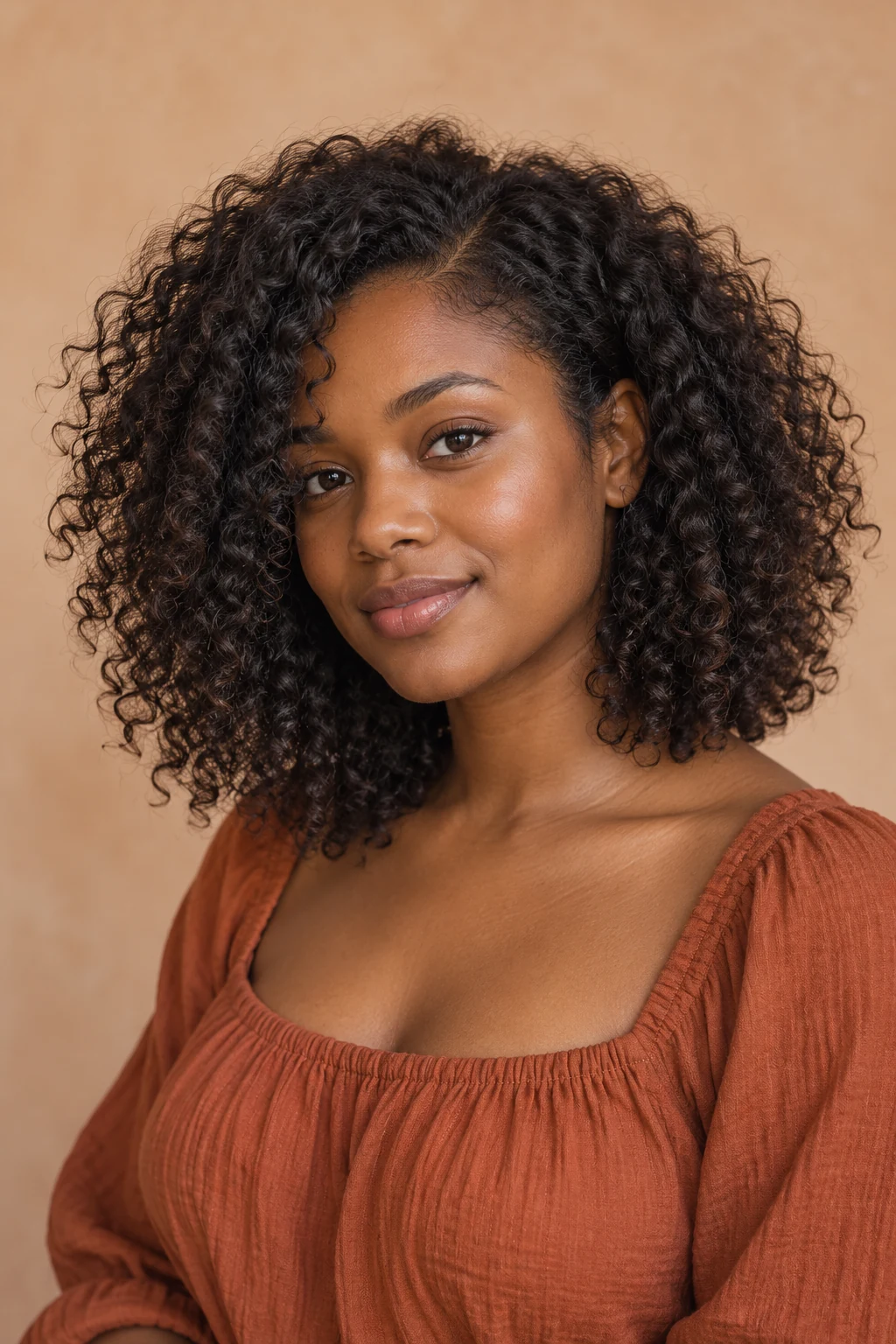 Everyday styles
A flat iron and curling wand help you build the foundation for finished hairstyles like sleek bobs, polished ponytails, or textured beach waves.
 Care & wash day
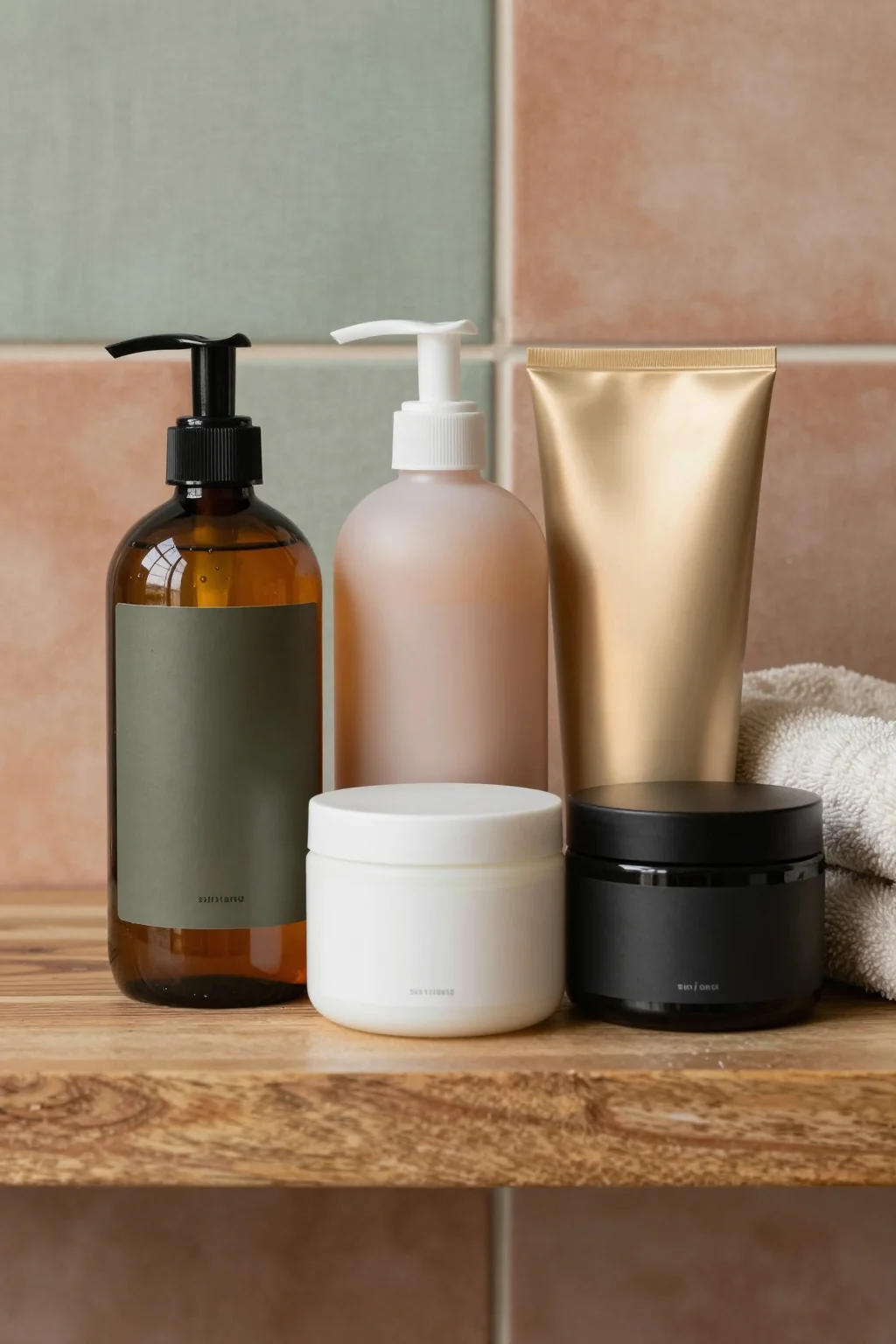
Frequent use of hot styling tools often requires adjustments to your washing and conditioning routine to manage heat-induced dryness and surface damage.
 Clips & accessories
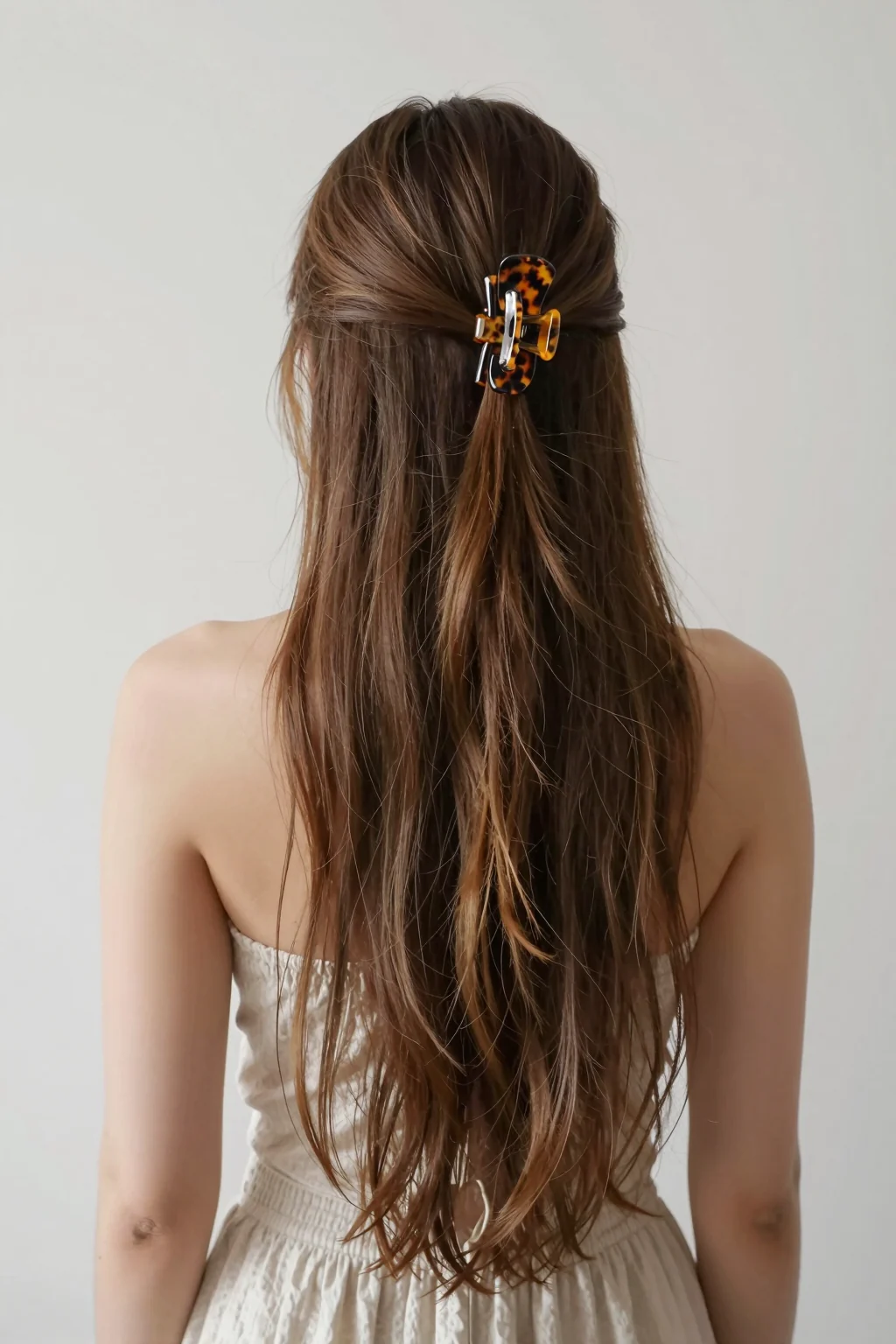
Pairing your hot tool with heat-resistant mats, sectioning clips, and styling gloves makes the straightening or curling process safer and more organized.
Questions
Can I use a flat iron as a curling wand?
Yes, you can curl hair with a flat iron by clamping a section near the roots and rotating the tool while pulling downward. However, it takes more practice than using a dedicated curling wand and requires smooth, beveled plate edges to avoid catching or crimping the hair.
Which tool causes less damage to hair?
Neither tool is inherently safer than the other; damage depends on temperature settings, frequency of use, and whether you apply a heat protectant. Using either device at excessively high heat without protection may damage the hair cuticle over time.
What size flat iron or curling wand should I buy?
For flat irons, one-inch plates offer the best versatility for both straightening and creating loose waves on medium-length hair. For curling wands, a one-inch barrel creates classic, long-lasting curls on most hair types, while a tapered wand gives you tighter curls at the ends and looser waves near the roots.
Do I need to spend a lot of money on a hot tool?
Price does not always guarantee better hair health. Look for tools with adjustable digital temperature control and ceramic plates rather than cheap metal plates that may heat unevenly and scorch hair.
Generated references, not tested products. How shopping links work.