Hair ideas / Tools & products
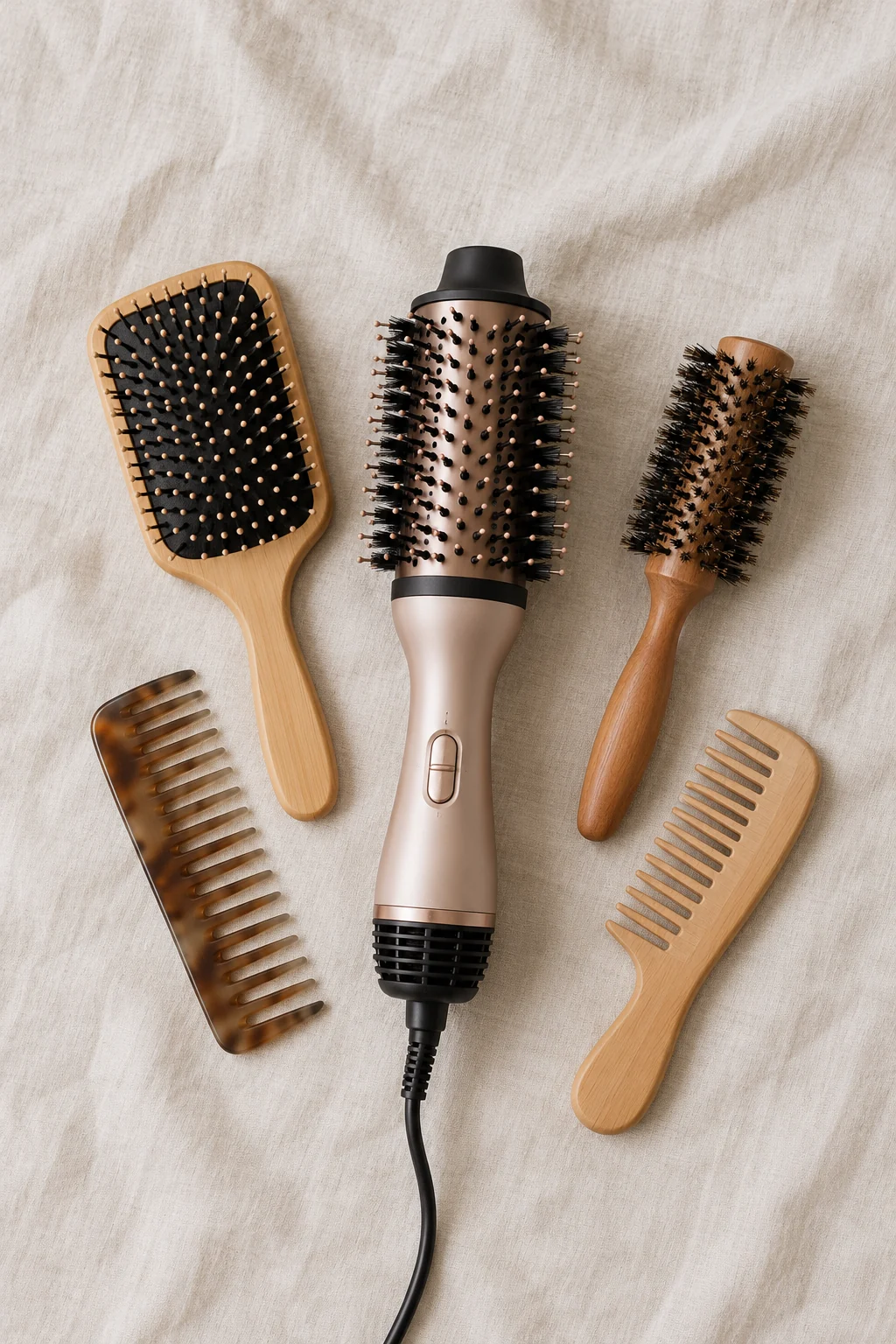
Types of hair brushes: paddle, round, detangling, boar and comb
Using the wrong brush for your hair type causes unnecessary friction, snapping, and frizz. Each tool serves a specific mechanical purpose based on bristle material, spacing, and barrel shape.
Three rules
Start here.
- Choose wide-tooth combs or flexible-pin detangling brushes exclusively for wet hair, reserving rigid bristle brushes and heated round brushes for completely dry hair to prevent mechanical snapping.
- Match your brush's bristle stiffness and density to your hair density, using flexible nylon pins for thick, coarse hair and fine boar bristles or cushioned pads for fine or thinning hair.
- Clean your brushes and combs every week by removing trapped hair, soaking them in warm soapy water, and rinsing away accumulated sebum, dust, and styling product residue.
A styling reference, not a product photo.
What defines it
The basics
Hair brushes and combs are precision styling tools, not universal instruments. The structure of your hair shaft, whether your hair is wet or dry, and the style you want to achieve dictate which tool belongs in your hand. Using a stiff, closely spaced bristle brush on wet hair, for example, creates excessive tension that stretches the hair fiber past its elastic limit, resulting in breakage and split ends.
The design of a hair brush revolves around three main components: the base or cushion, the bristle material, and the spacing between bristles. Flexible plastic pins bend when they encounter a knot, while rigid boar bristles distribute natural sebum along the shaft. Wide-tooth combs have zero tension-producing pull, making them ideal for untangling wet or textured hair without disrupting curl patterns. Understanding these mechanics stops you from fighting your own hair texture during daily grooming.
This guide breaks down the five essential hair tools: the paddle brush, the round brush, the detangling brush, the boar bristle brush, and the wide-tooth comb. Each tool solves a distinct problem, whether it is smoothing a blowout, defining waves, or clearing knots from fragile wet strands. Matching the tool to your hair length, thickness, and state of moisture transforms your daily routine from a frustrating tug-of-war into an efficient process.
Repeatable combinations
Formulas to try
- Wet detangling with a wide-tooth comb
- Start detangling from the ends of your hair and work your way up toward the scalp in small, deliberate sections. Apply a slip-enhancing conditioner or detangling spray before passing the wide-tooth comb through wet hair. Never pull a brush forcefully from roots to ends on wet hair, as moisture leaves the hair cuticle swollen and highly vulnerable to friction damage and breakage.
- Blowout smoothing with a round brush
- Select a ceramic or thermal round brush with a diameter that matches your desired curl or smoothing level—larger barrels create loose volume, while smaller barrels create tighter bends. Section dry or 80-percent dry hair, place the brush at the roots, and follow the brush down the shaft with a blow dryer nozzle held six inches away. Keep tension steady as you rotate the barrel downward to help smooth the hair and impart a polished, lower-frizz finish.
- Daily maintenance with a paddle brush
- Use a large, flat paddle brush with flexible cushioned pins to smooth out dry hair, flatten cowlicks, and distribute natural oils before bed or after waking up. Move the paddle brush smoothly from roots to ends without digging the hard tips into your scalp. This motion helps smooth the hair surface and reduce static electricity, especially when paired with natural rubber cushions and pins.
- Polishing with a boar bristle brush
- Take a pure or mixed boar bristle brush and stroke through completely dry hair to pick up and distribute natural sebum from your scalp down to the dry mid-lengths and ends. This technique imparts natural shine and conditions dry ends without requiring heavy liquid oils or serums. Use gentle, sweeping strokes across the surface of the hair rather than aggressive scraping against the scalp.
- Quick detangling with flexible-pin brushes
- Reach for a specialized plastic-pin detangling brush with staggered bristle heights when dealing with stubborn knots in dry or damp hair. The flexible rows bend around tangles rather than tearing straight through them, reducing the sharp pulling sensation on sensitive scalps. Use short, light strokes at the outer edges of the knot before moving closer to the base.
Your needs, your plans
Before you buy
- Brush hygiene and bacterial growth
- Hair brushes accumulate dead skin cells, sebum, product buildup, and lint within days of regular use. If you do not clean your brushes weekly, you transfer this debris back onto freshly washed hair, making it look dull and greasy faster. Remove hair strands with a comb or cleaning tool, wash the base with clarifying shampoo or dish soap, and let the brush dry completely face down on a towel to prevent water from accumulating inside the cushion air hole.
- Brush cushion wear and tear
- Pneumatic cushion brushes rely on a small air hole in the rubber pad to let air escape and enter when the bristles press down. If this hole gets blocked or if the rubber perishes over time, the cushion loses its spring, and missing bristles can expose sharp metal or plastic edges that scratch your scalp. Inspect your brushes every few months and discard them when the cushion cracks, the handle loosens, or bristles begin falling out in clusters.
- Scalp sensitivity and bristle firmness
- Pressing hard bristled brushes against a tender or sensitive scalp causes micro-abrasions and irritation. If your scalp feels sore after brushing, switch to a brush with rounded ball-tip pins or a softer cushion pad. Avoid metal-pin brushes unless you have very thick, coarse hair that resists standard bristles, as exposed metal tips easily tear the skin and snag delicate hair cuticles.
- Material safety with heat styling
- When using round brushes with blow dryers, verify that the barrel and bristle materials withstand high thermal output. Cheap plastic bristles can melt or warp under direct heat, fusing to your hair strands and releasing noxious fumes. Ceramic, aluminum, and thermal barrels retain heat efficiently to speed up drying time while protecting the structural integrity of the brush during frequent styling sessions.
From what you own
Build it and repeat it
Selecting the right tool starts with auditing your current hair collection and tossing out brushes with missing bristles, cracked handles, or warped plastic pins. Look at your hair texture and moisture habits: if you primarily detangle in the shower, a wide-tooth comb and a flexible wet brush are your absolute essentials. If you regularly blow-dry your hair straight or create volume, invest in one high-quality ceramic round brush and a large paddle brush for finishing touches.
Build a simple weekly routine around your tools rather than buying a dozen specialty brushes you will never use. Dedicate Sunday evenings to cleaning every brush and comb in your rotation so they are fresh for the upcoming week. Store your brushes standing upright in a cup or laid flat in a drawer rather than tossed loose at the bottom of a crowded bag where bristles can bend and warp out of shape permanently.
Shop the pieces
9 tools & products pieces
Links open similar items, not the pictured ones.
-
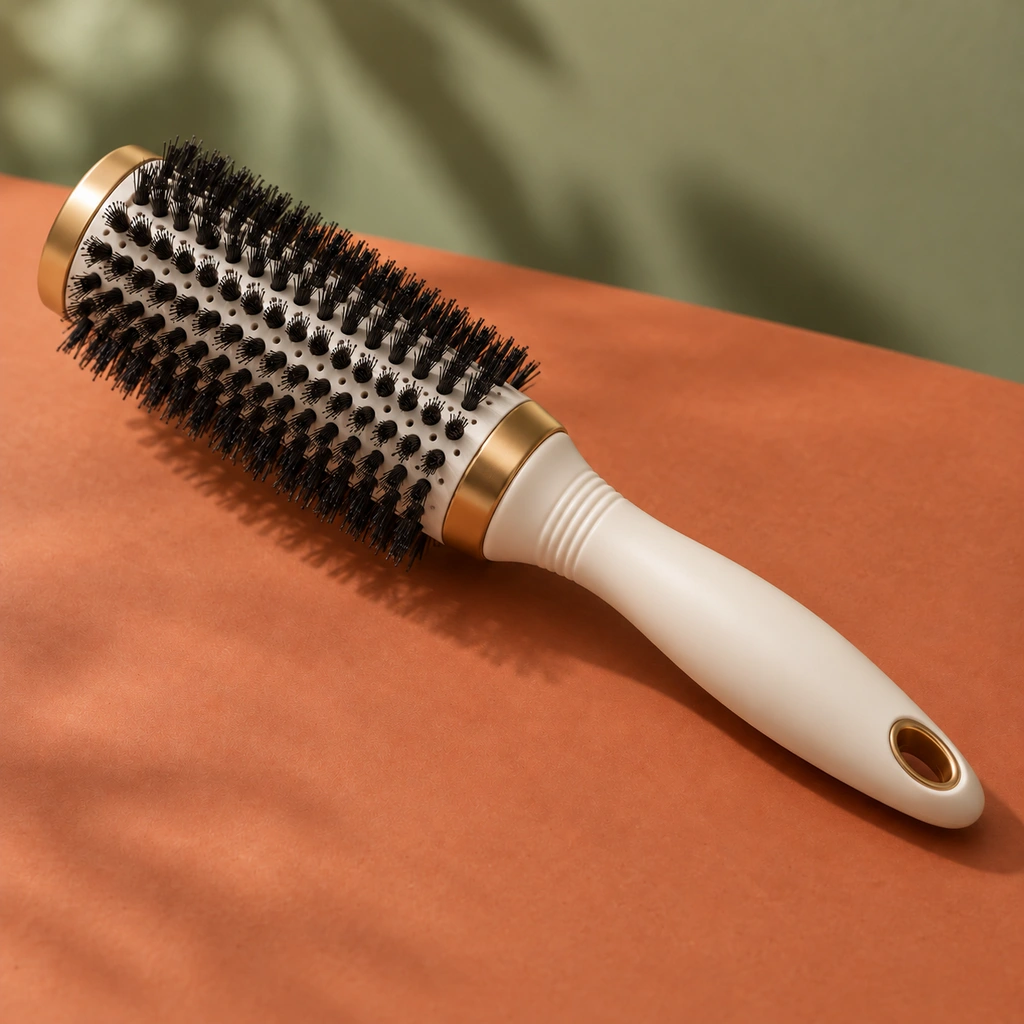
AIMIKE NaturaVol manual round brush, 1.7-inch barrel
What to check
Similar manual vented round brush, used with a separate dryer; it is not an electrical blow-dry brush. The selected barrel is 1.7 inches, about 2.5 inches including bristles, intended for shoulder-length to long hair. The generic illustration also uses white and gold; it does not establish the actual brand or barrel dimensions. Keep a hot barrel away from skin. Review feedback includes some durability concerns; inspect the brush before use.
-
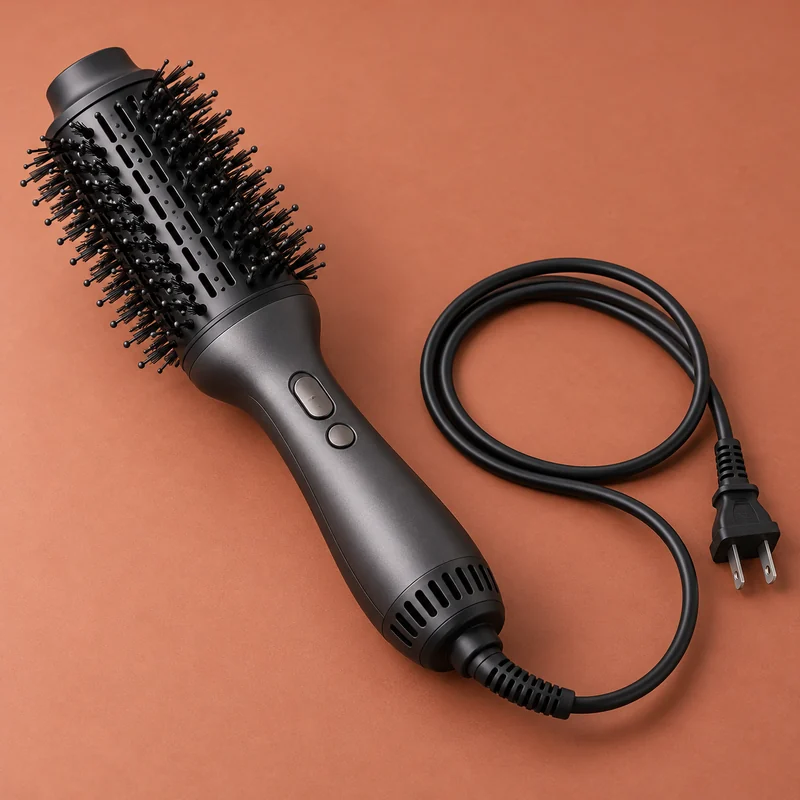
REVLON One-Step Volumizer Plus, black 2.4-inch oval brush
What to check
Similar hot-air brush with a 2.4-inch oval head; it is not a round manual brush or a clamp iron. Listed as 120 V. Compare head size with your length and follow the manufacturer instructions for damp-to-dry use; check local electrical compatibility. Its own head detaches for storage; the complete appliance is linked, not a universal replacement head. Do not fit the pictured unbranded attachment to this appliance.
-
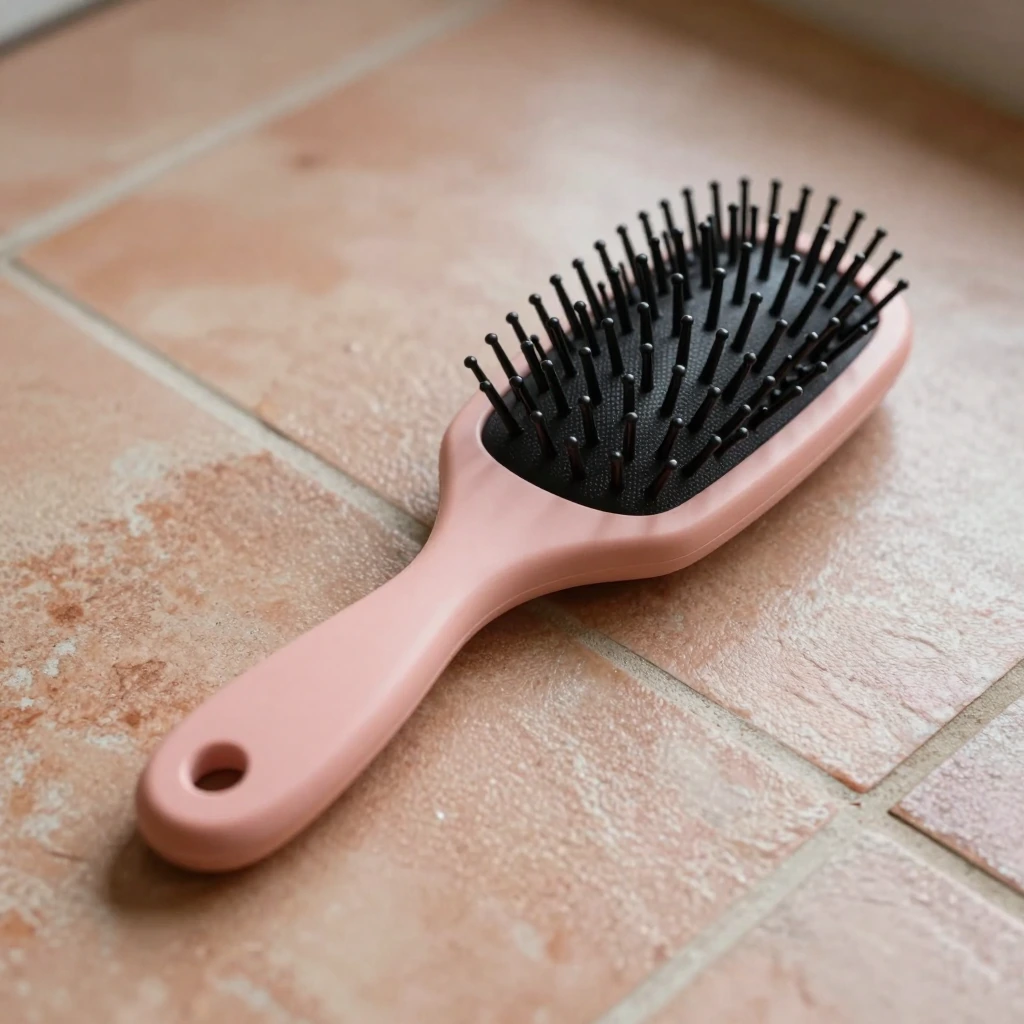
Wet Brush Original Detangler, Pink Frost
What to check
Similar cushioned detangling brush in Pink Frost, with an oval head rather than the broad illustrated paddle. Choose for gentle section-by-section detangling; it is not a heated styling tool or automatically suitable for every wig fiber. Follow the brush and hairpiece directions. Some review feedback concerns durability.
-
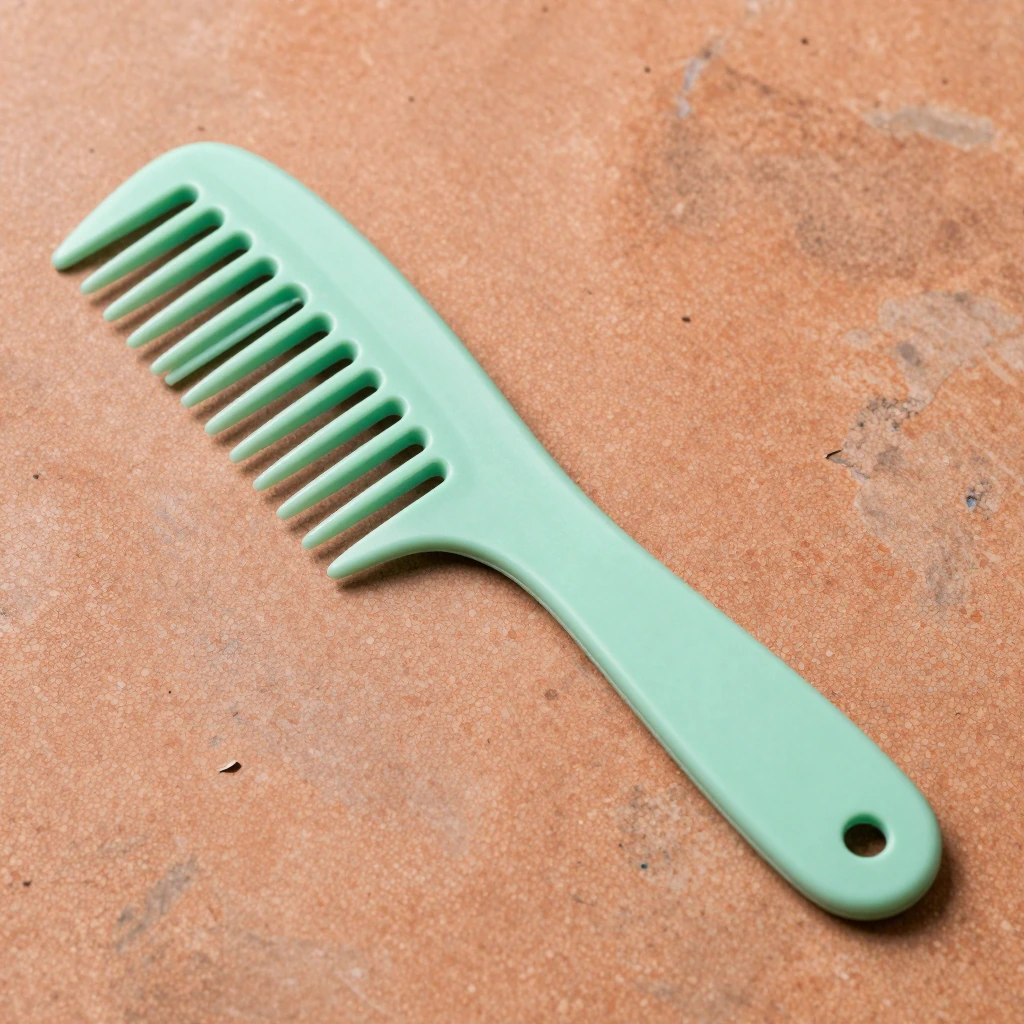
Paul Mitchell wide-tooth detangler comb, seafoam
What to check
Similar wide-tooth comb for detangling and distributing a treatment. The square item illustration shows a seafoam handled comb; other scenes show different shapes or colours. The illustration does not establish this brand or dimensions. Check the actual dimensions and work gently rather than force through tangles.
-
CHI 44 Iron Guard thermal protection spray, 8 fl oz
What to check
Similar heat-protection spray, not the unbranded amber illustrated bottle. Follow the current bottle directions before using a heated tool, and allow hair to reach the dryness required by that tool. Fragrance and finish may not suit everyone; review feedback on stickiness and dryness is mixed. Protection claims do not make high heat harmless.
-
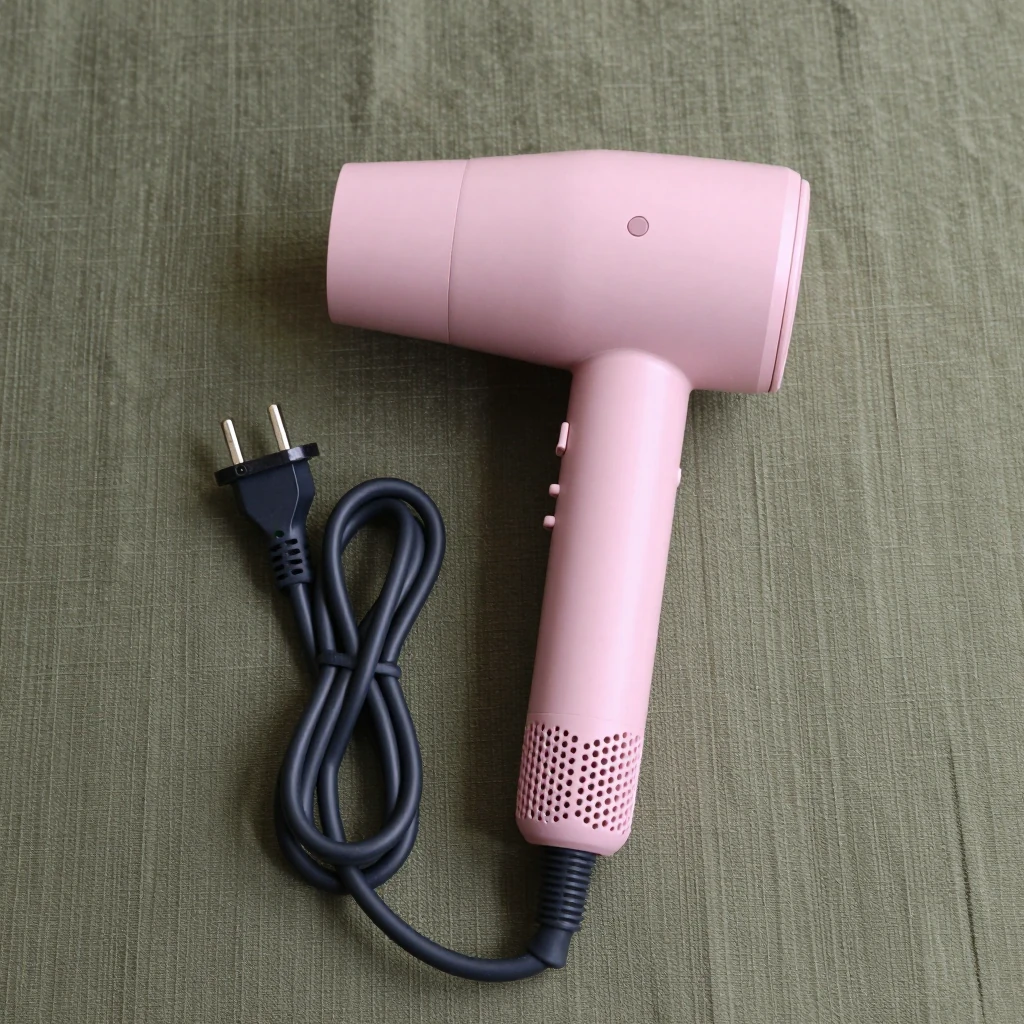
AINA pink dryer with diffuser and concentrator, 110 V edition
What to check
Similar pink dryer supplied with its own concentrator, finger diffuser and comb attachment. The selected listing is the 110 V edition; check the appliance label and your local electrical supply. This is not a dual-voltage claim. The square item illustration shows a pink dryer only; its shape and plug do not establish the actual appliance or electrical compatibility. Included attachments are matched to this dryer, not promised to fit another brand.
-
Aussie Miracle Moist conditioner with avocado and jojoba oil, 26.2 fl oz
What to check
Similar everyday rinse-out conditioner, applied in the shower and rinsed. It is not a mask or a leave-in. Moisture wording is the manufacturer’s claim; follow the label’s amount and timing.
-
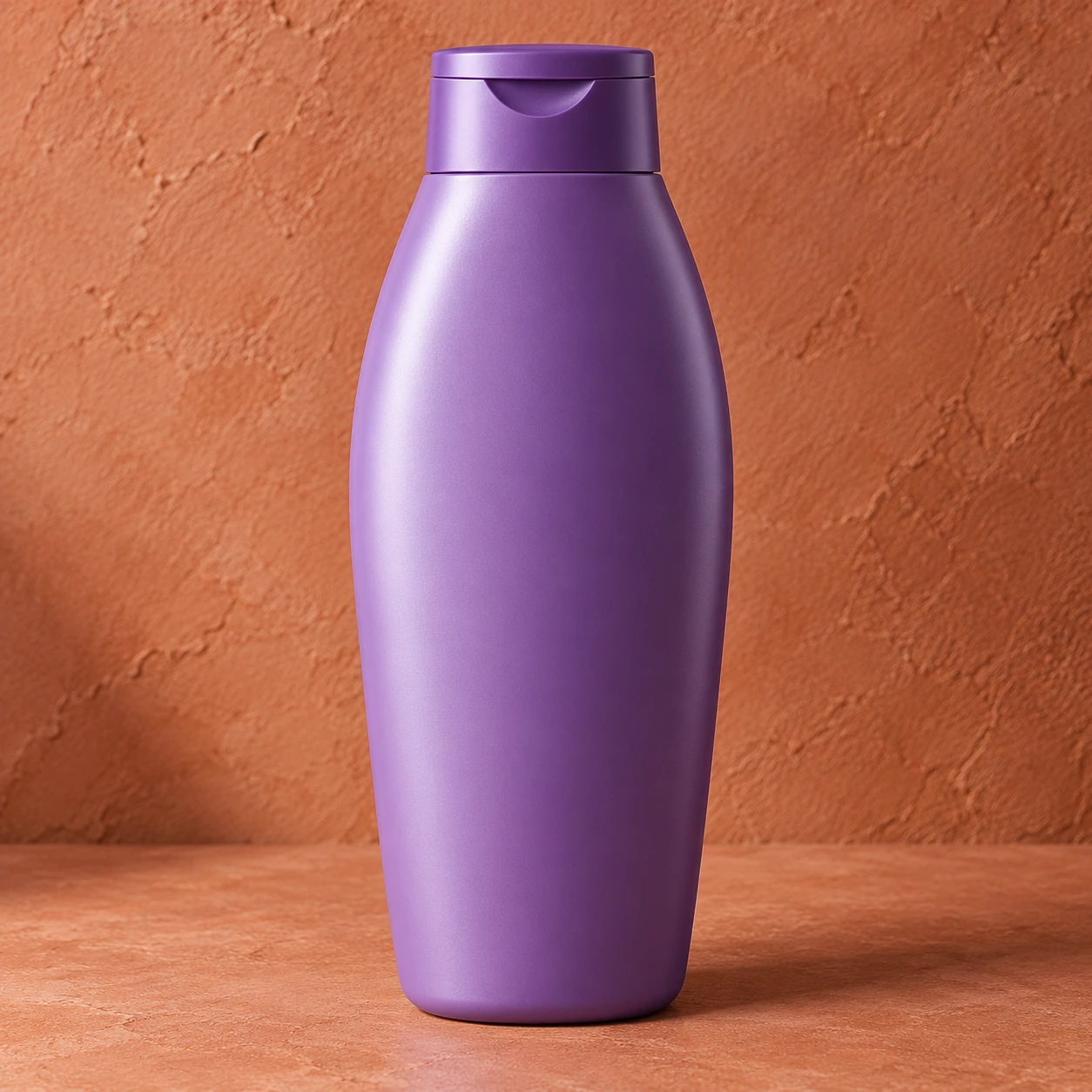
Clairol Professional Shimmer Lights purple shampoo, 8 fl oz
What to check
Optional purple toning shampoo for suitable blonde, highlighted or silver hair. It targets unwanted yellow tones; it does not bleach dark hair or reproduce the illustrated shade. This is the single 8 fl oz shampoo, not conditioner. Follow its label frequency and timing; compare ingredients and rinse carefully. Review feedback includes dryness and scent concerns.
Show all 9 pieces
-
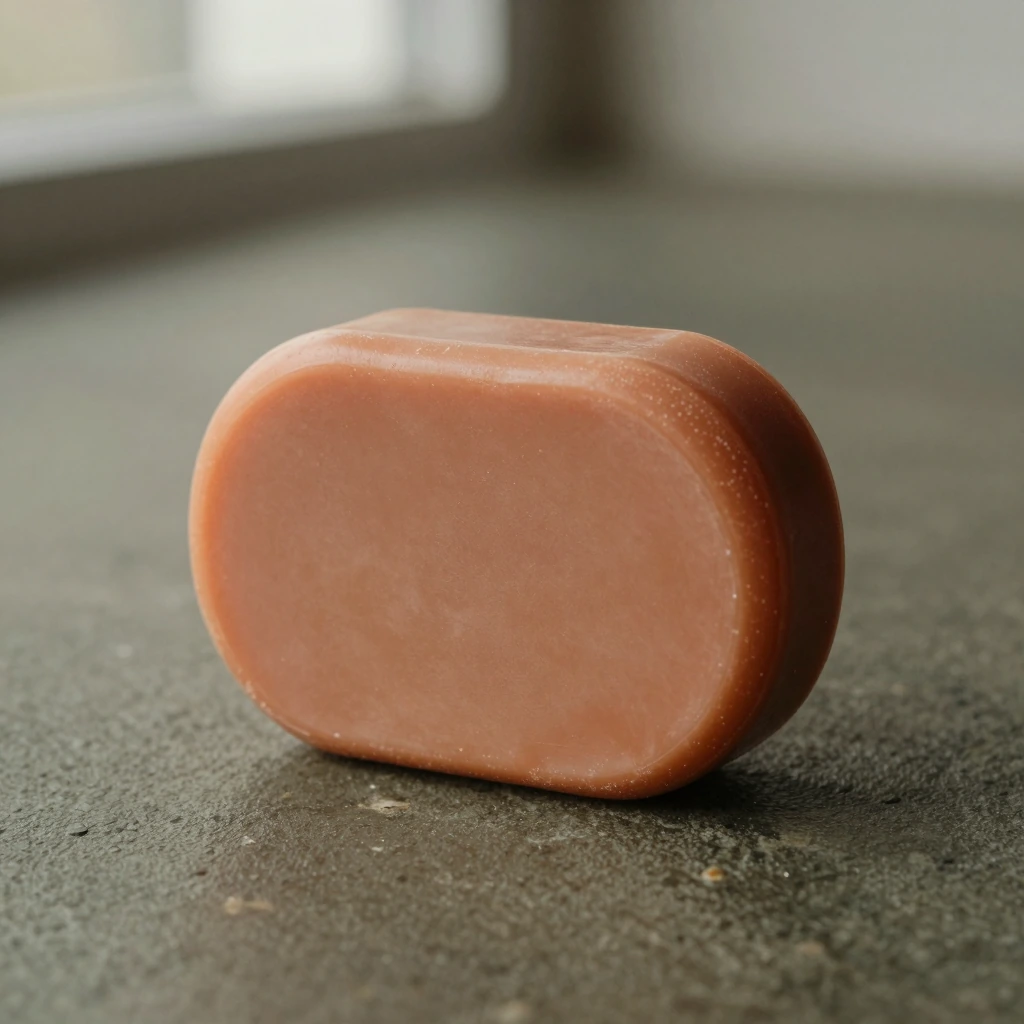
Kitsch rice-water shampoo bar, 3.5 oz
What to check
Similar solid cleansing bar, not proof of the pictured bar’s formula or brand. Follow its current ingredient and washing directions, and allow the bar to drain between uses. The listing markets growth/repair benefits; these are not independently tested or promised here. Reviews differ on dryness, fragrance and how long a bar lasts.
Keep exploring
Related guides
 Care & wash day
While our hair care guides teach you how to wash and condition your strands, choosing the right brush from this guide prevents mechanical breakage during your daily routine.
 Everyday styles
Hairstyles like sleek blowouts and voluminous waves rely directly on using the correct round brush or paddle brush technique detailed in this guide.
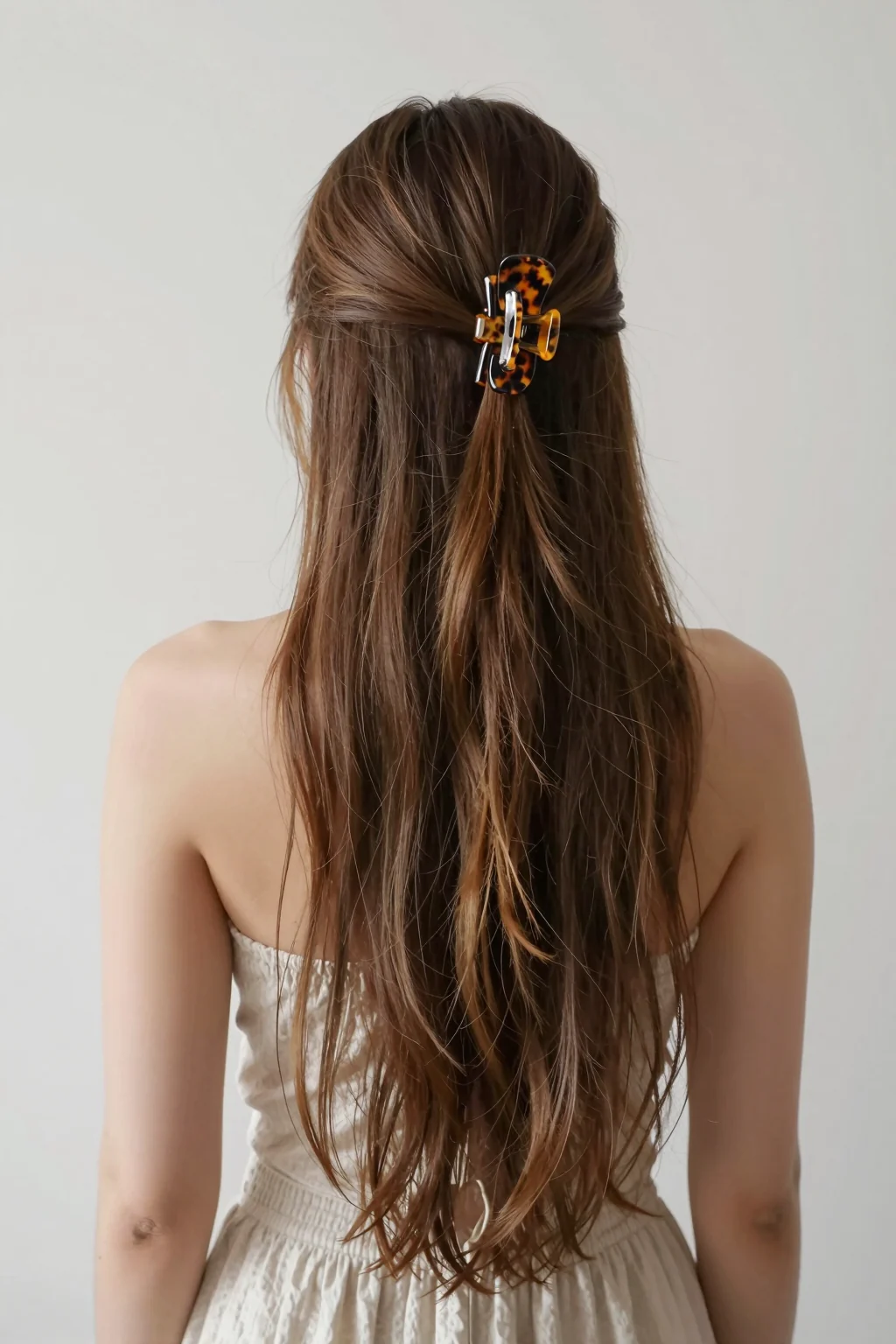 Clips & accessories
Hair accessories like clips and bands work alongside your brushes to section and hold hair securely while you execute detangling and blow-drying steps.
 Color & root touch-ups
Color-treated hair has a more vulnerable cuticle layer, making the gentle detangling and boar bristle techniques in this guide helpful to minimize premature fading and snap-off.
Questions
Can I use a boar bristle brush on wet hair?
No, you should generally avoid using a boar bristle brush on wet hair. Boar bristles are tightly packed and stiff when dry, and when wet hair is wrapped around them, the dense cluster can create friction that snaps the hair shaft. Reserve boar bristle brushes strictly for dry hair to polish and distribute natural oils.
What is the difference between a paddle brush and a detangling brush?
A paddle brush features a wide, flat surface designed to smooth dry hair, flatten frizz, and cover large surface areas quickly. A detangling brush typically features flexible plastic pins of varying heights designed specifically to bend around knots and pull apart tangles with minimal tension on wet or dry hair.
How do I know which size round brush to buy?
Choose your round brush size based on your hair length and the result you want. Small barrels around one inch create tight curls and work well for short hair or bangs. Medium barrels around two inches add soft bends and shoulder-length body. Large barrels three inches or wider smooth long hair and create loose, voluminous blowouts with minimal curl.
Why does my hair get static electricity when I brush it?
Static electricity occurs when friction between dry hair and plastic or synthetic brush bristles transfers electrons, causing strands to repel each other. You can reduce static by switching to a brush with natural boar bristles or wooden pins, and by lightly misting your hair or brush with a hydrating spray before styling.
Generated references, not tested products. How shopping links work.