Hair ideas / Clips & accessories
Headband hairstyles: padded, knotted, thin and scarf styles for second-day hair
Headbands solve the immediate problem of second-day hair by masking greasy roots, taming frizz, and adding structural interest without requiring a full wash or blowout.
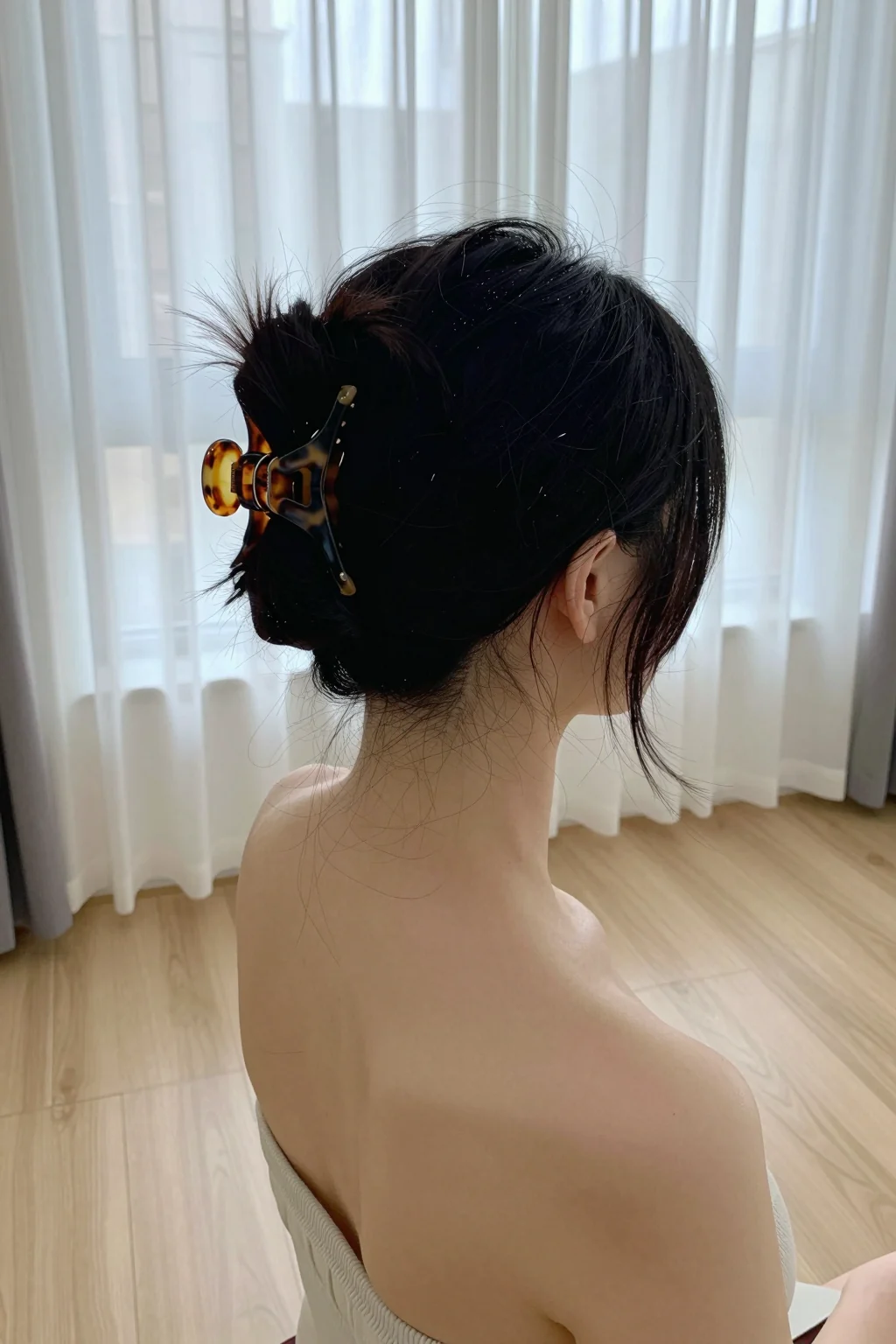
Three rules
Start here.
- Position your headband one to two inches back from your hairline rather than directly on the forehead to maintain natural volume and prevent a pinched, severe appearance.
- Prep second-day hair with a light dusting of dry shampoo at the roots before placing the headband to absorb excess oil and help prevent the accessory from sliding backward.
- Anchor thin or silk scarves and flexible wire headbands by pinning them discreetly behind the ears with bobby pins to help stop them from shifting during daily movement.
A styling reference, not a product photo.
What defines it
The basics
Headband hairstyles encompass a wide variety of functional and decorative accessories used to secure hair away from the face while instantly altering the shape and polish of a look. From thick velvet padded bands to delicate wire-wrapped scarves and minimalist metal wires, these accessories act as architectural frames for the face. They bridge the gap between casual loungewear and formal styling, offering a practical way to manage texture, volume, and hairline cowlicks in under sixty seconds.
The utility of a headband relies heavily on placement and tension. Unlike elastic hair ties that pull hair back uniformly into a single point of tension, a rigid or semi-flexible headband distributes pressure across the crown behind the hairline. This placement allows you to maintain volume at the crown or flatten unruly cowlicks depending on where the band rests. When paired with natural textures like curls, second-day waves, or freshly cut bangs, the right headband anchors the style and prevents it from looking messy or neglected.
This category is distinct from basic claw clips or scrunchies because headbands interact directly with the front profile of your haircut. They frame the forehead, temples, and cheekbones, making them a powerful tool for visual correction and styling shorthand. Whether you are dealing with greasy roots, a awkward growing-out fringe, or flat morning texture, headbands provide an immediate mechanical solution that requires zero heat tools or complex pinning.
Repeatable combinations
Formulas to try
- Padded headband with second-day waves
- Gather your second-day hair and mist the mid-lengths with a texturizing spray to revive natural movement. Slide a thick, fabric-covered padded headband onto your crown, positioning it about two inches behind your hairline so the front hair puffs slightly over the edge. Pull out a few face-framing strands near your ears to soften the perimeter. This style creates height at the crown while hiding flat, greasy roots at the front part.
- Knotted headband with blunt bangs
- If you wear a straight fringe, brush your bangs forward so they sit flat and distinct against your forehead. Place a knotted fabric headband directly behind the fringe line, letting the central knot sit centered or slightly off-center for an asymmetrical touch. The knot pushes the bangs slightly downward and forward, keeping them separate from the rest of your hair and preventing them from sticking to oily skin on the forehead during the day.
- Thin metal headband with textured curls
- Scrunch a small amount of lightweight mousse or water into curly hair to reactivate second-day pattern and definition. Slide a minimalist, flexible metal wire headband over your head, pushing it back past your ears to hold the sides neatly away from your face while allowing your curls to cascade freely behind and over the band. This creates a clean silhouette at the temples without crushing the natural volume of your curls.
- Scarf headband with a low messy bun
- Gather your hair loosely at the nape of the neck and twist it into a casual, unsecured bun, securing it with a few open pins. Take a rectangular silk or cotton scarf, fold it into a long narrow strip, and tie it around your head with the knot or bow sitting neatly at the top or tucked underneath. Let a few short pieces escape around the nape and ears for a relaxed, tactile finish that requires no perfection.
- Double-band style for flat hair rescue
- When hair is completely limp on day three, create instant structure by using two thin matching headbands spaced about one inch apart behind your front hairline. Gently tease the hair section caught between the two bands to create a small, pillowed puff of volume. Let the rest of your hair fall in its natural wave or straight line behind the second band, giving the illusion of a deliberate retro updo or crown braid.
Your needs, your plans
Before you choose
- Headband tension and headaches
- Rigid plastic or heavy metal headbands that pinch directly behind the ears can sometimes cause tension headaches after a few hours of wear. If you are prone to headaches, choose flexible wire bands, padded styles with soft fabric casings, or adjustable elastic-backed scarves that distribute pressure evenly around the skull rather than pressing into specific pressure points.
- Hair texture and slipping
- Smooth, freshly washed hair or ultra-fine strands often cause slick headbands to slide forward or backward throughout the day. Second-day hair often provides better natural grip due to mild sebum accumulation, but if you still experience slipping, lightly backcomb the hair underneath the band's resting point or mist the underside of the accessory with hairspray for extra friction.
- Bangs and fringe interference
- Wearing a headband with bangs requires careful placement to avoid awkward bending or creasing of the fringe. If your bangs are curtain-style, let the headband push them outward toward the cheekbones. If your bangs are short and blunt, place the band precisely at the root line where the fringe meets the longer hair so the bangs fall freely forward without being flattened.
- Fabric care and hygiene
- Fabric, velvet, and silk headbands absorb natural scalp oils, sweat, and facial products with every wear, which can sometimes transfer back onto clean hair or cause skin irritation along the hairline. Periodically spot-clean fabric bands with mild soap and water, or choose styles with removable, washable covers to maintain scalp hygiene.
From what you own
Build it and repeat it
Start by assessing the condition of your second-day hair to determine which headband style will provide the best camouflage and structural support. If your roots are flat and greasy, a thick padded headband can help hide the oil slick while adding instant height at the crown. If your texture is frizzy and unmanageable, a wide knotted fabric band or a tied scarf will pin down flyaways around the face while keeping the bulk of your hair contained. Identify your primary problem area—whether it is limp texture, an unruly fringe, or lack of volume—and select an accessory that mechanically counteracts that specific issue.
Once you select your headband, focus on correct placement to maximize both comfort and appearance. Avoid slamming the band straight down onto the middle of your head; instead, slide it all the way back to the nape of the neck and push it forward to your desired resting spot about two inches behind the hairline. This motion naturally lifts the hair roots upward rather than crushing them flat against the scalp. Pair the accessory with a quick mist of dry shampoo or texturizing spray, pull out a few soft tendrils around the ears, and your second-day style is complete.
Keep exploring
Related guides
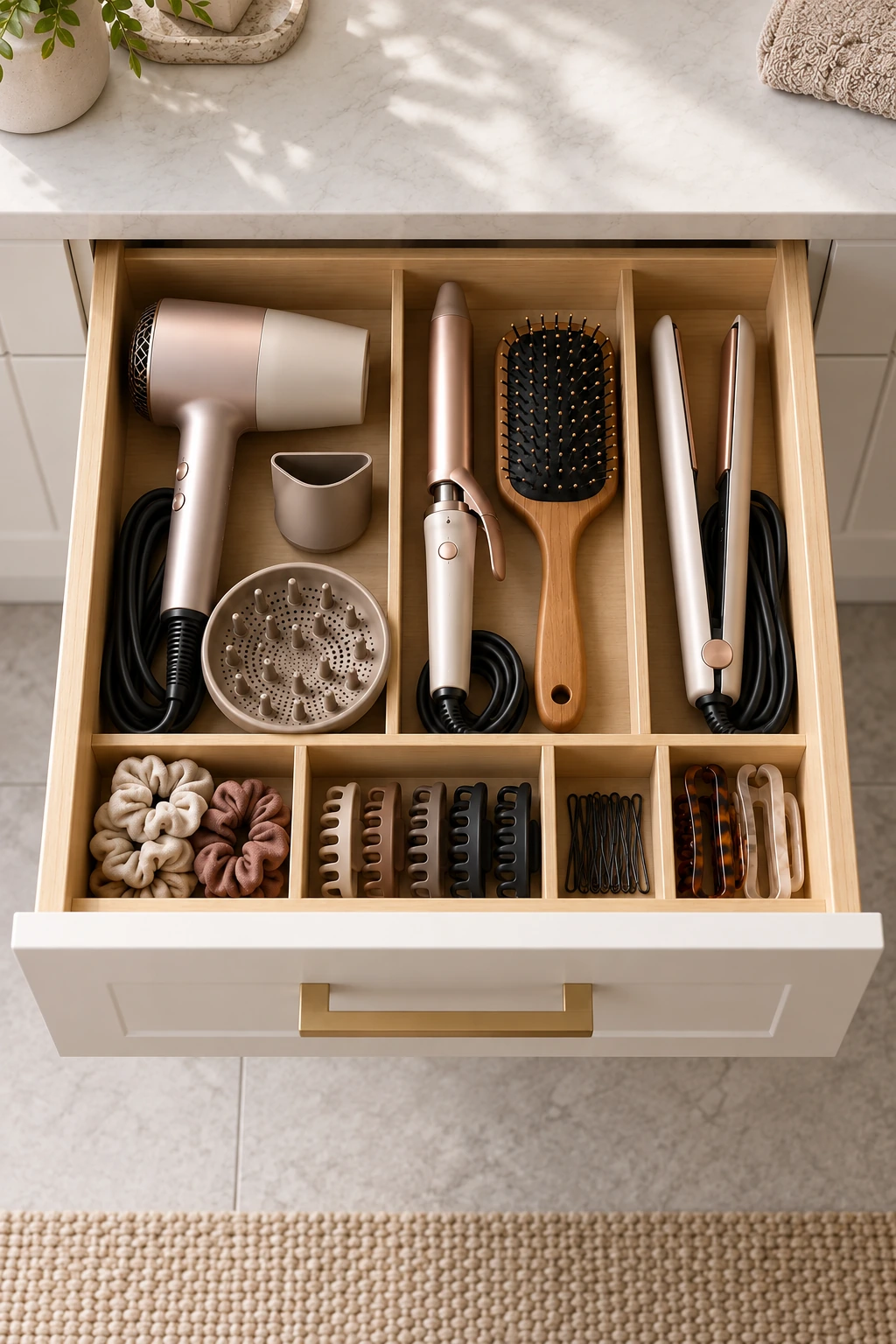 Tools & products
Hair tools like curling irons and blow dryers rely on thermal manipulation to reshape hair structure, whereas headbands use mechanical pressure and accessories to style hair instantly without heat damage.
Questions
How do I stop my headband from sliding forward all day?
Headbands sometimes slide because of smooth hair texture or improper placement. Try applying a light mist of dry shampoo or texturizing spray to the crown to create friction. You can also secure the sides of the headband behind your ears using two bobby pins crossed in an X-shape against your hair.
Can I wear a headband comfortably if I wear glasses?
Yes, but glasses arms and headband ends often compete for the same space behind your ears, leading to potential pinching and discomfort. Look for thin wire headbands that sit high above the ear curve, or position the ends of the headband inside or outside your glasses arms rather than pressing them directly against your skull.
What headband style works best for short hair and pixie cuts?
Thin metal wires, narrow velvet bands, or small scarf headbands tend to work best on short hair because they do not overwhelm the proportions of a cropped cut. Place the band right at the crown to push forward any messy morning cowlicks while keeping the cropped sides neat and tidy.
How do I wear a headband with curtain bangs without ruining them?
Slide the headband into place behind your fringe, then gently pull your curtain bangs forward and outward over the sides of the band. This allows the band to secure the crown while letting your face-framing pieces sweep naturally toward your cheekbones without getting pinned flat.
Generated references, not tested products. .