Hair ideas / Care & wash day
High porosity hair routine: sealing moisture and protein balance
High porosity hair soaks up water instantly, but loses it just as fast, leaving strands prone to dryness, tangles, and frizz within hours of washing. Your routine needs to slow down moisture loss and reinforce fragile cuticle gaps.

Three rules
Start here.
- Seal moisture into damp hair immediately after washing using richer creams, butters, or sealing oils to help prevent hydration from escaping through open cuticles.
- Incorporate regular protein treatments every two to four weeks to temporarily fill gaps in the damaged cuticle and help restore tensile strength.
- Rinse your hair with cool water at the end of every wash cycle to help encourage the raised cuticle edges to lie as flat as possible.
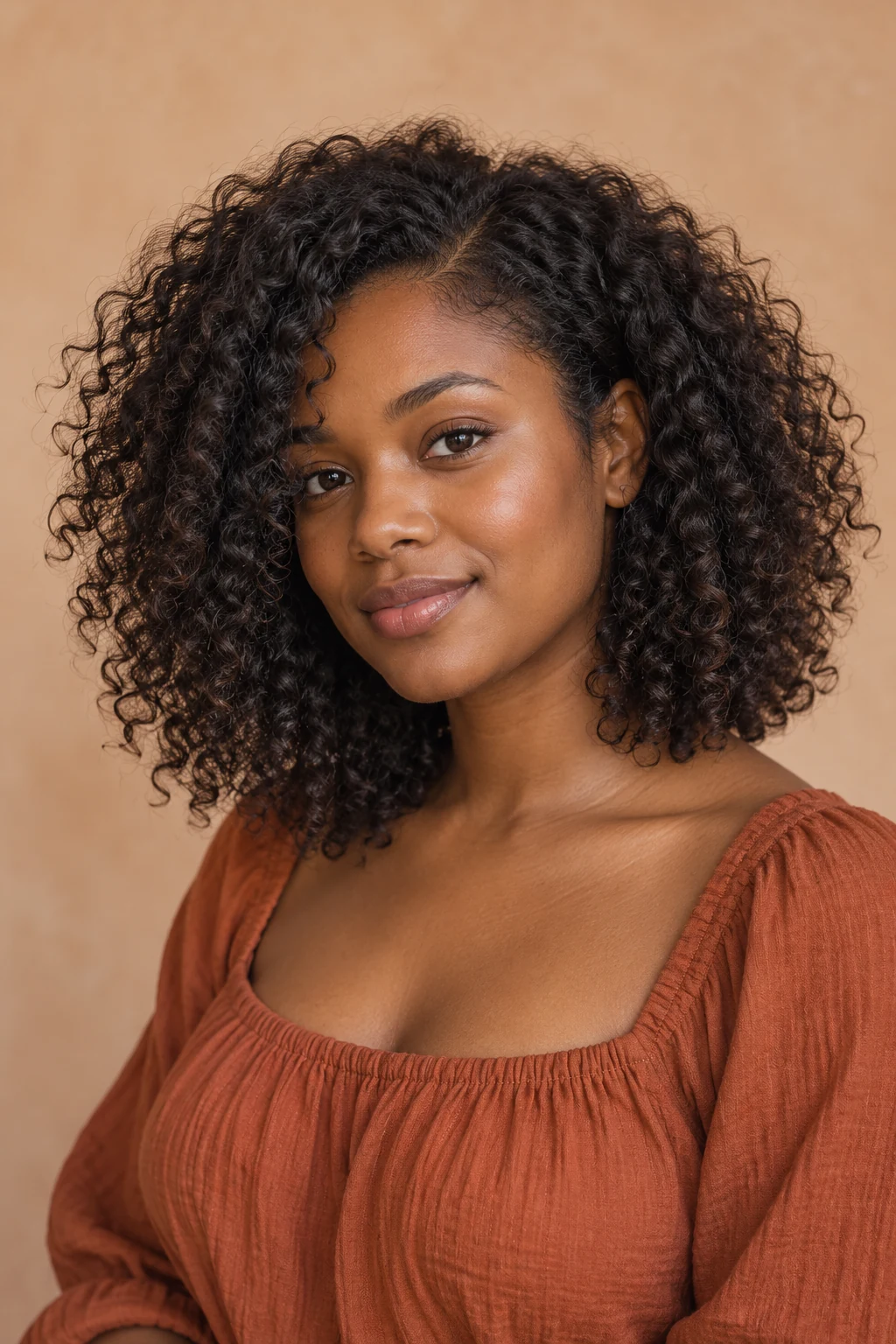
A styling reference, not a product photo.
What defines it
The basics
High porosity hair describes strands where the cuticle layer has gaps, cracks, or raised edges. This structure allows water, products, and humidity to enter the hair shaft immediately, but it prevents the hair from holding onto that moisture once applied. This is often caused by heat styling, chemical processing, or environmental damage, though it can also be a natural genetic trait for some hair textures.
What makes a routine work for high porosity hair is a focus on layering and sealing. Because the cuticle may struggle to trap hydration on its own, many people find it helpful to use heavier emollients, sealing oils, and regular protein treatments to bridge the gaps in the strand. Skipping the sealing step leaves the hair dry and frizzy again shortly after it dries, no matter how much water or conditioner you applied initially.
This is not the same as thick hair or coarse hair, though high porosity strands can sometimes feel coarse due to cuticle damage. Porosity refers strictly to how open or closed the cuticle is, while thickness describes the diameter of the individual hair strand. High porosity hair also differs from low porosity hair, which resists moisture entirely and typically requires lightweight, heat-assisted treatments rather than heavy sealants and protein.
Repeatable combinations
Formulas to try
- Layered moisture application
- After washing and gently squeezing out excess water, apply a hydrating leave-in conditioner to soaking-wet hair. Follow immediately with a richer cream or a few drops of a sealing oil like argan or jojoba while the hair is still damp. This layered approach helps trap water inside the shaft before open cuticles can release it into the air.
- Cool water final rinse
- Finish every shower by rinsing your hair under cool or lukewarm water for at least thirty seconds. While cool water cannot permanently alter cuticle structure, it helps the outer layer contract and lie smoother against the hair shaft, reducing immediate frizz and surface roughness as your hair begins to dry.
- Protein-reconstruction treatment
- Every two to four weeks, apply a protein-rich repair mask to clean, damp hair and let it process according to the product instructions before rinsing thoroughly. High porosity hair can lose its structural integrity over time, and protein temporarily fills micro-gaps along the shaft to help improve elasticity and reduce breakage.
- Cream-based sealant method
- Rub a dime-sized amount of a rich, emollient hair butter or styling cream between your palms and gently smooth it over the mid-lengths and ends of your hair. Focus on the sections that feel roughest or look frizziest. Avoid applying heavy butters directly to the scalp, as high porosity strands usually only need heavy sealing along the lengths.
- Gentle microfiber drying
- Press and blot excess water from your hair using a smooth microfiber towel or a soft cotton t-shirt instead of rubbing with a standard terrycloth towel. Rough friction lifts and tears the delicate, raised cuticles of high porosity hair, often causing immediate frizz and tangling before you even begin styling.
Your needs, your plans
Before you buy
- Humidity and environmental frizz
- High porosity hair often reacts strongly to changes in atmospheric moisture. In high humidity, open cuticles can absorb excess moisture from the air quickly, causing the hair to swell and frizz within minutes. Using anti-humidity styling creams or film-forming humectants in humid weather may help create a protective barrier around each strand.
- Over-proteinization risks
- While high porosity hair often benefits from protein, using protein treatments too frequently can sometimes make the hair feel stiff, straw-like, and prone to snapping. If your hair starts feeling brittle or rigid after a treatment, scale back on protein and focus entirely on moisture and hydration until normal flexibility returns.
- Mechanical damage and detangling
- Because high porosity cuticles catch on one another easily, tangles can form faster and harsh brushing may snap the hair shaft. Always detangle your hair from the ends up toward the roots while it is coated in conditioner or slippery leave-in product, using a wide-tooth comb or a flexible paddle brush designed for wet hair.
- Chemical and heat history
- Frequent coloring, bleaching, relaxing, and daily high-heat styling can significantly alter the cuticle layer, keeping it in a persistently raised, high porosity state. If you continue using heat or chemical treatments, your hair may require ongoing maintenance with sealing agents and bond-supporting ingredients to remain manageable.
From what you own
Build it and repeat it
Start by checking your hair's porosity using a simple strand test before overhauling your routine, keeping in mind that home porosity tests are informal indicators rather than clinical guarantees. Place a clean, shed hair in a glass of room-temperature water and observe it for a few minutes. High porosity hair often sinks quickly to the bottom because water penetrates open cuticles rapidly, weighing the strand down. If your hair sinks rapidly, you may want to try adopting a high porosity routine.
Once confirmed, focus your adjustments on the sealing step and drying technique first. Swap out lightweight, watery sprays for rich leave-in conditioners and sealing oils, and replace standard terrycloth towels with microfiber options. Next, introduce a balanced protein treatment into your schedule every few weeks. These targeted changes address the core challenges of high porosity hair: rapid moisture loss, cuticle roughness, and structural vulnerability. Consistency in sealing and protection will often help improve how your hair handles daily styling.
Shop the pieces
8 care & wash day pieces
Links open similar items, not the pictured ones.
-
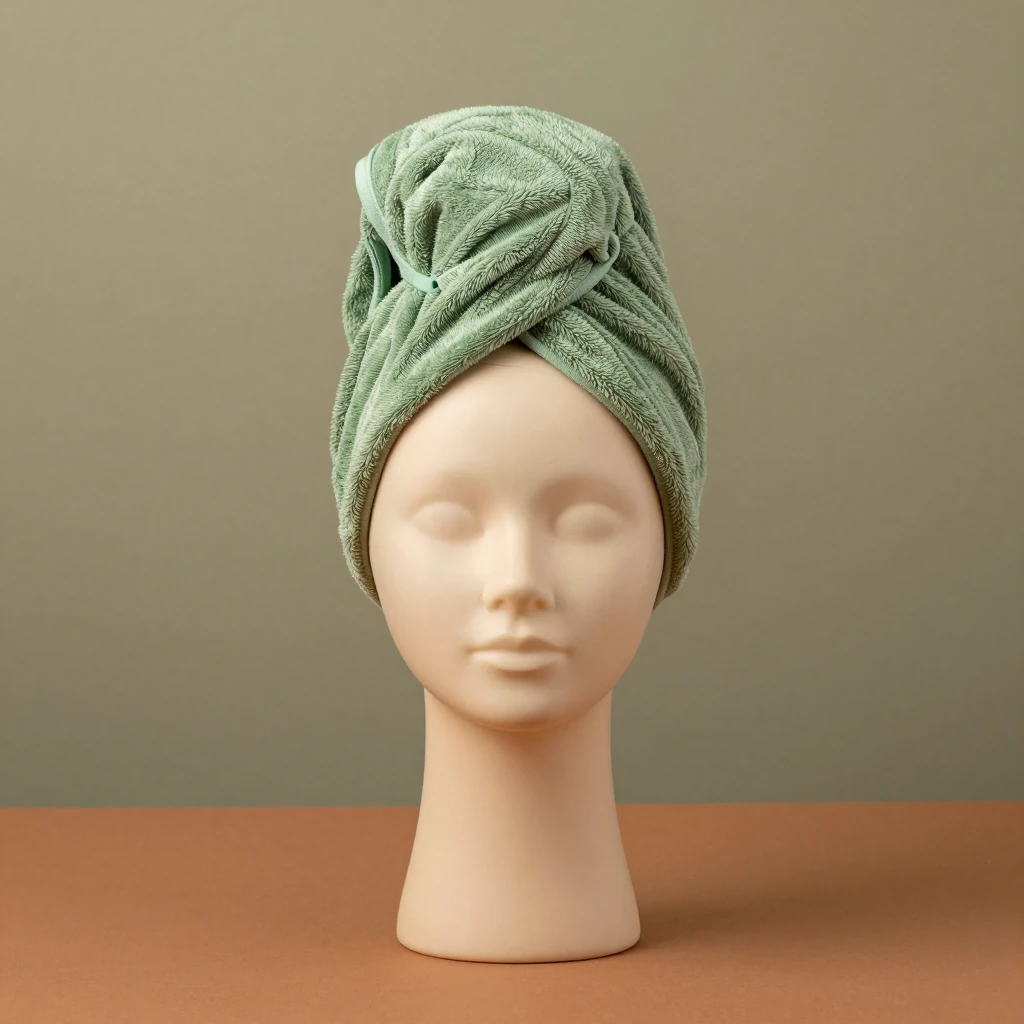
Kitsch microfiber hair towel wrap, pink
What to check
Similar twist-and-secure microfiber hair wrap, pink rather than the sage item illustration or taupe wrap in some scenes. Compare its size and closure with your hair length. It is a hair wrap, not a shower cap.
-
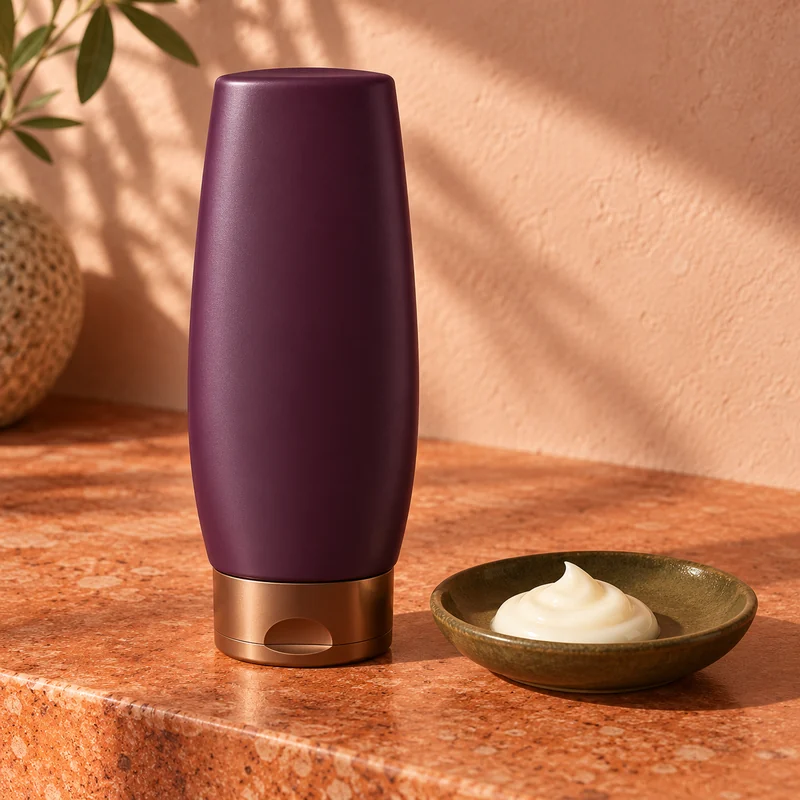
Aussie Miracle Moist conditioner with avocado and jojoba oil, 26.2 fl oz
What to check
Similar everyday rinse-out conditioner, applied in the shower and rinsed. It is not a mask or a leave-in. Moisture wording is the manufacturer’s claim; follow the label’s amount and timing.
-
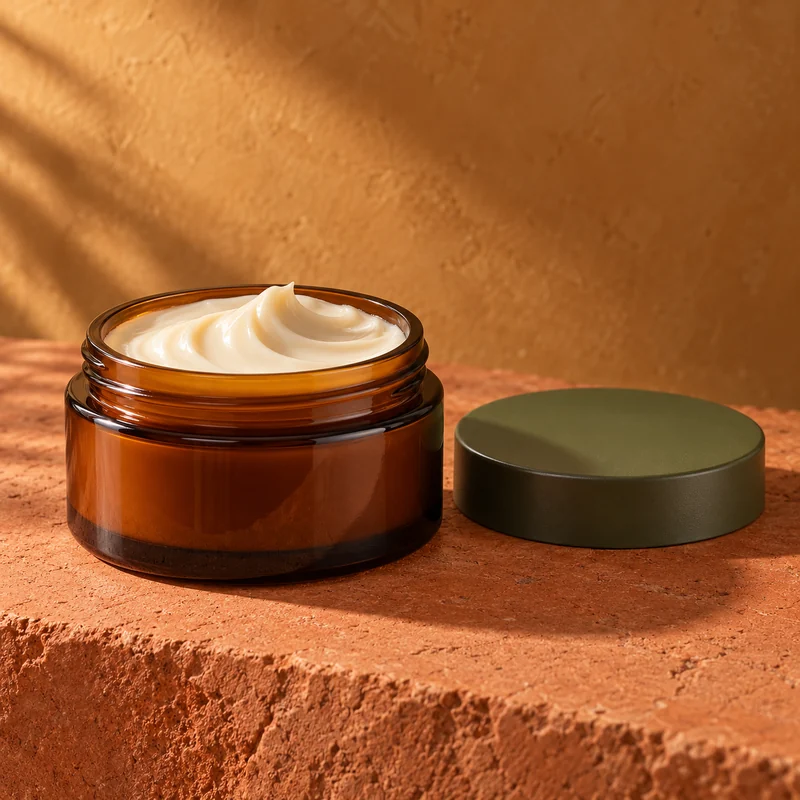
L’Oréal Paris Elvive rinse-out balm mask, 8.5 fl oz
What to check
Similar rinse-out conditioning mask, not the unbranded illustrated jar. This is not a leave-in or overnight product. Compare ingredients, including almond oil and protein, and follow the actual label directions. Repair claims on the listing are manufacturer claims, not our testing.
-
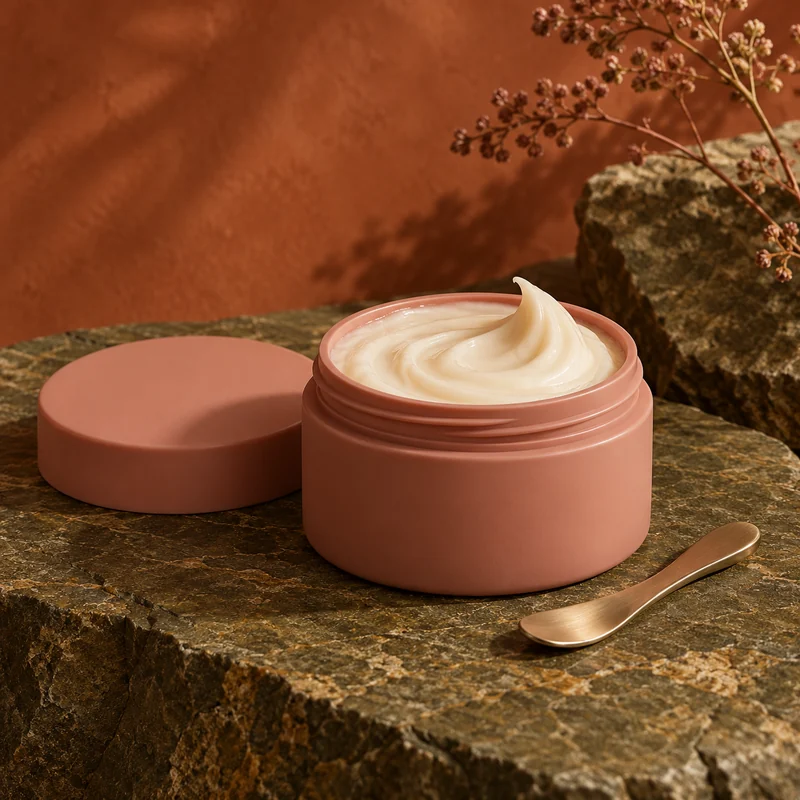
Maui Moisture Curl Quench + Coconut Oil curl smoothie, 12 oz
What to check
Similar leave-in curl cream, not the illustrated jar. Follow the product directions for applying sparingly to damp or dry hair and do not rinse. Compare ingredients and richness with your hair; a cream does not change your natural curl pattern.
-
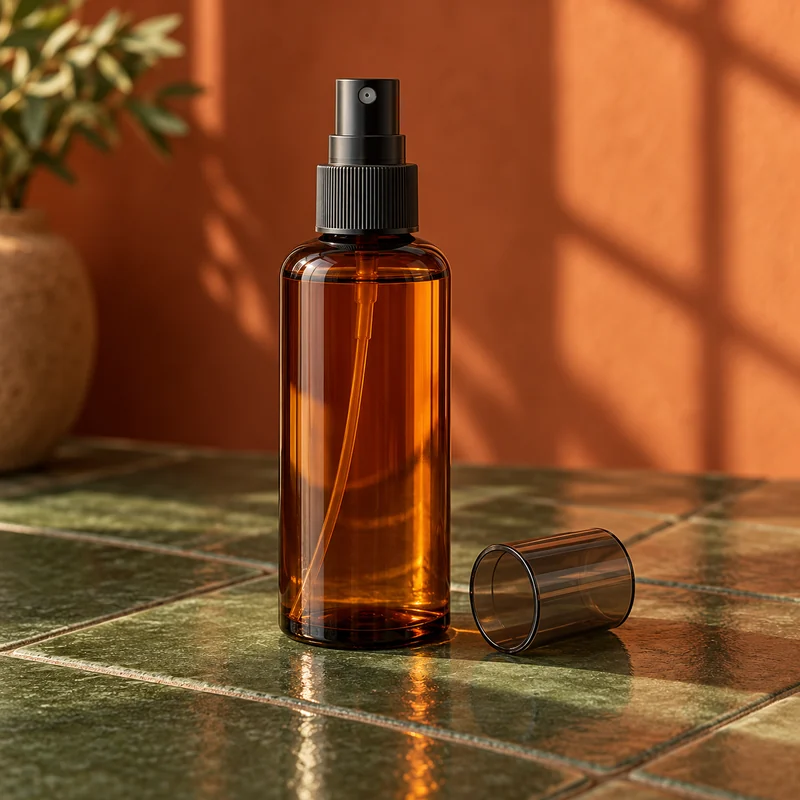
CHI 44 Iron Guard thermal protection spray, 8 fl oz
What to check
Similar heat-protection spray, not the unbranded amber illustrated bottle. Follow the current bottle directions before using a heated tool, and allow hair to reach the dryness required by that tool. Fragrance and finish may not suit everyone; review feedback on stickiness and dryness is mixed. Protection claims do not make high heat harmless.
-
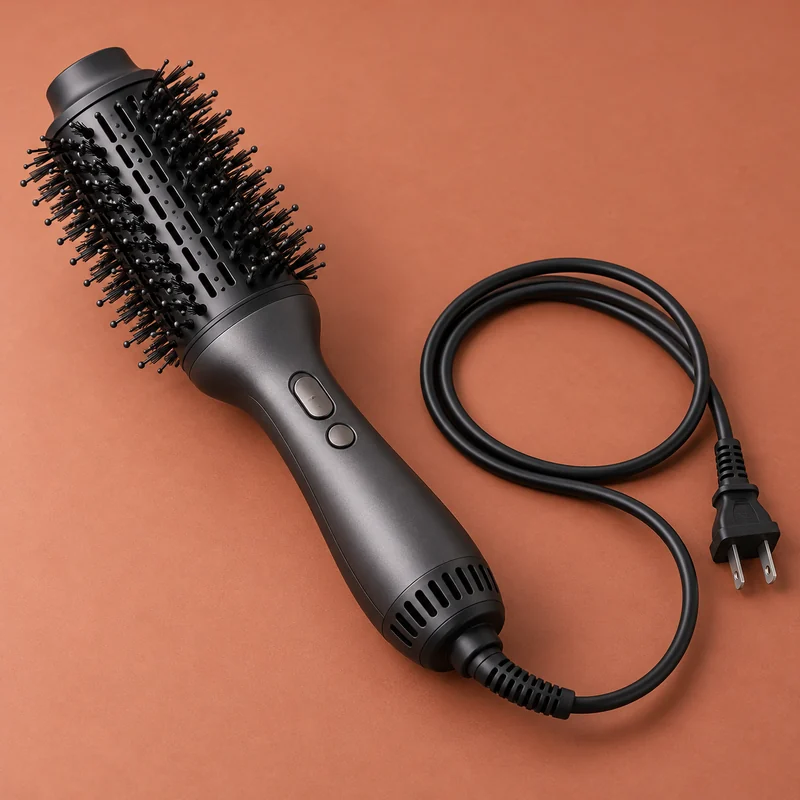
REVLON One-Step Volumizer Plus, black 2.4-inch oval brush
What to check
Similar hot-air brush with a 2.4-inch oval head; it is not a round manual brush or a clamp iron. Listed as 120 V. Compare head size with your length and follow the manufacturer instructions for damp-to-dry use; check local electrical compatibility. Its own head detaches for storage; the complete appliance is linked, not a universal replacement head. Do not fit the pictured unbranded attachment to this appliance.
-
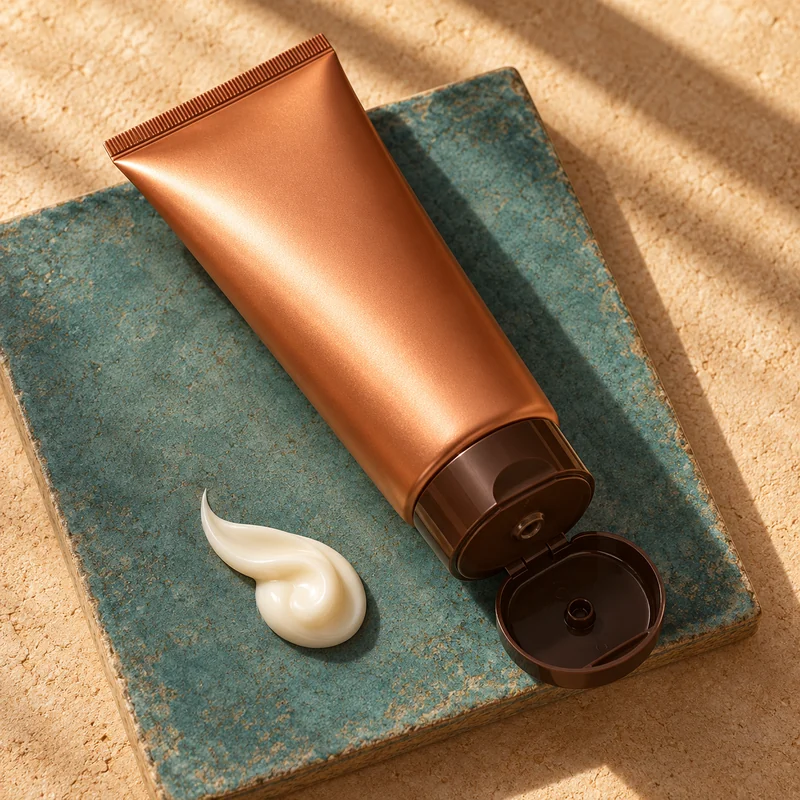
VERB Hydrate Styling Cream
What to check
Optional light-hold cream for a smoother layered finish, used on dry or damp hair per the product directions. The illustrated tube is not VERB packaging. Compare the formula with your hair needs.
-
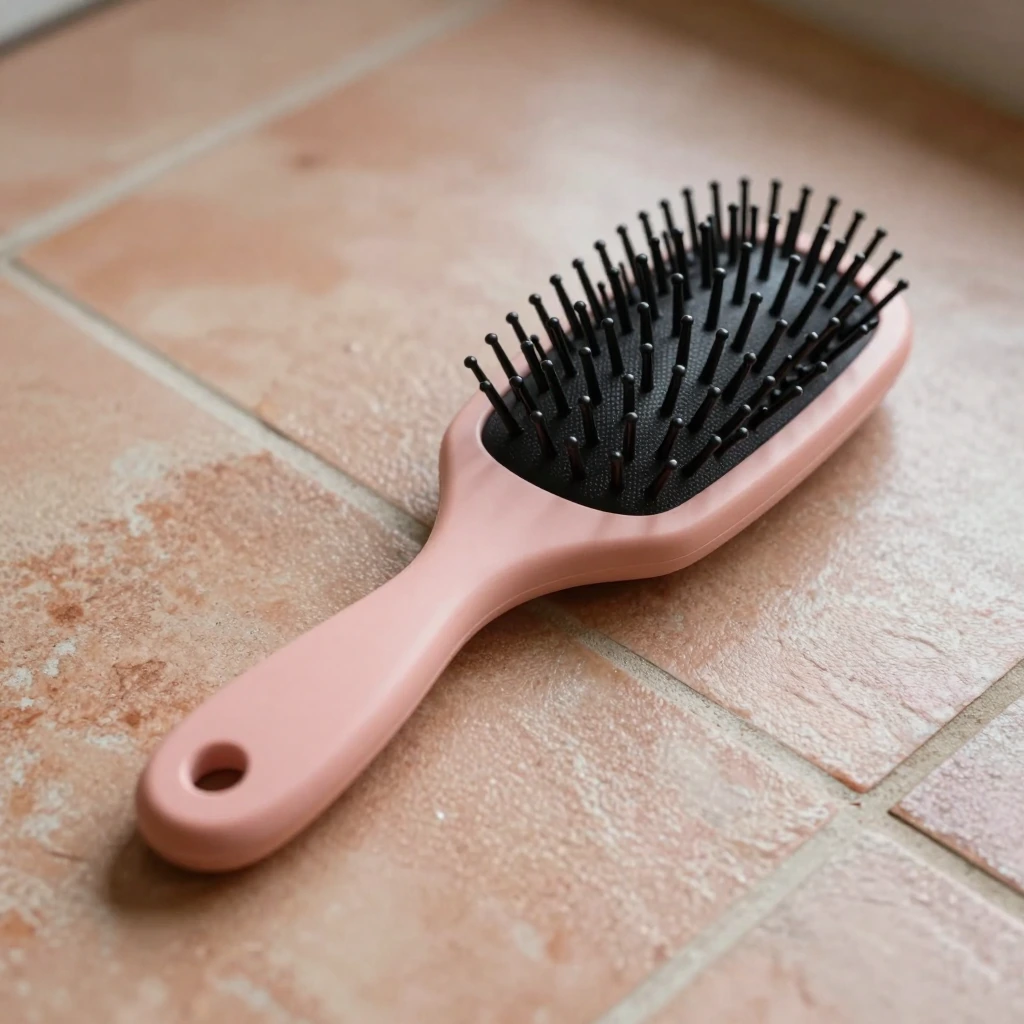
Wet Brush Original Detangler, Pink Frost
What to check
Similar cushioned detangling brush in Pink Frost, with an oval head rather than the broad illustrated paddle. Choose for gentle section-by-section detangling; it is not a heated styling tool or automatically suitable for every wig fiber. Follow the brush and hairpiece directions. Some review feedback concerns durability.
Keep exploring
Related guides
 Everyday styles
Styling methods determine the physical configuration and hold of your hair, while a care routine focuses strictly on internal moisture balance and surface protection.
 Tools & products
Tools like microfiber towels and diffusers physically assist in gentle drying, whereas a care routine provides the chemical and conditioning agents required to help seal the hair shaft.
 Clips & accessories
Accessories like silk pillowcases protect the hair surface overnight from friction, whereas a care routine provides the active moisturizers and proteins applied during wash day.
Questions
How do I know if my hair is high porosity?
The float test can be a quick indicator, though results can vary: place a clean, shed hair in a glass of water. High porosity hair may sink quickly because water enters the strand immediately. Another sign is how fast your hair dries after washing — high porosity hair often air-dries completely in an hour or less because it struggles to hold onto water, and it tends to turn frizzy and rough almost immediately.
Can I use heavy oils on high porosity hair?
Yes, heavy oils and butters like castor oil, shea butter, olive oil, and coconut oil often work very well for high porosity hair because the open cuticle may benefit from heavier sealants to help lock in moisture. Apply them in small amounts to damp hair after your leave-in conditioner to trap hydration inside the shaft.
Why does my hair still feel dry even after conditioning?
If you rinse conditioner out with warm water and skip a sealing product, some of the moisture you just added may escape through open cuticles as soon as the hair begins to dry. Many people find it helpful to follow conditioner with a leave-in cream or sealing oil on damp hair, and finish the shower with a cool water rinse to help smooth the cuticle down.
How often should high porosity hair get protein treatments?
Most people with high porosity hair find it beneficial to use a protein treatment every two to four weeks. If your hair is heavily damaged from bleach, heat, or chemical processing, you might need them slightly more often. If your hair starts feeling stiff or snapping easily, stop using protein and focus exclusively on deep hydration until balance returns.
Generated references, not tested products. How shopping links work.