Hair ideas / Care & wash day
How often to wash fine hair: frequency and scalp comfort
Fine hair shows oil and product buildup faster than thick hair, which affects how often you need to wash it. The answer is not a fixed schedule but a flexible routine that responds to your scalp.
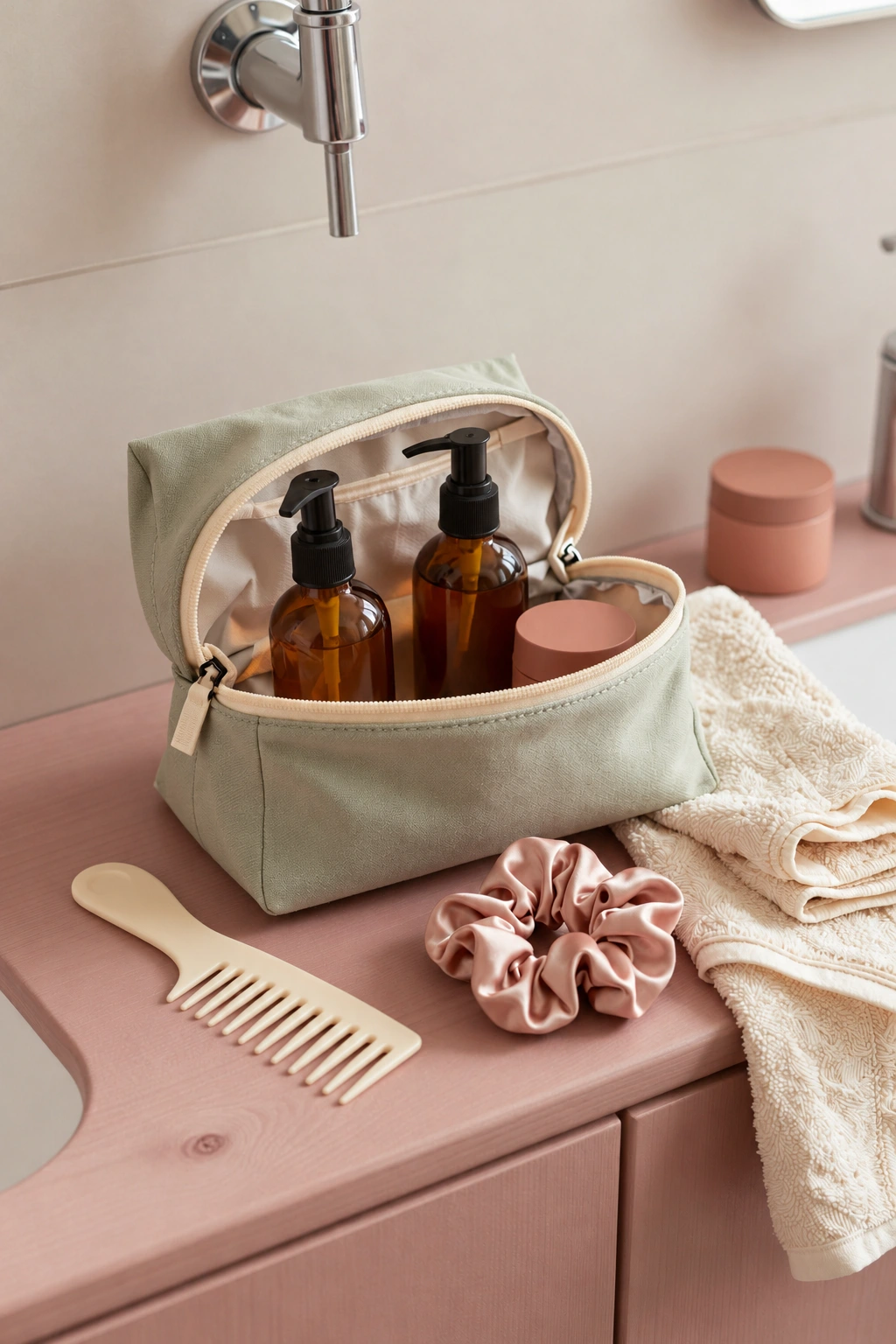
Three rules
Start here.
- Wash fine hair when your scalp feels oily or your hair looks flat at the roots, not according to a fixed schedule, because oil production varies by person and season.
- Focus shampoo on the scalp and let the lather rinse through the lengths, which keeps the scalp clean without over-washing the ends.
- Use a lightweight conditioner only on the ends, avoiding the roots, to prevent weighing down fine hair or making it look greasy sooner.
A styling reference, not a product photo.
What defines it
The basics
Fine hair refers to the diameter of each individual strand, not the total amount of hair on your head. Fine strands have less surface area than coarse strands, which means oil from the scalp spreads more quickly down the hair shaft and makes the hair look greasy sooner. This is why fine hair often needs more frequent washing than thick or coarse hair.
What makes a washing schedule work for fine hair is adjusting to your scalp's oil production rather than following a fixed rule. Some people with fine hair can stretch washes to every other day or every third day with dry shampoo. Others need to wash daily because their scalp produces enough oil that the hair looks flat and greasy by the afternoon. Neither approach is wrong — the goal is to wash often enough that your hair looks and feels clean without over-stripping the scalp, which can trigger more oil production as a rebound effect.
This is not the same as washing thin hair, which refers to hair density (how many strands you have), not strand thickness. You can have fine, dense hair or fine, thin hair. Fine hair also differs from damaged hair, which may look limp or greasy because the cuticle is rough and porous, not because the strands are naturally fine.
Repeatable combinations
Formulas to try
- Daily washing with lightweight shampoo
- If your fine hair looks greasy by the end of the day, wash it daily with a lightweight or volumizing shampoo. Apply shampoo to the scalp, massage to lift oil and buildup, and rinse thoroughly. Use a small amount of lightweight conditioner on the ends only, avoiding the roots. Daily washing is not damaging if you use a gentle shampoo and do not over-condition the roots.
- Every-other-day washing with dry shampoo
- If you can stretch washes to every other day, use dry shampoo at the roots on non-wash days to absorb oil and add volume. Apply dry shampoo before bed or in the morning, let it sit for a few minutes, then massage it into the scalp and brush through. On wash days, focus on clarifying the scalp to remove dry shampoo buildup. This schedule works if your scalp produces moderate oil.
- Clarifying shampoo rotation
- Once a week, replace your regular shampoo with a clarifying shampoo to remove product buildup, dry shampoo residue and hard water minerals that make fine hair look dull and greasy. Focus on the scalp and roots, then let the lather rinse through the lengths. Follow with a lightweight conditioner on the ends only. This reset helps fine hair stay responsive to your regular products.
- Scalp-only shampooing for length preservation
- If your scalp gets oily but your ends feel dry, shampoo only the scalp and let the lather rinse through the lengths without directly scrubbing them. Apply conditioner from mid-length to ends, avoiding the roots. This approach keeps the scalp clean without over-washing the ends, which can dry them out and cause breakage.
- Adjust frequency by season and activity
- In summer or during high activity weeks when you sweat more, you may need to wash fine hair more often. In winter or during low-activity weeks, you may be able to stretch washes an extra day. Pay attention to how your hair looks and feels rather than sticking to one year-round schedule. If your hair looks flat and greasy, wash it. If it still looks clean, wait another day.
Your needs, your plans
Before you choose
- Scalp type and oil production
- Your scalp's oil production is the main factor that determines how often fine hair needs washing. If you have an oily scalp, fine hair will look greasy within 12 to 24 hours. If you have a normal or dry scalp, you may be able to stretch washes to every other day or every third day. If your scalp feels itchy, flaky or tight, you may be washing too often or using a shampoo that is too harsh.
- Product weight and buildup
- Fine hair shows product buildup faster than thick hair because there is less hair to distribute the product through. Heavy conditioners, oils, serums and styling products can make fine hair look flat and greasy even on the day you wash it. Choose lightweight, water-based products and use them sparingly. If your hair looks greasy after using a new product, reduce the amount or skip it entirely.
- Hard water and mineral deposits
- If you live in an area with hard water, the calcium and magnesium minerals in the water can coat fine hair and make it look dull, greasy or limp even after washing. Use a clarifying or chelating shampoo once a week to remove mineral buildup, or install a shower filter. You will notice that your hair feels softer and looks cleaner for longer after removing the mineral layer.
- Styling routine and heat tools
- If you use heat tools, dry shampoo or styling products regularly, you may need to wash fine hair more often to remove buildup. If you air dry and use minimal products, you may be able to stretch washes longer. Pay attention to how your styling routine affects how quickly your hair looks greasy or flat, and adjust your wash frequency accordingly.
From what you own
Build it and repeat it
Start by washing fine hair every other day for one week and observe how your hair looks and feels. If your hair looks greasy by the afternoon on non-wash days, increase to daily washing. If your hair still looks clean on the second day, try stretching to every third day with dry shampoo on the second day. The goal is to find the minimum frequency that keeps your hair looking clean and feeling comfortable, not to force a schedule that does not match your scalp's oil production.
Once you find your baseline wash frequency, adjust based on seasonal changes, activity level and product use. In summer or during high-sweat weeks, you may need to wash more often. In winter or during low-activity weeks, you may be able to stretch washes longer. Use a clarifying shampoo once a week to remove buildup and keep your scalp responsive to your regular shampoo. If your hair looks greasy faster than you want to wash it, use dry shampoo at the roots to extend the time between washes.
Keep exploring
Related guides
 Care & wash day
Low porosity hair routines focus on product absorption and buildup prevention, while fine hair washing frequency depends on scalp oil production and how quickly the hair looks flat or greasy.
- Care & wash day
Curly hair wash day routines involve multiple steps for detangling, conditioning and styling to preserve curl pattern, while fine hair washing focuses on scalp cleansing frequency and avoiding product weight.
Questions
Is it bad to wash fine hair every day?
No, daily washing is not inherently damaging if you use a gentle, sulfate-free shampoo and condition only the ends. Fine hair shows oil faster than thick hair, so many people with fine hair need to wash daily to keep it looking clean. The key is to focus shampoo on the scalp and use a lightweight conditioner on the ends only, avoiding the roots.
How can I make fine hair look less greasy without washing it?
Use dry shampoo at the roots to absorb oil and add volume. Apply it before bed or in the morning, let it sit for a few minutes, then massage it into the scalp and brush through. You can also try pulling your hair into a low bun or ponytail to disguise greasy roots, or use a volumizing powder at the roots for lift. These are temporary solutions — if your hair looks greasy, washing it is the most effective fix.
Why does my fine hair look greasy even after washing?
If your fine hair looks greasy immediately after washing, you may be using a conditioner that is too heavy, applying conditioner to the roots, or not rinsing thoroughly. You may also have product buildup from styling products, dry shampoo or hard water minerals. Use a clarifying shampoo to remove buildup, switch to a lightweight conditioner, and apply it only to the ends. If the problem persists, check your water quality and consider a shower filter.
Can I train my fine hair to need less frequent washing?
Some people can gradually stretch their wash frequency by one extra day every week or two, which may reduce scalp oil production over time. However, this does not work for everyone, and there is no scientific consensus on whether training your scalp is effective. If your fine hair looks greasy and flat after 24 hours, daily washing is a practical solution, not a problem. Do not force a schedule that makes your hair look or feel worse.
Generated references, not tested products. .