Hair ideas / Tools & products
How to choose a hair dryer: wattage, heat settings, and attachments
Shopping for a hair dryer means sorting through technical specifications like wattage, motor types, and heat settings that directly affect drying time and hair health. Choosing the right tool helps minimize unnecessary heat damage and simplifies your daily routine.
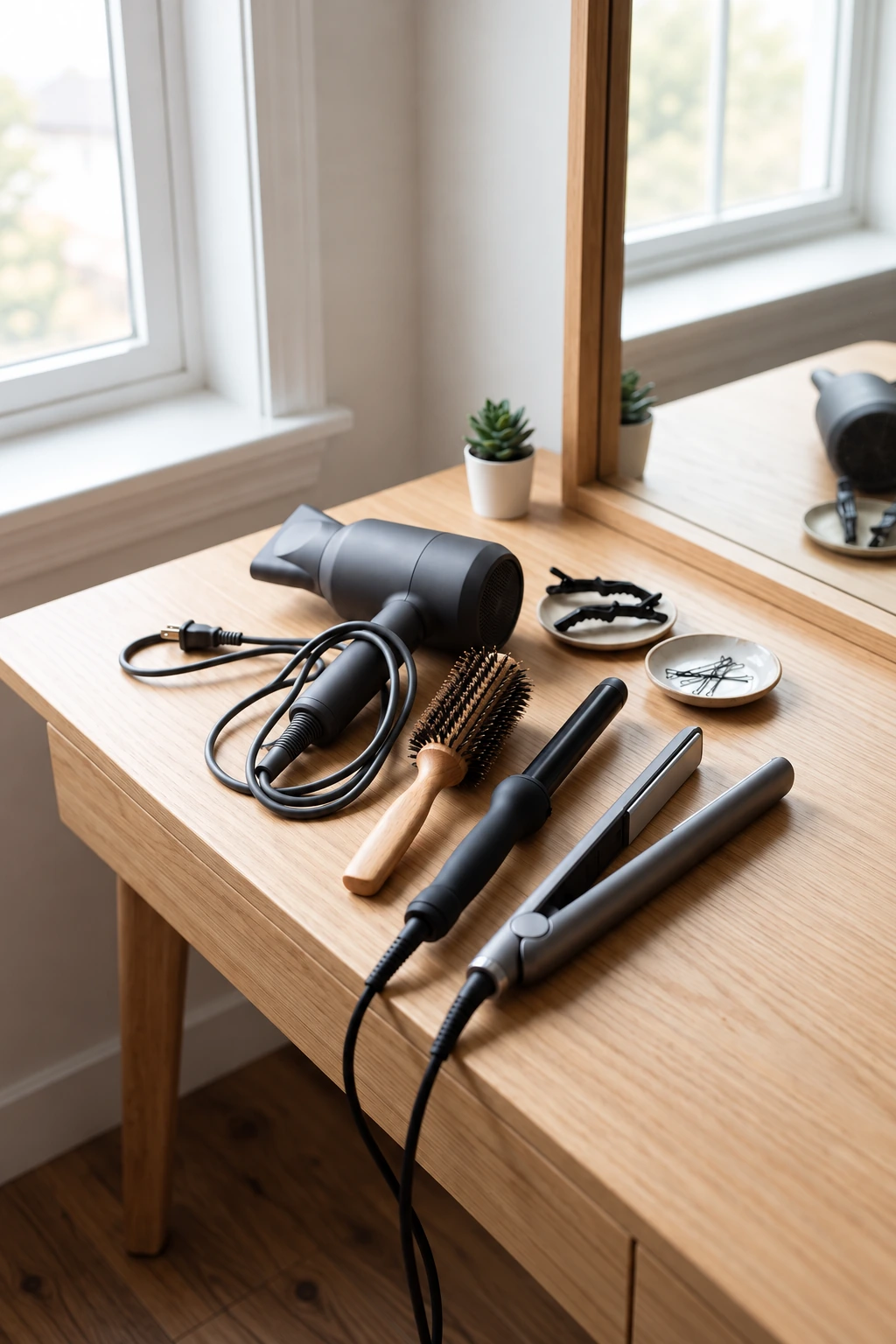
Three rules
Start here.
- Select a wattage between 1800 and 2000 watts for efficient drying power across most hair types, reserving lower wattages under 1500 strictly for fine or short hair.
- Verify that the dryer features independent heat and speed controls so you can pair high speed with low heat to help protect fragile strands from thermal damage.
- Confirm the inclusion of a concentrated nozzle and a diffuser attachment to direct airflow precisely or dry natural texture while helping to manage frizz.
A styling reference, not a product photo.
What defines it
The basics
Choosing a hair dryer starts with understanding how airflow and thermal energy interact with the hair shaft. A dryer is not just a heat source; it is a precision tool that uses mechanical airflow to evaporate water and thermal energy to set the hair's hydrogen bonds into your desired shape. When you match the dryer's capabilities to your hair's density, texture, and porosity, you may reduce drying time and minimize cuticle stress.
The primary components that define a hair dryer's performance are the motor, the heating element, and the internal technology. AC motors offer heavy-duty airflow and longevity, making them ideal for thick or long hair, while DC motors are lightweight and compact, suited for fine hair or travel. Heating elements use ceramic, tourmaline, or titanium to distribute thermal energy. Ceramic provides gentle, even heat; tourmaline is marketed as emitting negative ions intended to help smooth the cuticle; and titanium conducts high, rapid heat that requires careful handling on delicate strands.
Beyond the internal mechanics, external features determine how comfortably and safely you can style your hair. Multiple heat and speed settings allow you to adjust the thermal output as hair dries, shifting from high heat on soaking wet hair to cool air to help set your style. Attachments like concentrator nozzles and diffusers change how the airflow hits your hair, transforming a general drying tool into a specialized styling instrument for straight, wavy, or curly textures.
Repeatable combinations
Formulas to try
- Wattage selection based on hair density
- Match the appliance's electrical power to your hair's volume and length. Fine or short hair dries quickly with a 1400 to 1600-watt dryer, avoiding excessive heat exposure. Thick, coarse, or long hair requires an 1800 to 2000-watt motor to generate sufficient airflow to evaporate moisture efficiently without forcing you to hold the tool in one spot for too long.
- The two-stage temperature transition
- Begin drying your hair on medium or high speed combined with medium heat when the hair is soaking wet, as water acts as a thermal shield. As hair reaches eighty percent dryness, switch to a lower heat setting to help protect the cuticle from direct thermal stress. Finish every styling session with the cool shot button for thirty seconds on each section to help set the shape.
- Concentrator nozzle alignment for sleek styles
- Attach the narrow concentrator nozzle when blow-drying straight or wavy hair smooth. Hold the dryer so the nozzle points downward along the hair shaft from roots to ends, smoothing the cuticle flat with a round or paddle brush. Never press the nozzle directly against the brush or hair, maintaining at least an inch of distance to prevent localized overheating.
- Diffuser cup usage for natural curls and coils
- Swap the concentrator for a wide bowl diffuser when drying curls, coils, or waves. Set the dryer to low speed and low heat to help prevent disrupting the curl pattern. Rest sections of hair gently inside the diffuser bowl and lift toward the scalp, holding for twenty to thirty seconds before moving to the next section. This method dries the hair evenly from root to tip while helping to manage frizz.
- Weight and ergonomic balance testing
- Evaluate the physical weight of the dryer and the placement of the switches before purchasing. A heavy dryer weighing over two pounds can strain the wrist during extended styling sessions, particularly for thick hair. Look for a balanced center of gravity where the motor sits closer to the handle, and ensure the switches are positioned where your thumb will not accidentally change settings mid-drying.
Your needs, your plans
Before you choose
- Motor longevity and maintenance
- Look for dryers with removable rear filter caps. Dust, lint, and stray hairs accumulate in the intake filter over time, restricting airflow and causing the motor to overheat and burn out prematurely. Clean the filter screen every month by wiping away debris with a soft brush or cloth to help maintain optimal motor performance and extend the lifespan of the tool.
- Ionic technology and frizz control
- Ionic generators emit negative ions that are marketed to help break down water droplets into smaller molecules, potentially allowing moisture to penetrate the hair shaft while speeding up surface evaporation. If your hair is prone to frizz and coarse in texture, an ionic dryer is often found to help smooth the cuticle and reduce static. If your hair is very fine and lacks natural volume, you may prefer a non-ionic dryer or one with an off switch for the ion generator so you can maintain root lift.
- Cord length and safety features
- Check the electrical cord length, aiming for a minimum of eight to nine feet to allow comfortable movement around your styling station without pulling or tangling. Ensure the power cord includes an ALCI safety plug designed to shut off power immediately in the event of an electrical short or water immersion, which is standard for bathroom safety.
- Noise level and acoustic design
- High-powered motors generate significant noise, which can be fatiguing during daily routines. Some modern dryers feature acoustic dampening or brushless digital motors that operate at a lower decibel level. If you dry your hair early in the morning or in a shared space, consider testing the sound output or reading reviews specifically addressing motor noise.
From what you own
Build it and repeat it
Start by auditing your current hair type, drying habits, and styling goals before shopping for a new hair dryer. If you spend twenty minutes fighting frizz with an outdated travel dryer, upgrading to a full-sized 1800-watt model with ionic technology and a concentrator nozzle may fundamentally change your routine. Conversely, if you have fine, fragile hair that air-dries in ten minutes, a lightweight 1500-watt ceramic dryer with variable heat settings can help prevent the damage caused by overly aggressive commercial-grade motors.
Next, weigh the importance of attachments and ergonomics against your specific styling routine. If you wear your hair natural and curly, the inclusion of a well-designed diffuser is non-negotiable. If you blow out your hair straight every week, prioritize a secure concentrator nozzle and a comfortable handle weight. Narrow down your choices to models that meet your power and attachment requirements, then select the one that balances build quality, cord length, and maintenance features within your budget.
Keep exploring
Related guides
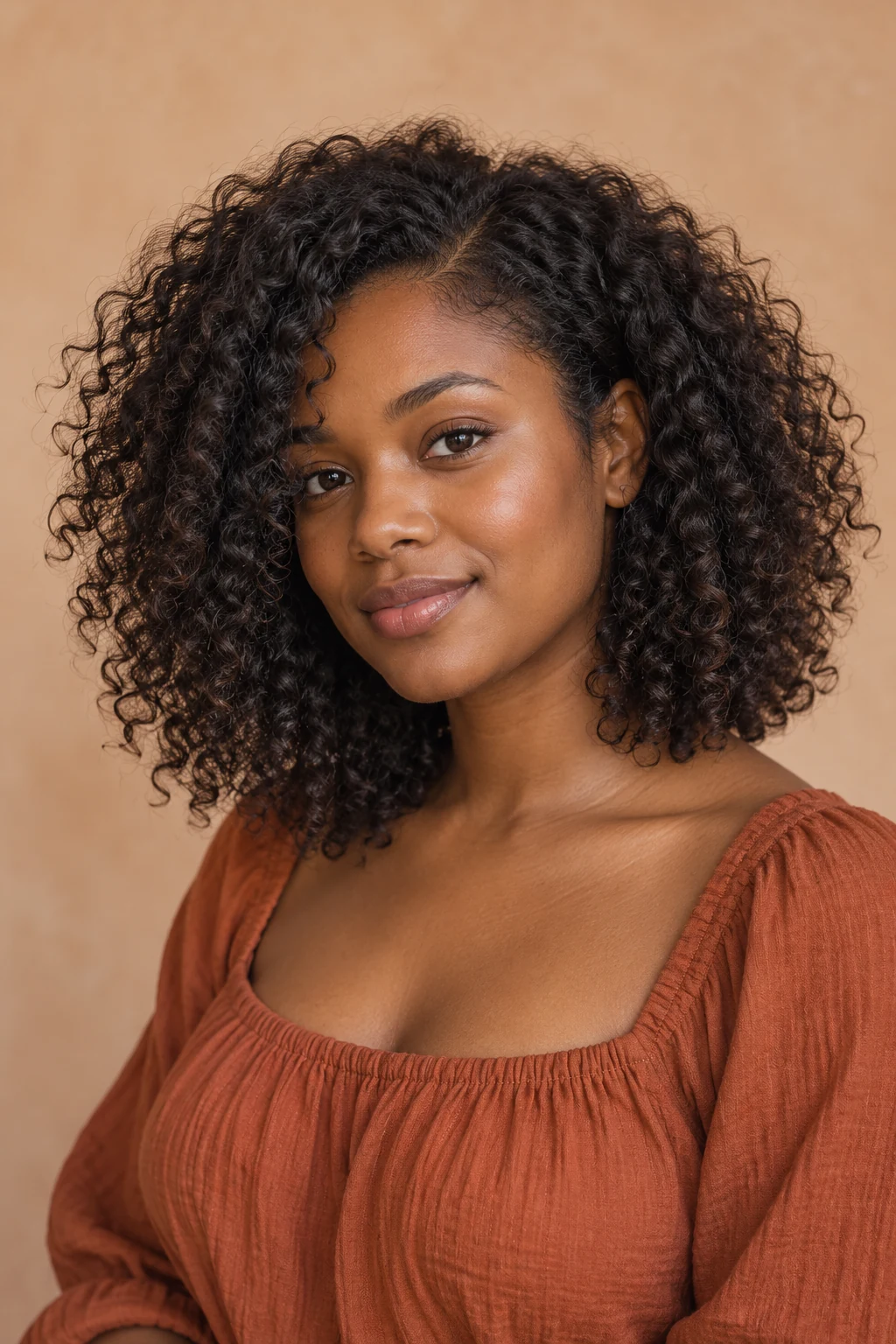 Everyday styles
Specific hairstyles like sleek blowouts or defined curls require dedicated dryer attachments and techniques, whereas the overall style dictates whether you need a concentrator or a diffuser.
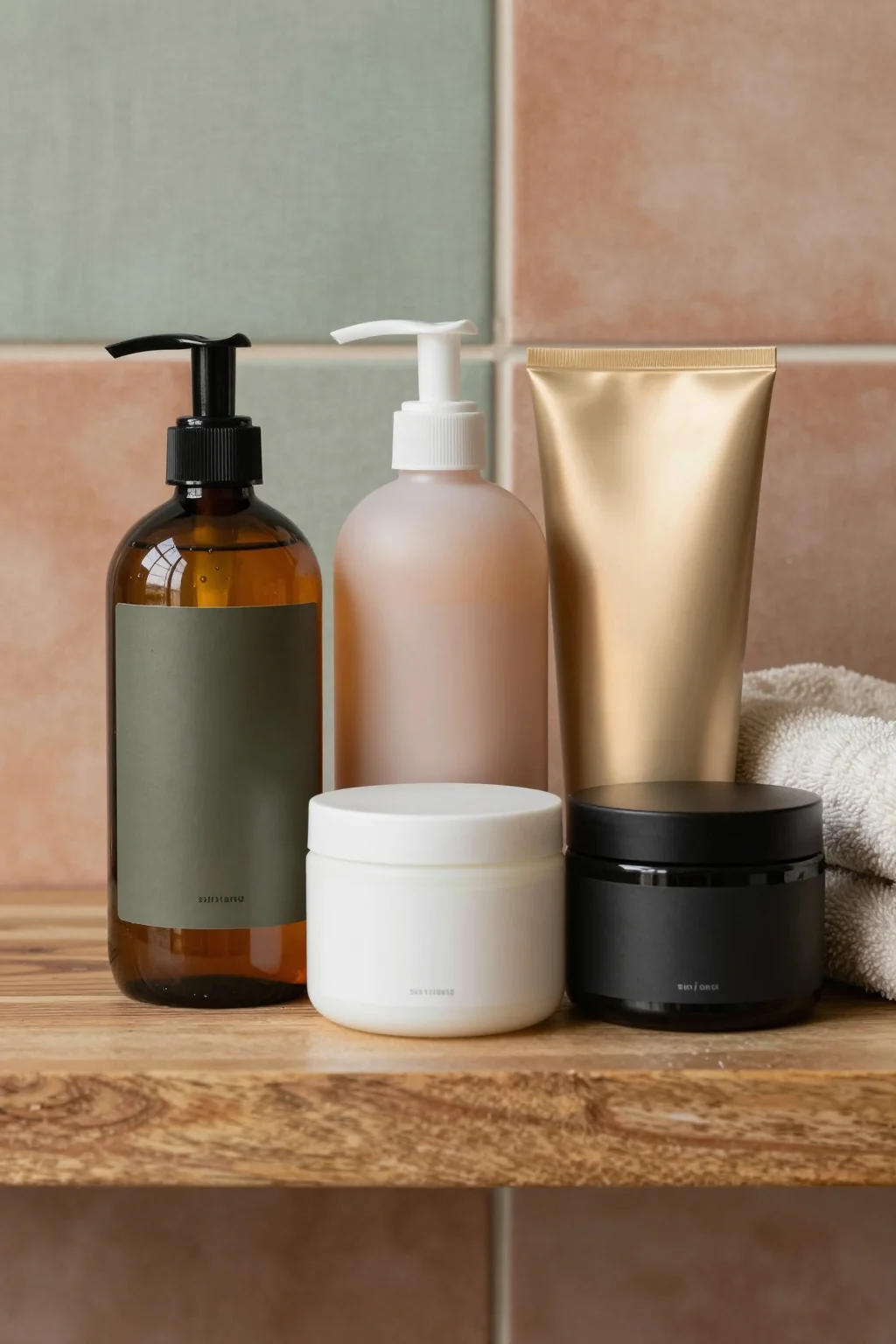 Care & wash day
Proper hair care routines help protect the lipid barrier and moisture balance, ensuring that the heat from a dryer is less likely to lead to brittleness or cuticle damage over time.
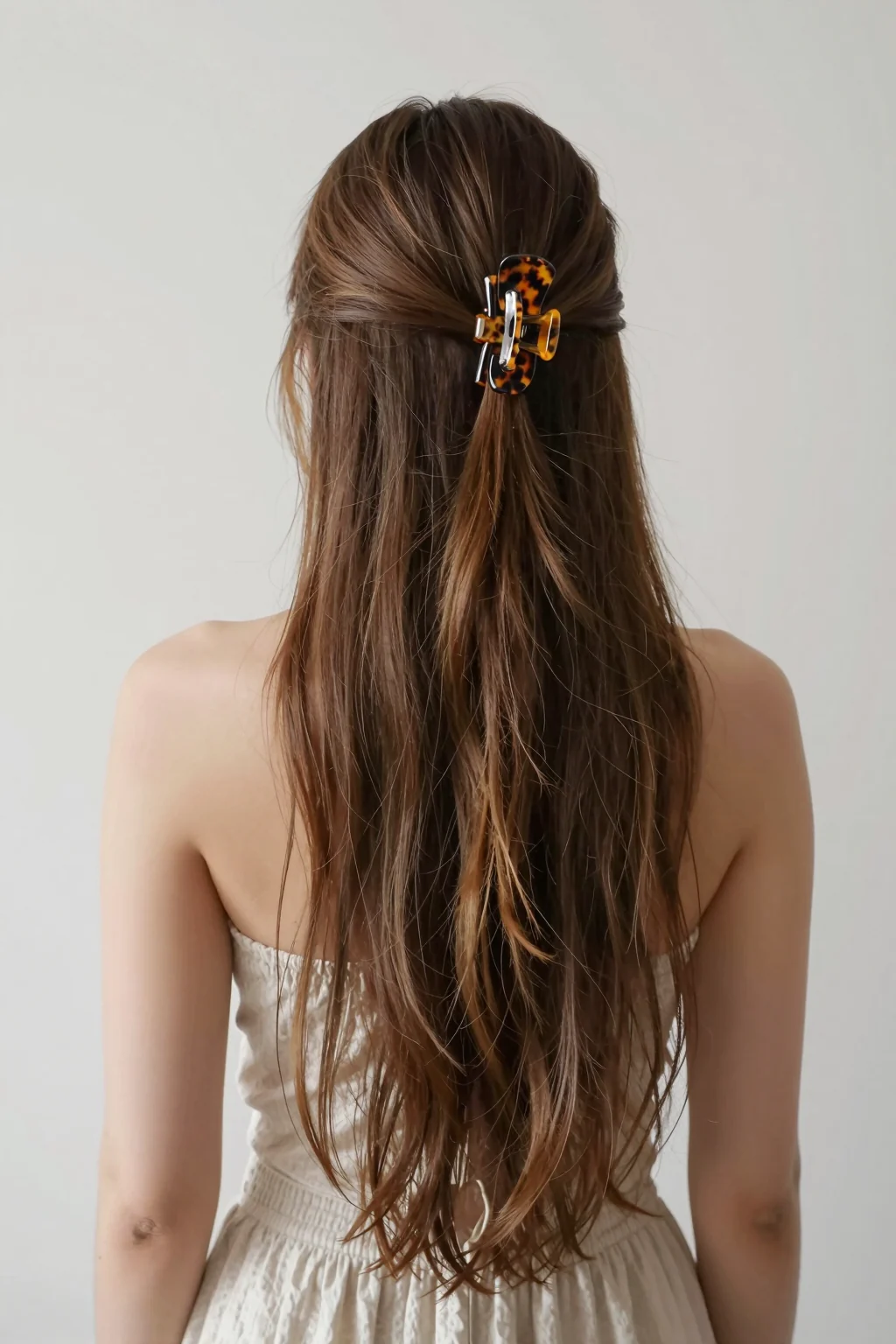 Clips & accessories
Styling accessories like sectioning clips and round brushes work in tandem with a hair dryer to tension and smooth the hair shaft effectively.
Questions
What is the difference between ceramic, tourmaline, and titanium hair dryers?
Ceramic heating elements provide gentle, even heat distribution that helps reduce hot spots. Tourmaline is a gemstone crushed and infused into internal components and marketed to generate high volumes of negative ions to help smooth the cuticle faster. Titanium is a lightweight metal that conducts very rapid, high heat; it is extremely durable and powerful, making it well-suited for thick, coarse, or highly resistant hair that requires professional styling speeds.
Do I really need a cool shot button on my hair dryer?
Many users find the cool shot button helpful for setting a hairstyle. When hair is warm, its hydrogen bonds are pliable and can be shaped into waves or straight lines. Applying a blast of cool air helps lock those bonds in place and adds shine while helping prevent your style from drooping or reverting to its natural texture throughout the day.
Why does my hair dryer smell like burning dust when I turn it on?
A burning dust smell usually indicates that lint, dust, or hair product residue has accumulated around the internal heating element or the rear intake filter. Unplug the dryer immediately, let it cool down, and remove the rear filter cap to clean away any trapped debris. Regular monthly cleaning helps prevent this buildup and keeps the motor operating safely.
Is higher wattage always better when choosing a hair dryer?
Not necessarily. Higher wattage, such as 2000 to 2200 watts, generates stronger airflow and higher heat, which is often necessary for thick, long, or coarse hair that holds water. However, if your hair is fine, thin, or damaged, high wattage can easily lead to over-drying and thermal stress. A moderate 1500 to 1800-watt dryer provides plenty of power for fine hair without overwhelming the strands.
Generated references, not tested products. .