Hair ideas / Care & wash day
How to reduce hair breakage: identifying snapping strands and fixing daily habits
Seeing short, uneven pieces of hair on your clothes or in your brush is frustrating when you are trying to grow your hair out. Breakage happens when the physical structure of the hair shaft weakens until the strand snaps, leaving you with rough ends and thinning lengths. Fixing it requires looking closely at how you handle your hair every single day.
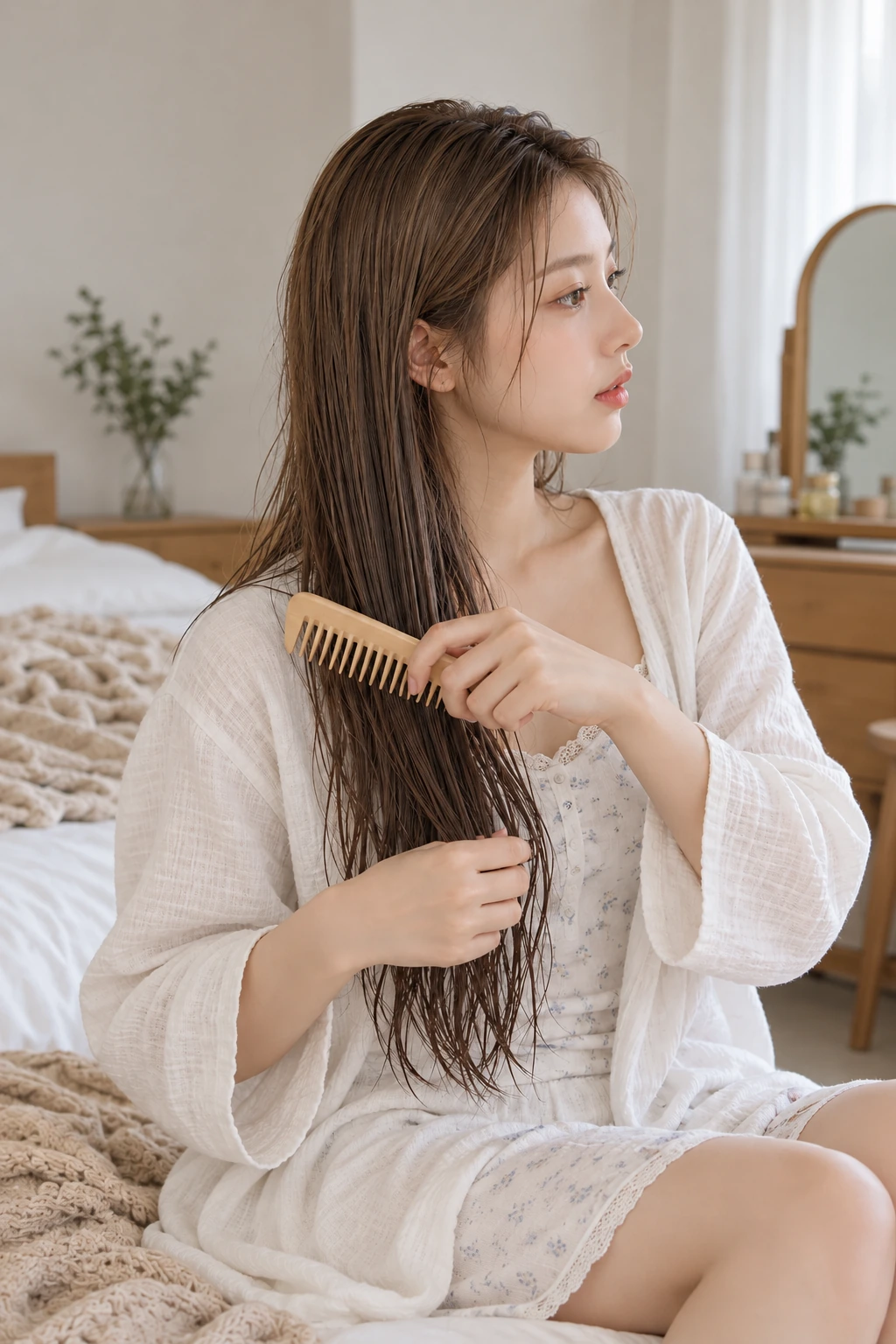
Three rules
Start here.
- Detangle your hair from the ends upward using a wide-toothed comb or flexible detangling brush, holding the hair above the knot to prevent pulling stress from transferring directly to the roots.
- Switch from a standard terrycloth bath towel to a smooth microfiber towel or a soft cotton t-shirt to remove excess water without roughing up the delicate hair cuticle.
- Protect your hair from friction during sleep by sleeping on a smooth satin or silk pillowcase or wearing a satin bonnet to help keep strands from catching and snapping.
A styling reference, not a product photo.
What defines it
The basics
Hair breakage occurs when the protective cuticle and the inner cortex of the hair strand become compromised, leading to structural failure and snapping. Unlike normal shedding, where the entire hair strand falls out from the root complete with a tiny white bulb at the end, broken hair consists of short or mid-length fragments with jagged, split, or blunt tips. If you collect hair from your brush or bathroom floor and notice varied lengths with no bulb attached, you are dealing with breakage rather than natural hair fall.
The primary drivers of breakage are mechanical stress, moisture imbalance, and cumulative friction. Mechanical stress includes pulling wet hair with fine-toothed combs, securing tight ponytails with rubber bands, and aggressive towel drying. Moisture imbalance happens when hair lacks sufficient hydration, making it brittle and inflexible like a dry twig, or when it absorbs too much water and swells repeatedly. Friction occurs continuously against cotton pillowcases, wool scarves, and rough clothing collars, which abrade the outer cuticle layer until the cortex exposed underneath cracks and snaps.
Understanding the distinction between breakage and shedding is essential because the solutions are entirely different. Shedding is a normal biological process governed by the hair growth cycle, and losing fifty to one hundred hairs a day is standard. You cannot stop normal shedding with a better conditioner. Breakage, on the other hand, can often be minimized and stems from physical damage, styling habits, and environmental wear. By changing how you wash, dry, detangle, and protect your hair, you may drastically reduce the number of snapping strands and help preserve your overall length.
Repeatable combinations
Formulas to try
- Gentle wet detangling method
- Apply a slippery rinse-out conditioner or detangling spray to damp hair after washing. Divide your hair into four to six manageable sections. Start combing at the very ends of the hair, gently working out any tiny tangles before moving a few inches higher up the strand. Never force a comb through a knot from the roots down, as this catches multiple strands and snaps them in half.
- Moisture and protein balancing
- Alternate between hydrating moisture masks and light protein treatments based on how your hair feels. If your hair stretches excessively and feels mushy when wet, it may benefit from a gentle protein boost to help improve internal strength. If it feels stiff, wiry, and snaps easily with zero stretch, it needs deep moisture. Balance helps keep the hair shaft flexible enough to bend without breaking under normal styling pressure.
- Friction-free drying routine
- After washing, gently squeeze or press excess water out of your hair using a microfiber towel or an old cotton t-shirt. Avoid rubbing, twisting, or wrapping your hair in a heavy turban that pulls at the hairline and creates intense friction across the strands. Let your hair air dry partially before using any thermal styling tools.
- Protective low-manipulation styling
- Reduce daily handling by wearing loose braids, low buns, or soft claw-clip updos that keep your hair out of the way without pulling on the scalp. Avoid tight ponytails, high buns secured with hair ties containing metal clasps, and constant brushing throughout the day. The less you touch and manipulate your hair, the fewer opportunities there are for mechanical breakage to occur.
- Low-heat thermal management
- If you use a blow dryer, flat iron, or curling wand, always apply a silicone-free or lightweight heat protectant spray first, and set your tools to the lowest effective temperature setting. Never use hot tools on soaking wet hair, as the rapid expansion of water trapped inside the cortex can create steam bubbles that stress and potentially split the hair shaft from the inside out.
Your needs, your plans
Before you choose
- Hair elasticity and the stretch test
- Test your hair's internal health by taking a single wet strand and gently pulling both ends. Healthy hair will stretch slightly and return to its original length without snapping. If it snaps immediately with zero stretch, it lacks moisture. If it stretches like a rubber band and fails to snap back or tangles into a knot, it lacks protein. Adjust your routine to address whichever imbalance your hair shows.
- Hair ties and accessory damage
- The tools you use to hold your hair back can be silent breakers. Traditional elastic bands with metal connectors, thin rubber bands, and tight plastic hair ties trap individual hairs and can slice through them over time. Switch to seamless elastic bands, silk scrunchies, or coated spiral hair ties that help distribute pressure evenly and slide out of the hair without snagging or pulling out broken pieces.
- Chemical processing and cumulative damage
- Bleaching, permanent hair coloring, chemical straightening, and perms alter the internal disulfide bonds of the hair shaft, making the strands progressively more fragile with each session. If you color or chemically process your hair, you should step up your conditioning routine, space out your chemical treatments, and consider using bond-building products to help reinforce the internal structure against snapping.
- Environmental exposure and weather
- Sun, wind, and dry indoor heating strip moisture from the hair shaft, leaving strands brittle and prone to wind-tangled breakage. In winter, wearing wool scarves and heavy coats creates intense friction against the back of your neck and shoulders where hair rests. Tuck your hair inside your coat collar or wear a satin-lined winter hat to help shield delicate ends from abrasive fabrics.
From what you own
Build it and repeat it
[object Object]
[object Object]
Keep exploring
Related guides
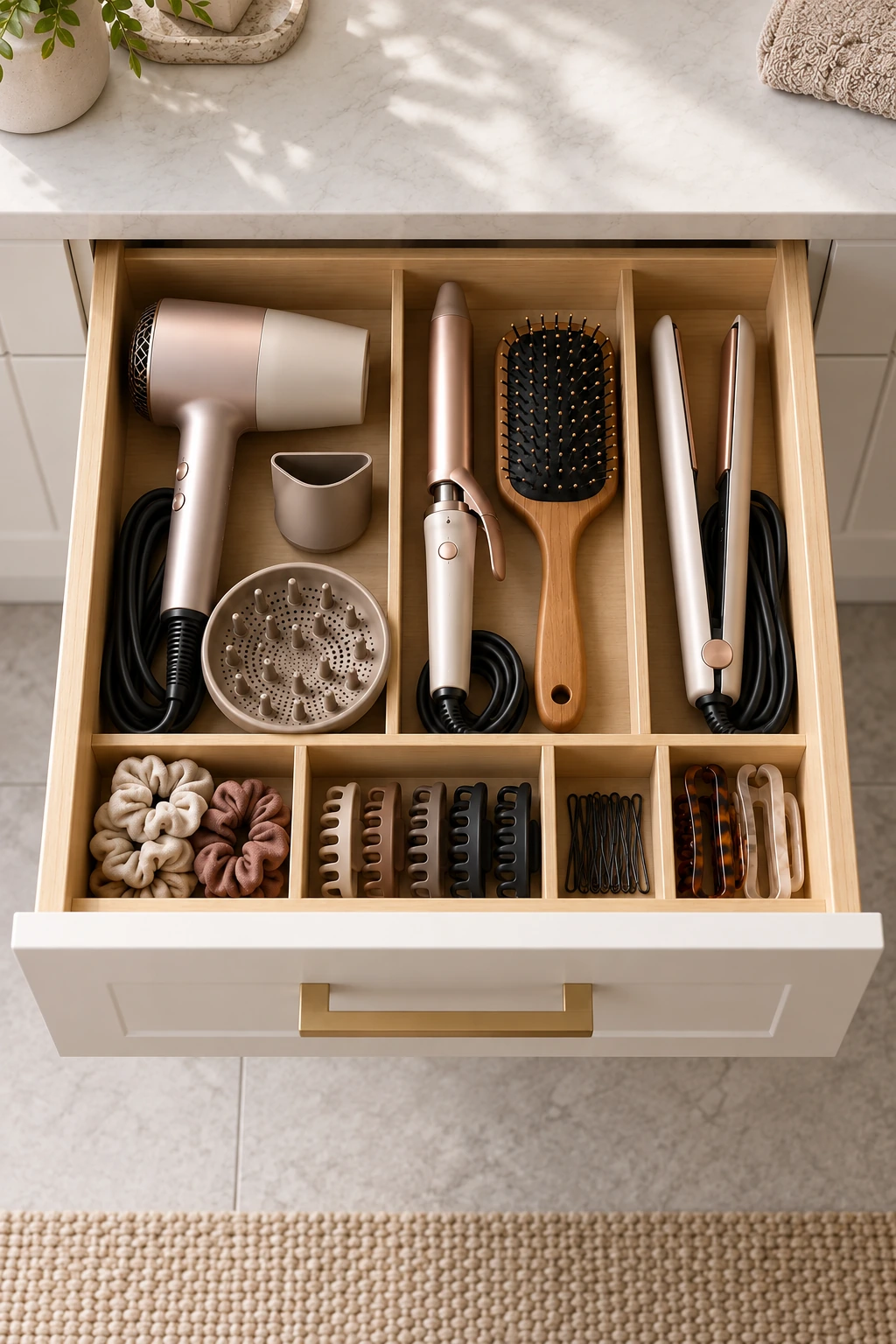 Tools & products
Using the right wide-toothed combs and flexible detangling brushes helps prevent the mechanical snapping caused by cheap, rigid styling tools.
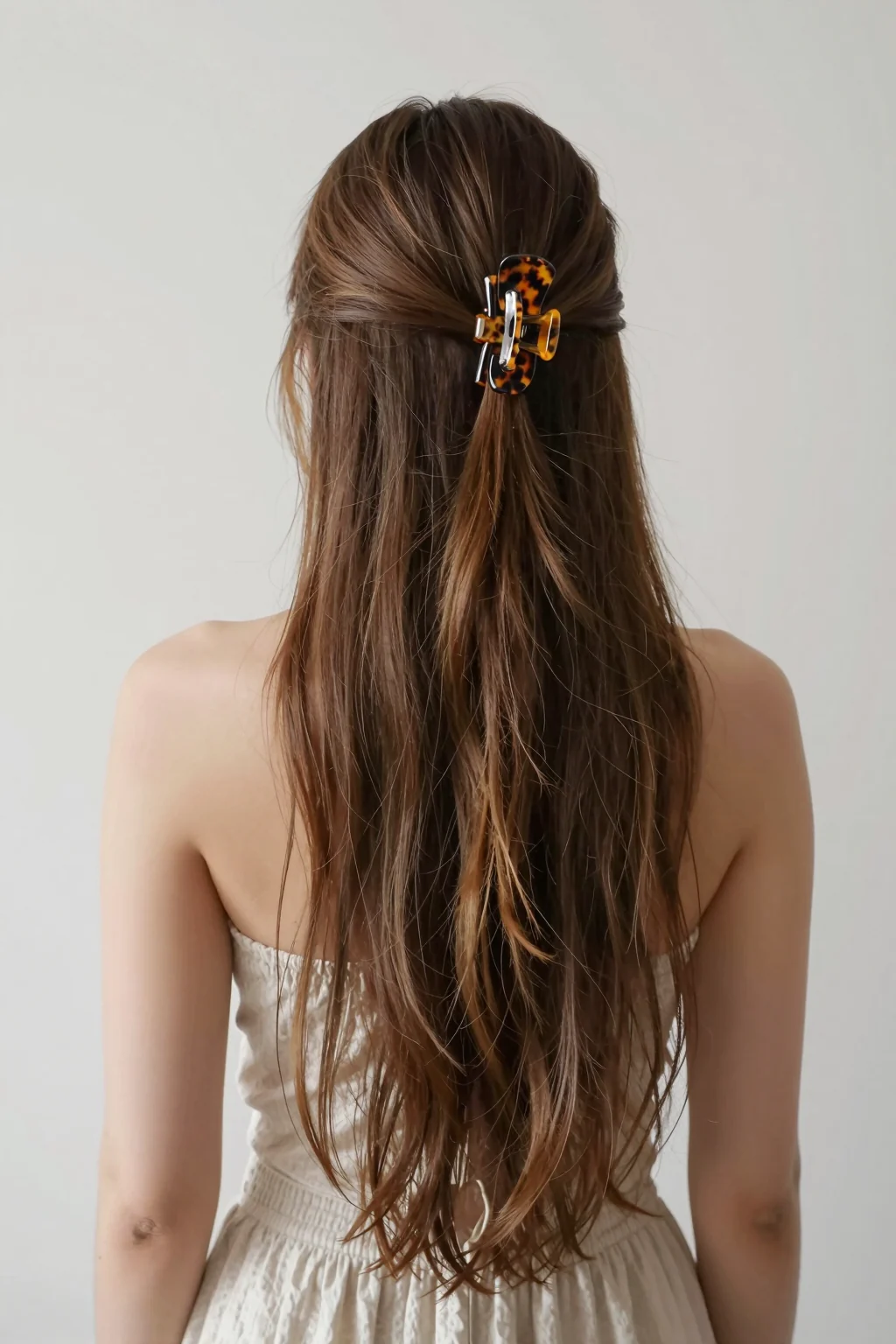 Clips & accessories
Upgrading from metal-clasped hair elastics to soft silk scrunchies helps eliminate the friction points that can snap hair during daily ponytails.
Questions
How can I tell the difference between normal hair shedding and hair breakage?
Normal shedding occurs when an entire hair falls out from the follicle, leaving a tiny white or translucent bulb at the root end. Breakage happens when the hair shaft itself snaps somewhere along the length, leaving behind short or mid-length pieces with rough, uneven, or split ends and no root bulb attached.
Can split ends travel up the hair shaft and cause more breakage?
Yes. Once the protective cuticle at the tip of a hair strand splits, the tear can progress further up the cortex like a frayed rope, weakening the entire length of the hair until it snaps off completely. Trimming split ends early helps prevent them from traveling higher and causing more severe breakage.
Why does my hair keep breaking even though I do not use heat styling tools?
Heat is only one cause of breakage. Mechanical friction from cotton pillowcases, rough towel drying, pulling tangles out with fine-toothed combs, tight ponytails, chemical processing, and severe dryness can all cause hair to snap even if you never touch a blow dryer or flat iron.
How long does it take for hair to stop breaking after changing my routine?
You may notice a reduction in new broken hairs on your clothes and brushes within two to four weeks of adopting gentler habits, using a microfiber towel, and detangling from the ends up. However, existing damaged and split sections already along your lengths cannot truly be repaired and will eventually need to be trimmed off as your new, healthier hair grows in.
Generated references, not tested products. .