Hair ideas / Care & wash day
Scalp care routine for oily scalp: wash frequency, double cleansing and avoiding roots
An oily scalp produces sebum faster than average, leaving your roots greasy just a day after washing while your ends stay dry. Your routine needs to target the scalp without stripping the lengths.
Three rules
Start here.
- Wash your hair as frequently as your scalp dictates, whether that means every day or every other day, rather than forcing an arbitrary schedule that lets sebum accumulate and weigh down your roots.
- Double cleanse during wash days when your scalp feels particularly heavy, using a clarifying or scalp-balancing shampoo for the first pass and your regular shampoo for the second.
- Keep all heavy conditioners, masks, and styling creams below the ear line, applying them only to the mid-lengths and ends where natural oils cannot easily reach.
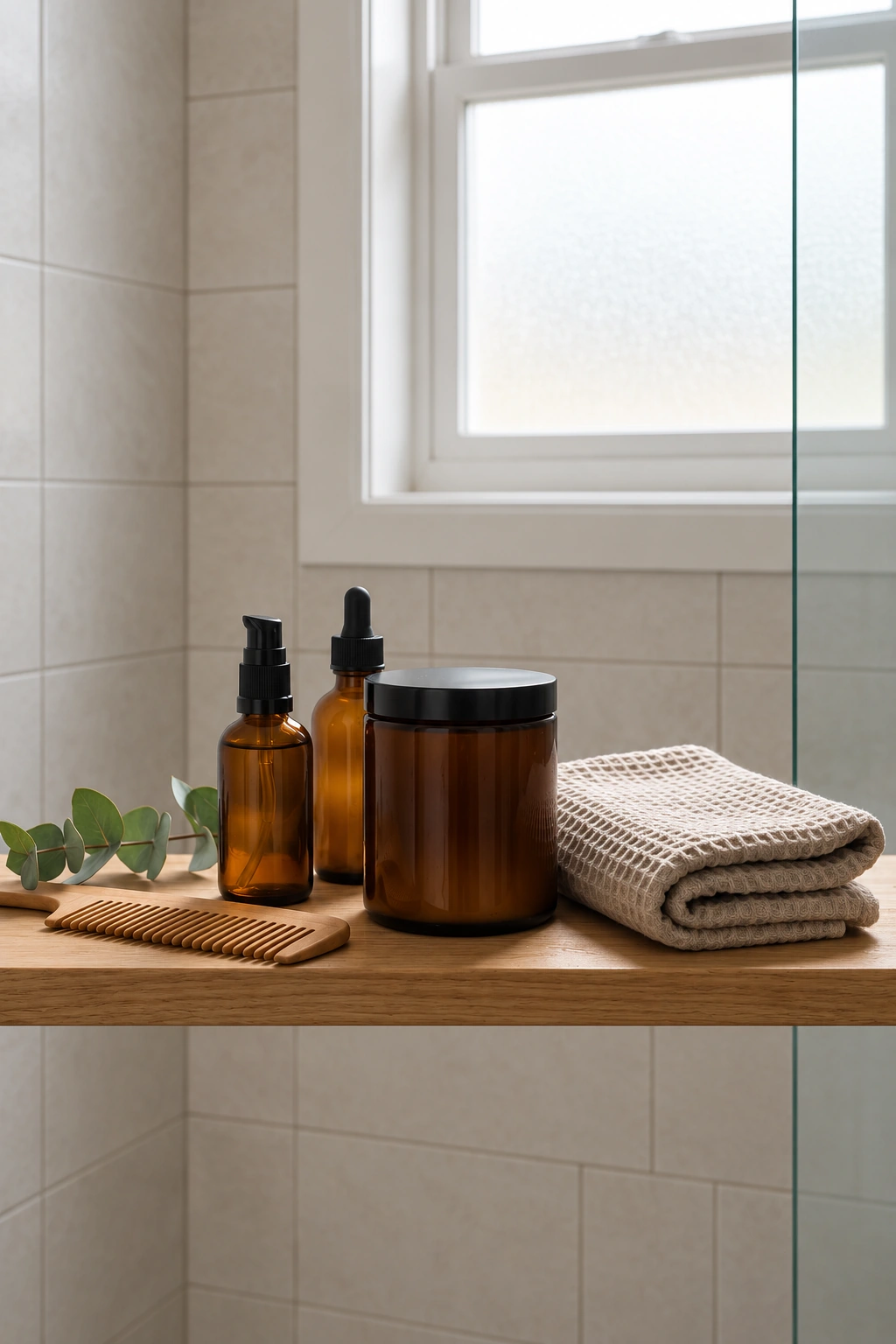
A styling reference, not a product photo.
What defines it
The basics
An oily scalp describes a condition where the sebaceous glands in the skin of the head produce excess sebum. This oil migrates down the hair shaft over the course of twenty-four to forty-eight hours, causing the roots to look flat, shiny, and unwashed while the mid-lengths and ends remain normal or dry. This is a physiological trait driven by genetics, hormones, or environmental factors rather than a personal hygiene failure.
What makes a routine work for an oily scalp is separating scalp maintenance from hair conditioning. Treating the whole head with heavy, moisturizing products compounds the root oiliness while failing to nourish the dry ends. Instead, the cleansing step must effectively break down excess sebum at the follicle level, while the conditioning step remains strictly focused on the lower half of your hair. Adjusting your wash frequency prevents sebum buildup from clogging follicles and irritating the skin.
This is not the same as having greasy hair due to product buildup, though the two often look similar. Product buildup comes from styling creams, dry shampoo residue, and silicone-based serums coating the strands and scalp. An oily scalp produces its own natural lipids continuously. Managing this requires a targeted cleansing schedule, strategic double cleansing on high-sebum days, and a careful product application technique that keeps heavy formulas away from the crown.
Repeatable combinations
Formulas to try
- The double-cleanse method for heavy sebum
- Wet your hair thoroughly with warm water, then apply a quarter-sized amount of a clarifying or scalp-focused shampoo directly to your scalp. Massage with your fingertips in circular motions for sixty seconds to break down stubborn sebum, sweat, and residue, then rinse completely. Follow with a second shampoo pass using your regular formula to cleanse the hair strands without over-drying, rinsing thoroughly with lukewarm water.
- Targeted conditioning from mid-length to ends
- After washing out your shampoo, squeeze excess water from your hair and apply a lightweight conditioner starting at the mid-lengths and working down to the tips. Avoid getting any conditioner within three to four inches of your scalp, as this adds unwanted weight and accelerates root greasiness. Leave the product on for one minute, then rinse with cool water to help refresh the hair and add natural shine.
- Pre-shampoo scalp massage for buildup
- Before wetting your hair on wash day, use a soft silicone scalp brush to gently massage your scalp in small circles for three minutes. This mechanical action may help lift flaky skin cells, dried sweat, and stubborn oil deposits from the surface of the scalp so your shampoo can wash them away more effectively. Move systematically from your hairline to the nape of your neck, applying gentle pressure without scratching the skin.
- Strategic dry shampoo application
- On non-wash days when your roots begin to look slick, apply dry shampoo directly to the oily sections from a distance of eight to ten inches. Let the product sit for two minutes to absorb excess oil before massaging it in with your fingertips and brushing through with a clean bristle brush. Avoid layering dry shampoo for more than two consecutive days without a proper wash, as powder and starch residue can mix with sebum and clog follicles.
- Diluted shampoo rinse for daily washers
- If you wash your hair every day due to high sebum production, mix your shampoo with a small splash of water in your palms before applying it to your scalp. This pre-dilutes the surfactant concentration, making the cleanser gentler for daily use while still effectively removing surface oil. Focus the lather entirely on the scalp and let the suds gently cleanse the lengths as you rinse.
Your needs, your plans
Before you buy
- Wash frequency adjustments
- Do not force yourself to skip wash days if your scalp produces enough oil to cause discomfort, itching, or odor. While some hair types thrive on infrequent washing, an oily scalp benefits from regular cleansing to keep follicles clear. Listen to your scalp rather than trends; if your roots look greasy twenty-four hours after washing, your scalp needs a more frequent cleansing routine.
- Water temperature during washing
- Wash your scalp with warm water, which helps dissolve and lift excess sebum and product residue from the follicles. Finish your shower with a cooler rinse to help refresh the skin on your scalp. Avoid scalding hot water, as high temperatures can irritate the scalp and sometimes trigger sebaceous glands to produce more oil to compensate for dryness.
- Styling product placement
- Keep all leave-in treatments, smoothing creams, and oils away from your scalp. Apply styling products only to damp ends and mid-lengths, and wash your hands thoroughly after application before touching your hair near the crown. If you use styling mousses or volume sprays at the roots, choose lightweight, alcohol-free formulas that do not leave a sticky residue behind.
- Pillowcase and brush hygiene
- Wash your pillowcases at least once a week in hot water to remove transferred facial oils, sebum, and hair product residue that can coat your hair while you sleep. Clean your hairbrushes and combs weekly by removing stray hairs and washing them with mild soap and warm water. Dirty tools redeposit old oil and styling buildup right back onto your freshly washed scalp.
From what you own
Build it and repeat it
Start by overhauling your wash-day technique and product placement before purchasing specialty products. The most common mistake with an oily scalp is applying heavy, moisturizing shampoos and thick conditioners all over the head, which treats dry ends at the expense of greasy roots. Shift your focus so that cleansing is dedicated entirely to the scalp and roots, while conditioning is reserved strictly for the lower half of your hair. This simple adjustment stops the cycle of heavy residue buildup at the crown.
Next, evaluate your wash frequency and establish a consistent routine that matches your sebum production. If you have been trying to stretch wash days because of advice intended for dry or curly hair types, give yourself permission to wash more often. Incorporate a double-cleanse method on days when your scalp feels particularly heavy, and keep heavy styling creams and oils far away from your roots. By addressing oil at the follicle level and protecting your dry ends, your scalp will feel balanced and your roots will stay fresh longer.
Shop the pieces
11 care & wash day pieces
Links open similar items, not the pictured ones.
-
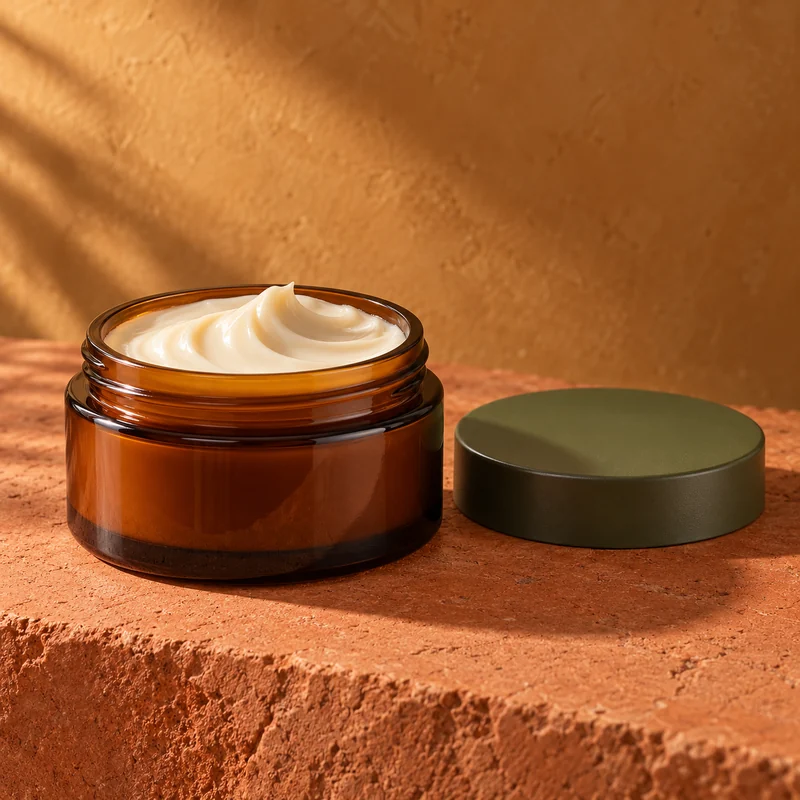
L’Oréal Paris Elvive rinse-out balm mask, 8.5 fl oz
What to check
Similar rinse-out conditioning mask, not the unbranded illustrated jar. This is not a leave-in or overnight product. Compare ingredients, including almond oil and protein, and follow the actual label directions. Repair claims on the listing are manufacturer claims, not our testing.
-
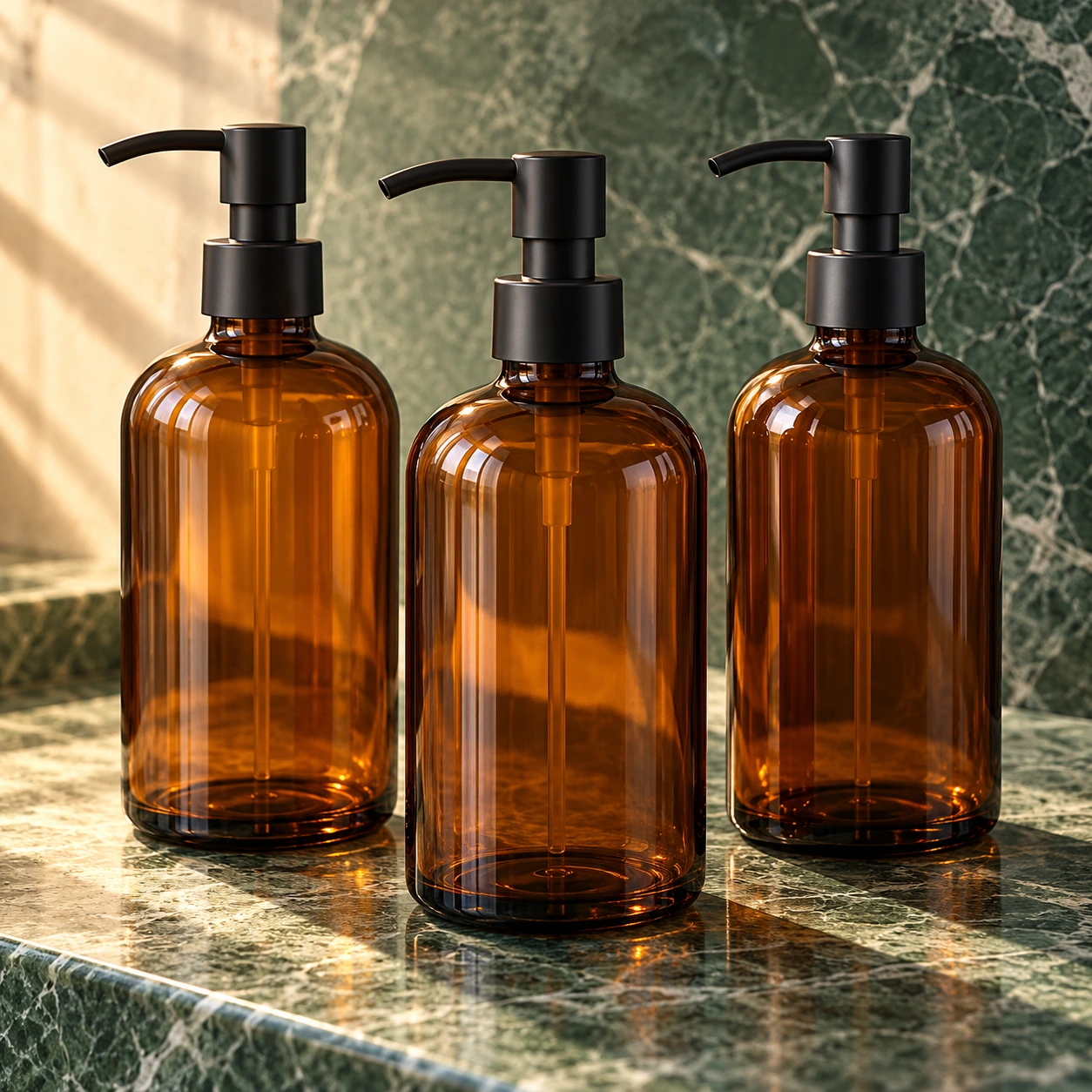
Brighter Barns amber refillable pump bottles, 16 oz, set of 3
What to check
Similar empty refillable bottles, not shampoo or conditioner formulas. This set has three 16 oz PET plastic bottles with printed labels and metal pumps, rather than the unbranded reference containers. Check compatibility with your refill and clean according to the maker’s directions. Some buyers report pump durability issues.
-
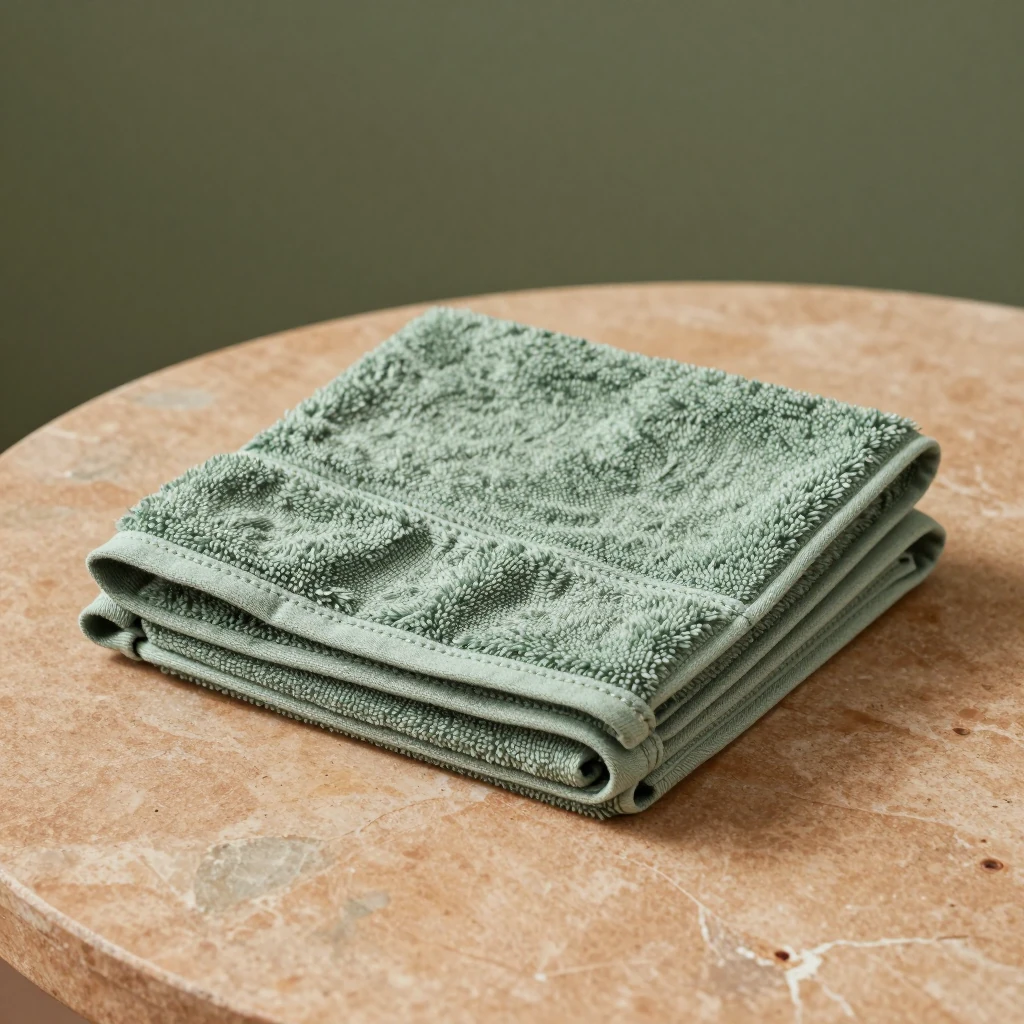
SKL Home CloudSoft cotton hand towels, Sage, 2 pack
What to check
Similar flat folded bathroom towels, 16 × 28 inches each, in sage cotton terry. These are hand towels for the wash-day surface, not a fitted hair turban or an anti-frizz treatment. The square item illustration shows one sage towel; the selected listing contains two. Colour and texture differ from some reference scenes. Follow the actual care label.
-
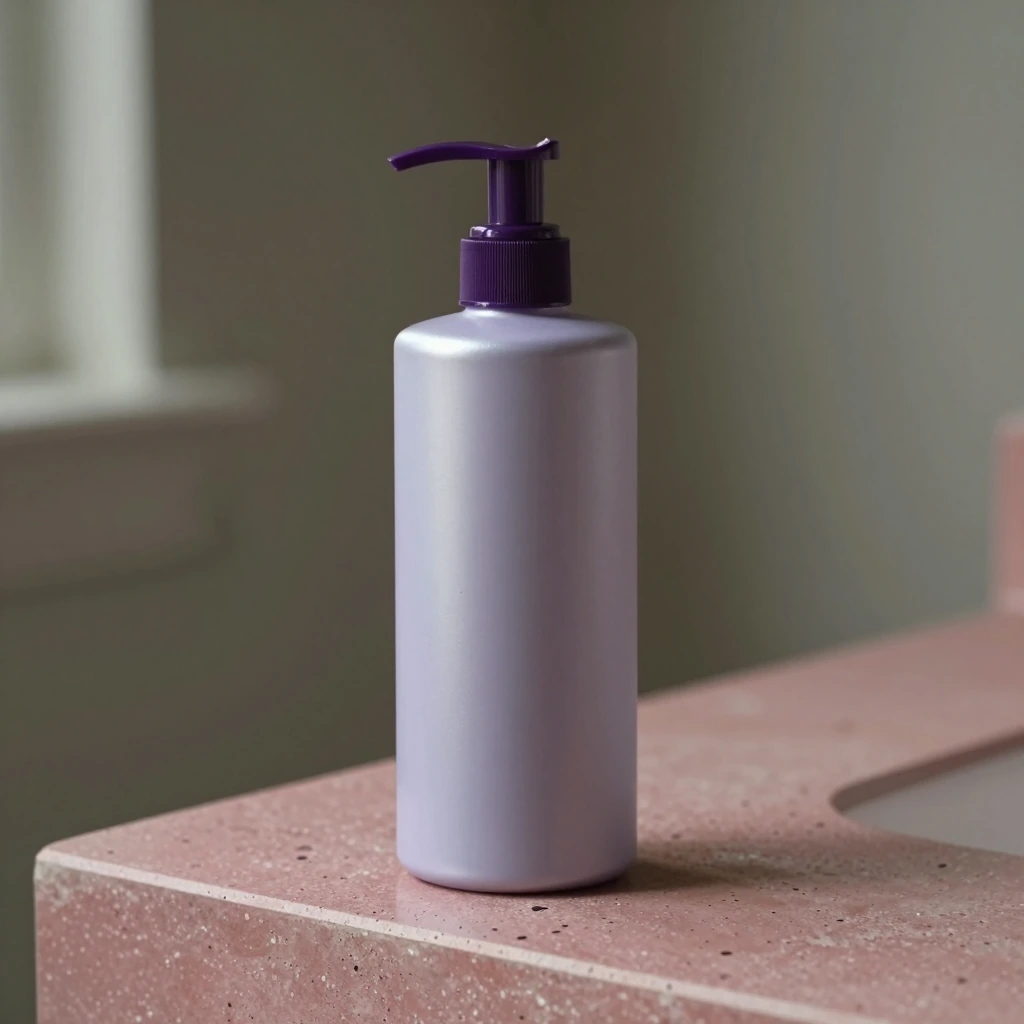
L’Oréal Paris EverPure Silver Care shampoo for gray hair, 8.5 fl oz
What to check
Optional cleansing care for gray or silver hair, not a dye, bleach or a way to create the pictured silver colour. This is the single 8.5 fl oz shampoo, not the conditioner set or the separate purple-toning formula. Follow the current label and compare ingredients and fragrance. Brightening and nourishing descriptions are manufacturer claims, not our tested results.
-
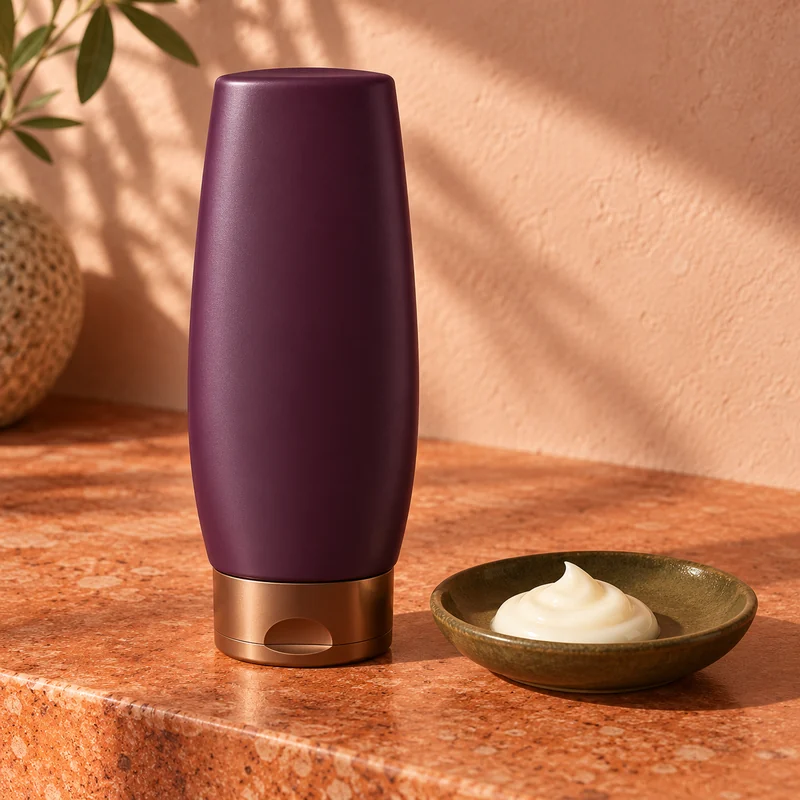
Aussie Miracle Moist conditioner with avocado and jojoba oil, 26.2 fl oz
What to check
Similar everyday rinse-out conditioner, applied in the shower and rinsed. It is not a mask or a leave-in. Moisture wording is the manufacturer’s claim; follow the label’s amount and timing.
-
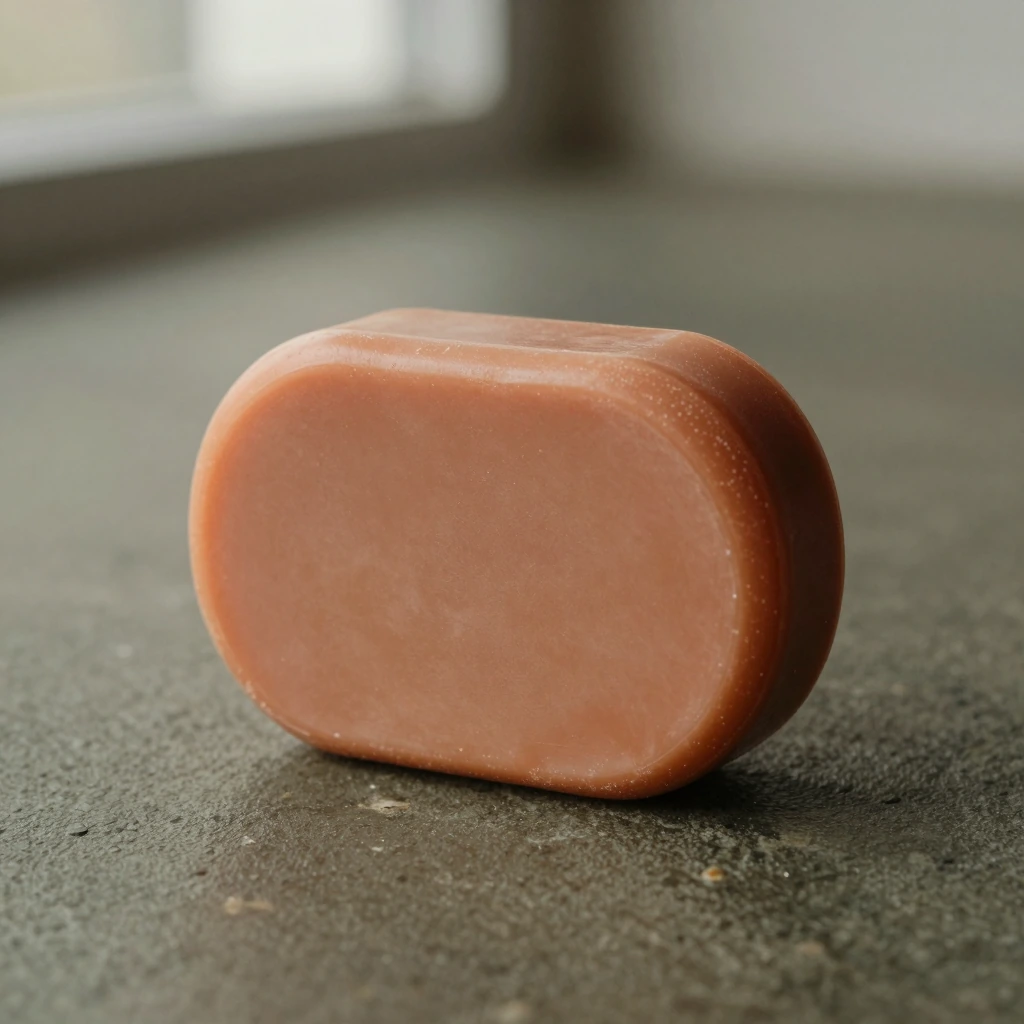
Kitsch rice-water shampoo bar, 3.5 oz
What to check
Similar solid cleansing bar, not proof of the pictured bar’s formula or brand. Follow its current ingredient and washing directions, and allow the bar to drain between uses. The listing markets growth/repair benefits; these are not independently tested or promised here. Reviews differ on dryness, fragrance and how long a bar lasts.
-
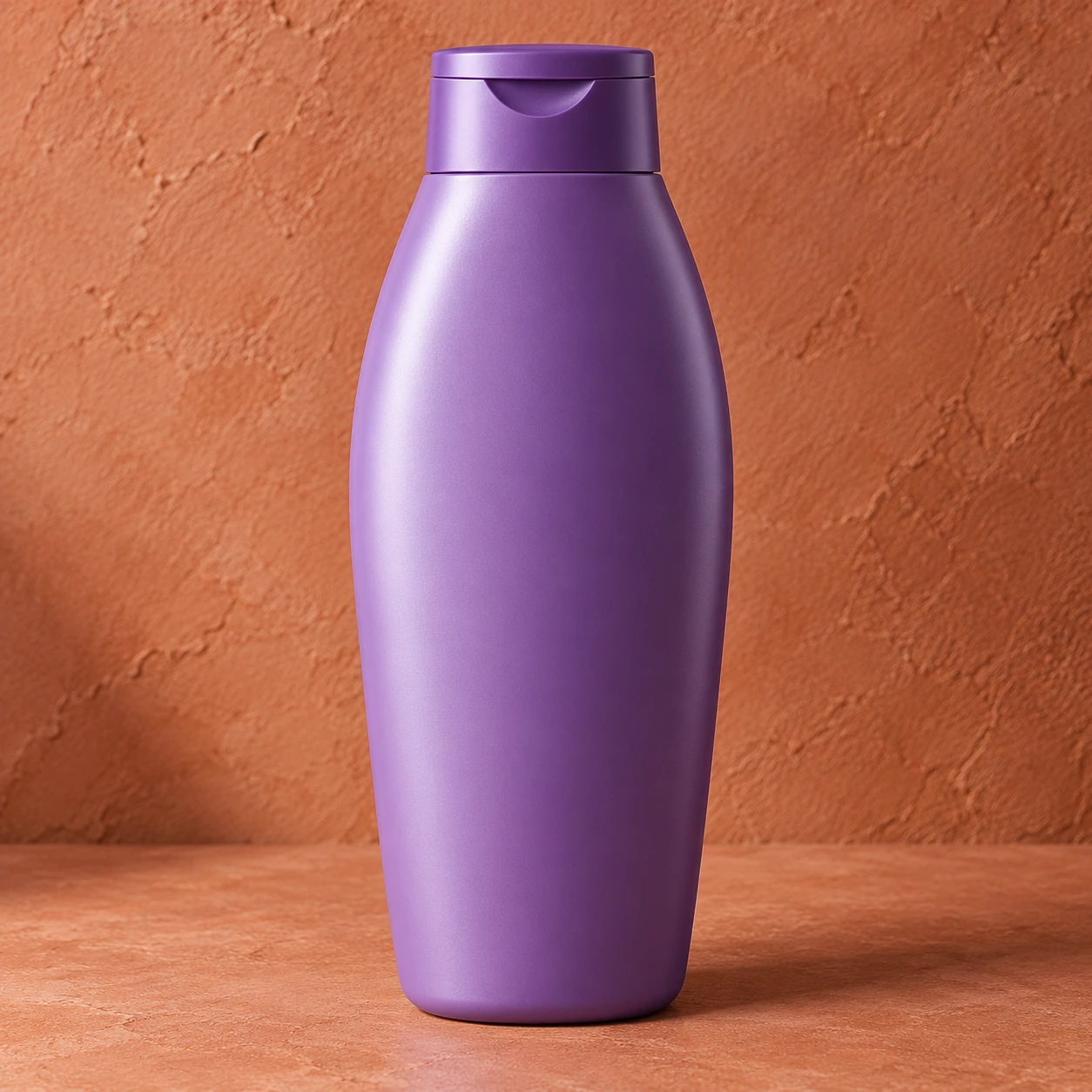
Clairol Professional Shimmer Lights purple shampoo, 8 fl oz
What to check
Optional purple toning shampoo for suitable blonde, highlighted or silver hair. It targets unwanted yellow tones; it does not bleach dark hair or reproduce the illustrated shade. This is the single 8 fl oz shampoo, not conditioner. Follow its label frequency and timing; compare ingredients and rinse carefully. Review feedback includes dryness and scent concerns.
-
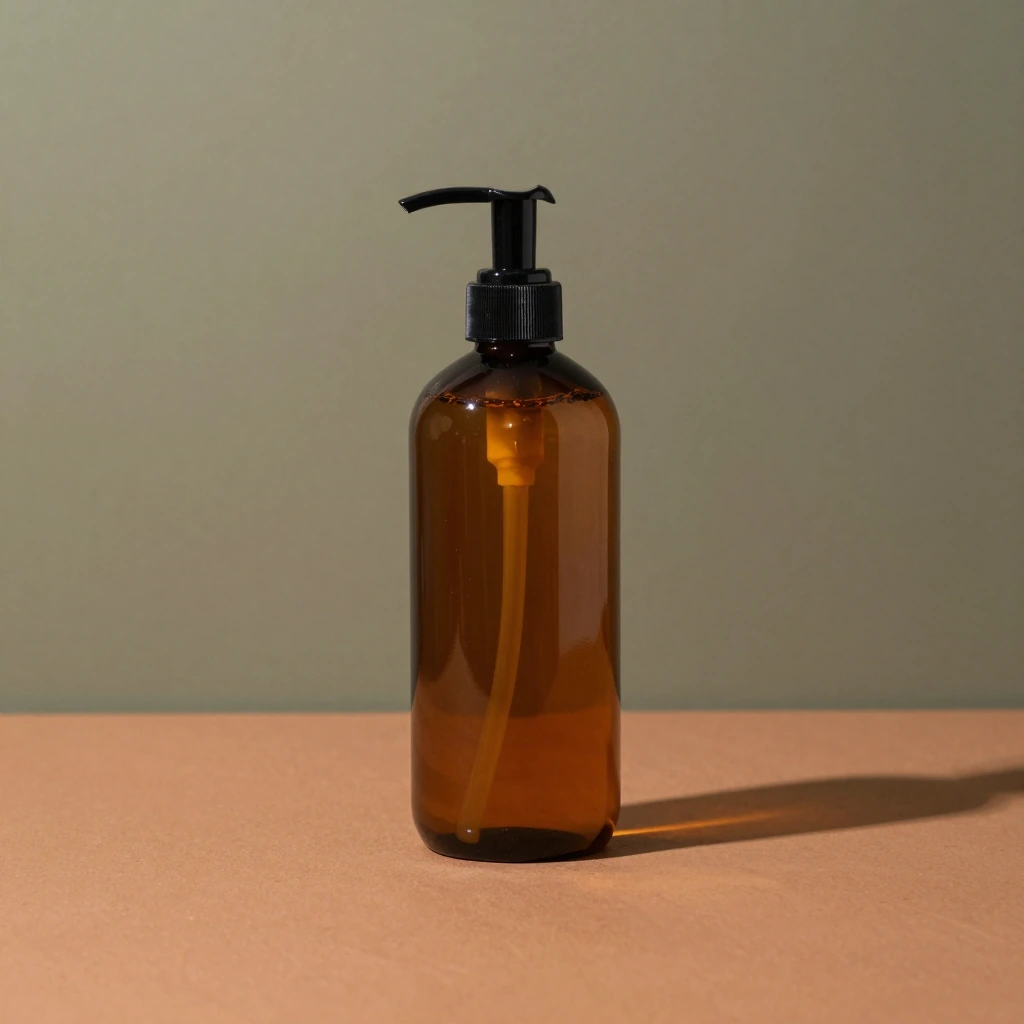
L’Oréal Paris EverPure Bond Repair+ shampoo, 23 fl oz
What to check
Optional colour-care shampoo for colour-treated hair, not a dye or a route to the pictured shade. This is the 23 fl oz single shampoo; the manufacturer describes a multi-step range, but the other products are not included. Follow the actual label and compare ingredients, including fragrance. Bond-repair and strengthening claims are manufacturer claims, not our test results.
Show all 11 pieces
-
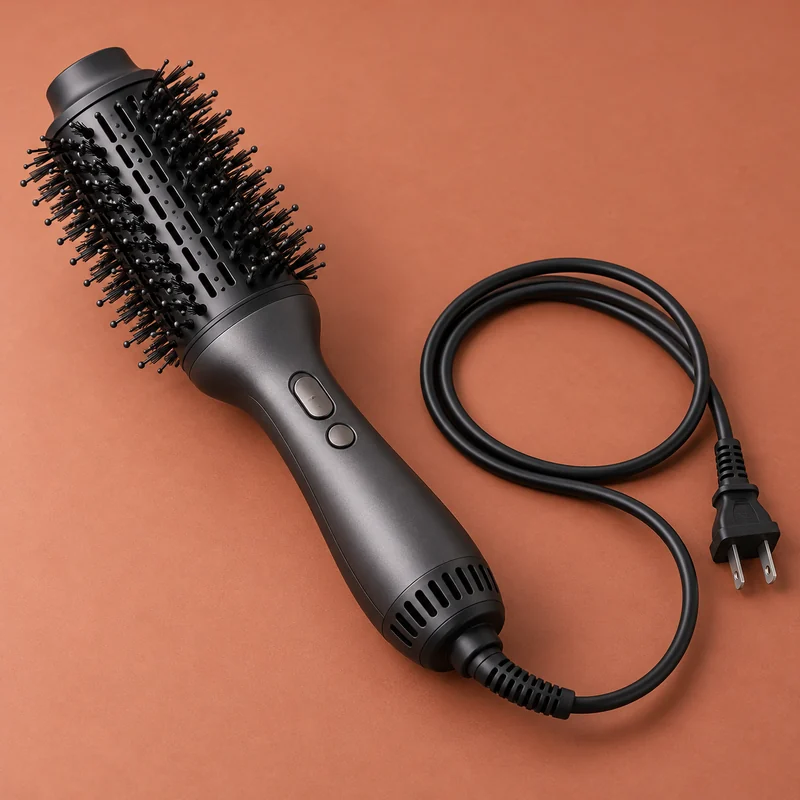
REVLON One-Step Volumizer Plus, black 2.4-inch oval brush
What to check
Similar hot-air brush with a 2.4-inch oval head; it is not a round manual brush or a clamp iron. Listed as 120 V. Compare head size with your length and follow the manufacturer instructions for damp-to-dry use; check local electrical compatibility. Its own head detaches for storage; the complete appliance is linked, not a universal replacement head. Do not fit the pictured unbranded attachment to this appliance.
-
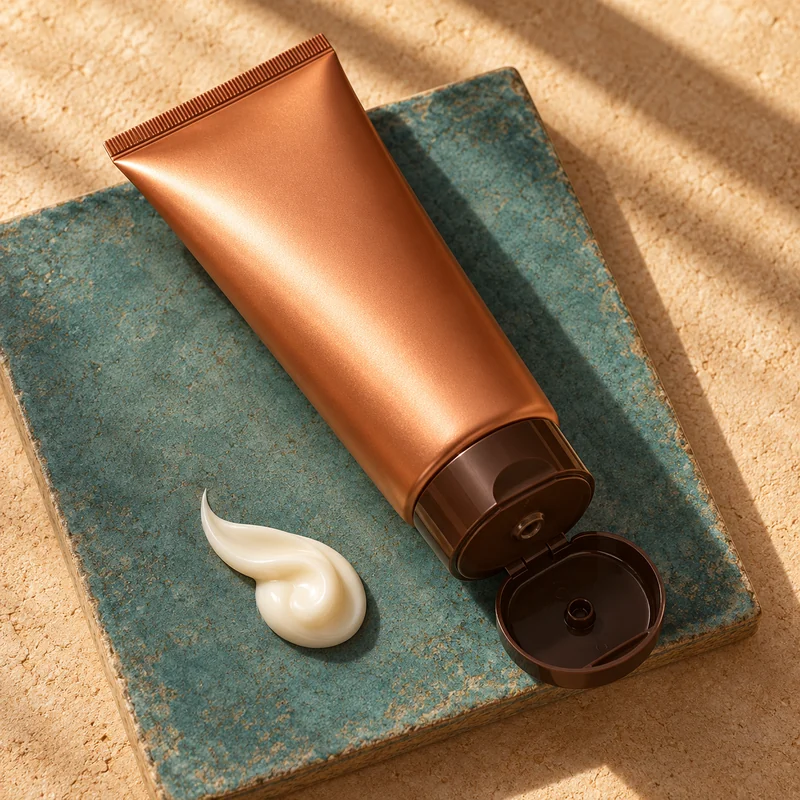
VERB Hydrate Styling Cream
What to check
Optional light-hold cream for a smoother layered finish, used on dry or damp hair per the product directions. The illustrated tube is not VERB packaging. Compare the formula with your hair needs.
-
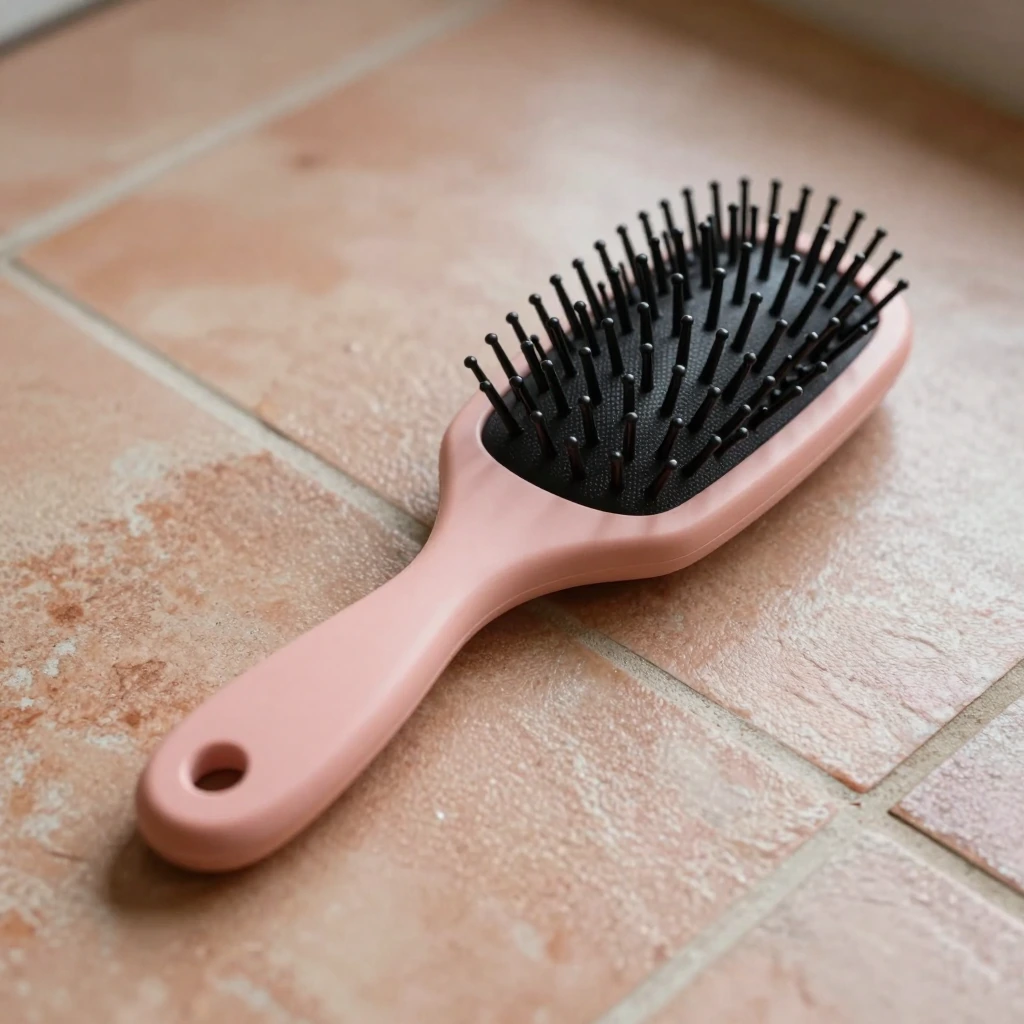
Wet Brush Original Detangler, Pink Frost
What to check
Similar cushioned detangling brush in Pink Frost, with an oval head rather than the broad illustrated paddle. Choose for gentle section-by-section detangling; it is not a heated styling tool or automatically suitable for every wig fiber. Follow the brush and hairpiece directions. Some review feedback concerns durability.
Keep exploring
Related guides
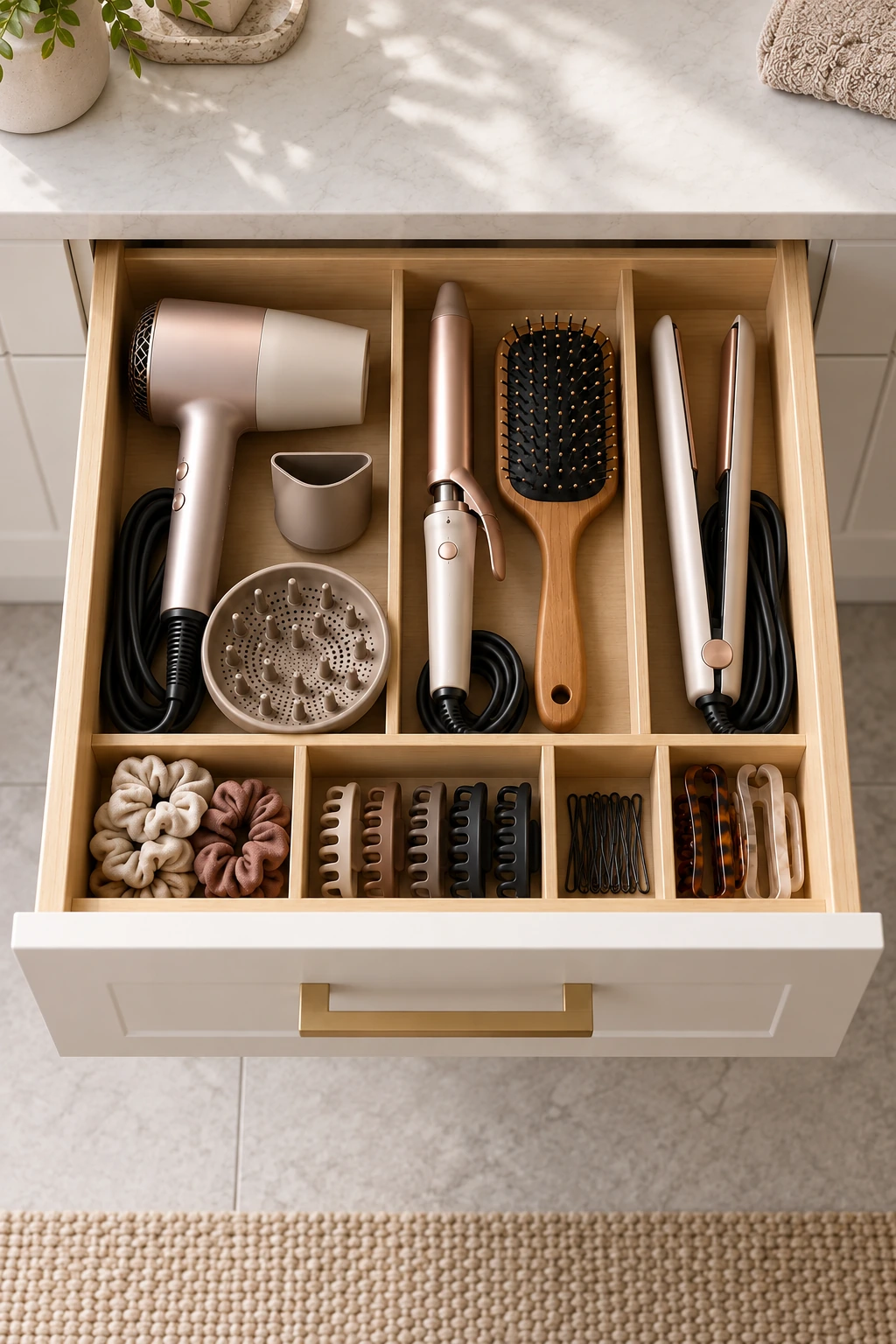 Tools & products
Choosing the right hairbrushes and scalp massagers helps lift sebum and distribute dry shampoo, whereas an oily scalp routine focuses on cleansing frequency and product placement.
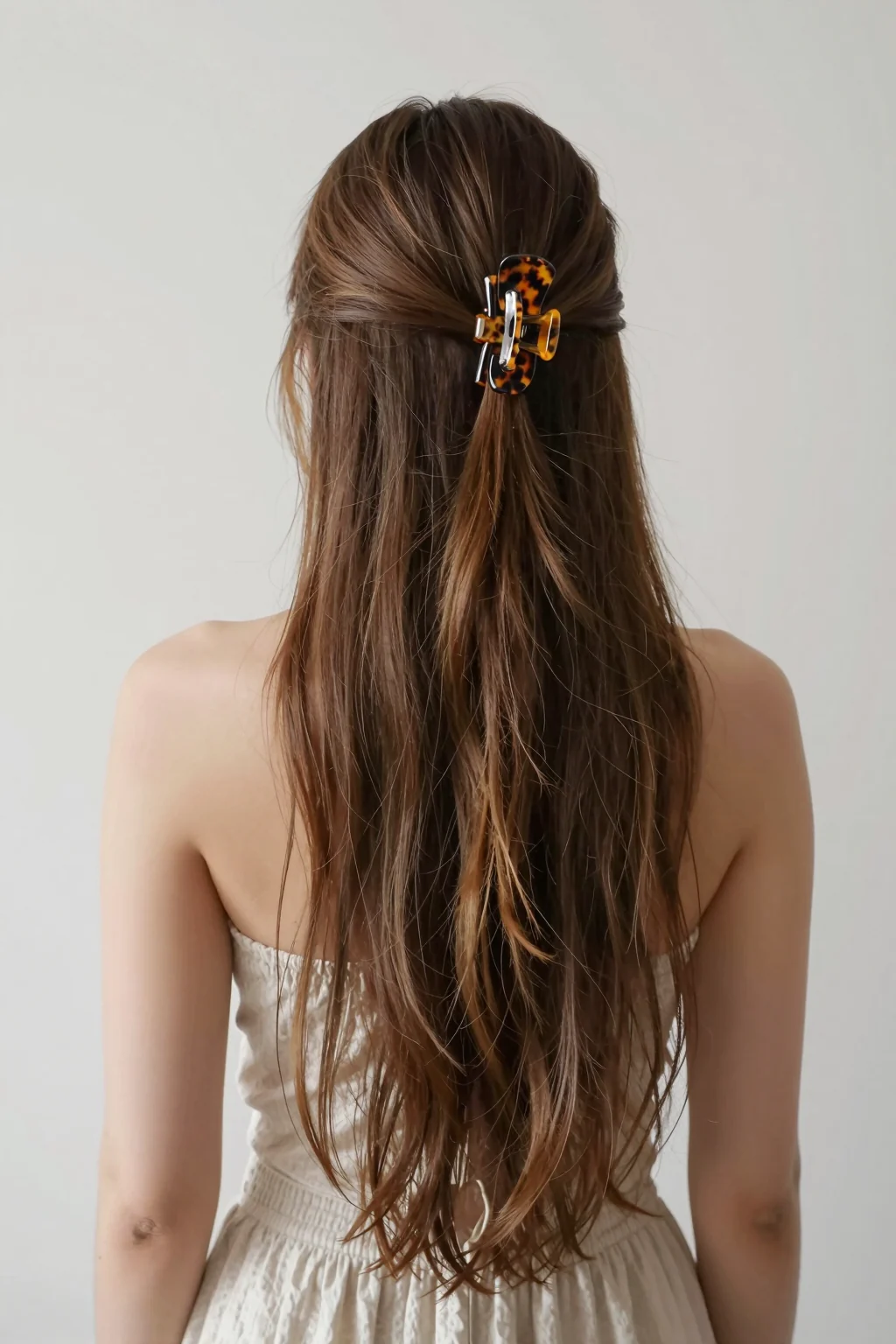 Clips & accessories
Using clean hair ties, headbands, and satin pillowcases prevents oil and product buildup from transferring back to your roots between washes.
Questions
How often should I wash an oily scalp?
You should wash an oily scalp as often as it feels greasy or heavy, which for many people means every day or every other day. Letting oil accumulate on the scalp can cause discomfort, itching, and follicle congestion. Listen to your scalp rather than following generalized advice meant for dry hair types.
Why do my roots get oily so fast while my ends stay dry?
Your scalp contains sebaceous glands that continuously produce sebum, which naturally migrates down the hair strands. Because the oil cannot easily reach the oldest parts of your hair near the tips, your roots become greasy within a day while your mid-lengths and ends remain dry.
Should I use conditioner if I have an oily scalp?
Yes, you should still use conditioner to protect and moisturize your hair, but application technique is critical. Apply conditioner exclusively from the mid-lengths down to the ends of your hair, and keep it completely away from your scalp and roots to avoid adding extra weight and oil.
Is double cleansing necessary for an oily scalp?
Double cleansing is not mandatory for every single wash, but it is a useful technique on days when your scalp has heavy sebum buildup, sweat, or dry shampoo residue. The first wash breaks down and removes surface oil, while the second wash thoroughly cleanses the scalp and hair.
Generated references, not tested products. How shopping links work.