Hair ideas / Care & wash day
Silk pillowcase for hair: friction reduction, frizz control and realistic expectations
A silk pillowcase reduces friction between your hair and the bed, but it is not a cure-all for breakage, split ends, or dryness. Understanding what smooth bedding can and cannot do helps you decide if the purchase fits your routine.
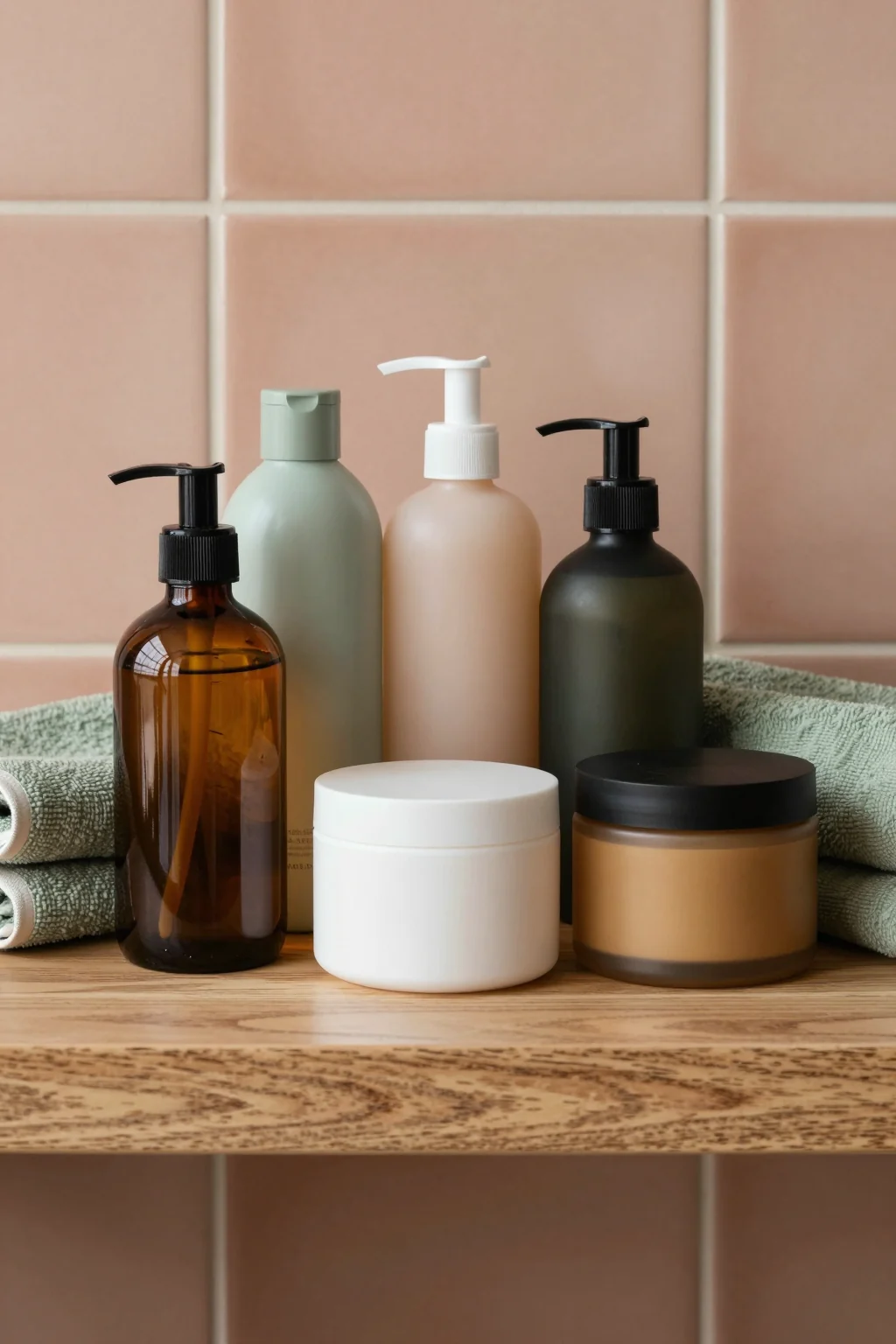
Three rules
Start here.
- Choose a genuine mulberry silk pillowcase with a higher momme weight (around 19 to 25 momme) or a smooth polyester satin if you want friction reduction without delicate hand-washing requirements.
- Pair your smooth pillowcase with a loose, low-tension braid or a satin bonnet to help keep long hair contained and reduce mechanical tangling while you sleep.
- Wash your silk pillowcase every week using a gentle, pH-neutral detergent and cool water to remove facial oils, sweat, and hair product residue that accumulate on the fabric surface.
A styling reference, not a product photo.
What defines it
The basics
A silk pillowcase is a bedding accessory made from natural protein fibers produced by silkworms, woven into a smooth, tightly interlaced fabric. The primary appeal for hair care lies in the ultra-low friction surface compared to traditional cotton or linen. While cotton fibers feature microscopic protruding threads that can catch and tug at hair cuticles throughout the night, smooth silk fibers allow strands to glide more freely as you toss and turn.
What a silk or satin pillowcase actually changes is the mechanical friction your hair experiences during the six to nine hours you spend sleeping. Less friction means fewer tangled strands in the morning, reduced mechanical frizz caused by hair rubbing against coarse fabric, and less stress on delicate hairstyles like blowouts, curls, or braids. It does not, however, add moisture to your hair, repair existing split ends, or reverse chemical damage from coloring or heat styling.
This accessory differs from satin, which is a weave rather than a specific fiber. Satin can be woven from silk, polyester, rayon, or nylon. While polyester satin offers a similarly slick surface at a lower price point, pure silk provides natural temperature regulation and breathability. Neither material, however, replaces a proper conditioning routine or overnight protective styling like loose braids or satin bonnets.
Repeatable combinations
Formulas to try
- Weekly gentle laundering routine
- Hand-wash your silk pillowcase in cool water with a mild, silk-safe detergent, or machine wash it inside a mesh laundry bag on a delicate cycle. Never use bleach or fabric softeners, as harsh chemicals can degrade natural silk protein fibers. Hang the pillowcase to air dry away from direct sunlight, which can weaken the fabric and fade the dye over time.
- Overnight loose pineapple or braid
- Gather your hair into a very loose, high ponytail secured with a soft scrunchie (often called a pineapple) or weave it into a loose three-strand braid before getting into bed. This helps keep the bulk of your hair from getting trapped underneath your head and shoulders, reducing pulling and preserving natural waves or curls until morning.
- Satin bonnet application
- If you move around frequently during the night and tend to slide off your pillowcase, tuck your dry hair inside a lined satin bonnet with a soft, non-binding elastic band. This creates a more enclosed, low-friction environment for your strands regardless of how much you toss and turn, helping protect fragile curls and coifs from friction against both cotton sheets and standard bedding.
- Morning untangling technique
- Upon waking, remove any hair ties or bonnets and gently finger-comb your hair from the ends up toward the roots before introducing a brush or wide-tooth comb. Even with a silk pillowcase, minor tangles can form overnight, and starting at the ends may help prevent you from tightening knots or snapping individual hair shafts.
- Bedtime product minimalism
- Avoid applying heavy, greasy leave-in treatments or liquid oils right before bed unless your hair is wrapped securely in a bonnet. Excess oils can transfer directly onto your pillowcase, soaking into the fabric and potentially attracting facial dirt or body oils that require more frequent washing to prevent skin breakouts.
Your needs, your plans
Before you choose
- Silk versus polyester satin
- Pure silk is a natural, breathable protein fiber that regulates temperature well, helping keep your face and head cool throughout the night. Polyester satin is synthetic, highly durable, and budget-friendly, but it may trap heat and moisture more than natural silk. Both provide a similar low-friction surface benefit for your hair, so your choice depends on fabric preference and budget.
- Limitations on split ends and breakage
- A smooth sleep surface minimizes mechanical friction, but it cannot heal structural hair damage. If your hair is prone to split ends due to heat styling, chemical processing, or mechanical stress during the day, a pillowcase will not reverse those issues. You still need trims, proper moisture balance, and heat protectants to address actual hair damage.
- Care and maintenance requirements
- Pure silk requires delicate handling. It cannot tolerate high heat in the dryer, harsh enzymes in standard laundry detergents, or vigorous scrubbing. If you prefer low-maintenance bedding that goes straight into a standard heavy-duty wash cycle, a high-quality synthetic satin pillowcase may be a more practical daily choice for your household.
- Alternative accessories for restless sleepers
- If you sleep on your side or stomach and bury your face and head deep into the mattress or pillow corners, a pillowcase alone may not protect your hair entirely. In such cases, combining a silk pillowcase with a silk-lined sleep cap or a loose satin scrunchie ensures your hair remains protected even when direct contact with the pillow surface is lost.
From what you own
Build it and repeat it
Deciding whether to invest in a silk pillowcase starts with evaluating your current nighttime hair routine and morning frustrations. If you wake up with severe tangles, noticeable frizz at the crown, or find that your styled blowout flattens and kinks within a single night, a low-friction sleep surface offers a practical fix. It helps reduce the mechanical drag that can disrupt hair cuticles during hours of involuntary movement, making your morning styling routine faster and easier.
If you decide to purchase one, look for quality construction rather than just marketing terms. Check the momme weight for silk—values between 19 and 25 indicate a durable, tightly woven fabric that withstands regular washing. If you choose synthetic satin, ensure the weave is smooth and snag-free. Pair your new bedding with simple habits like loose braiding or a protective bonnet, and maintain a consistent washing schedule to keep the surface clean and functional for years.
Keep exploring
Related guides
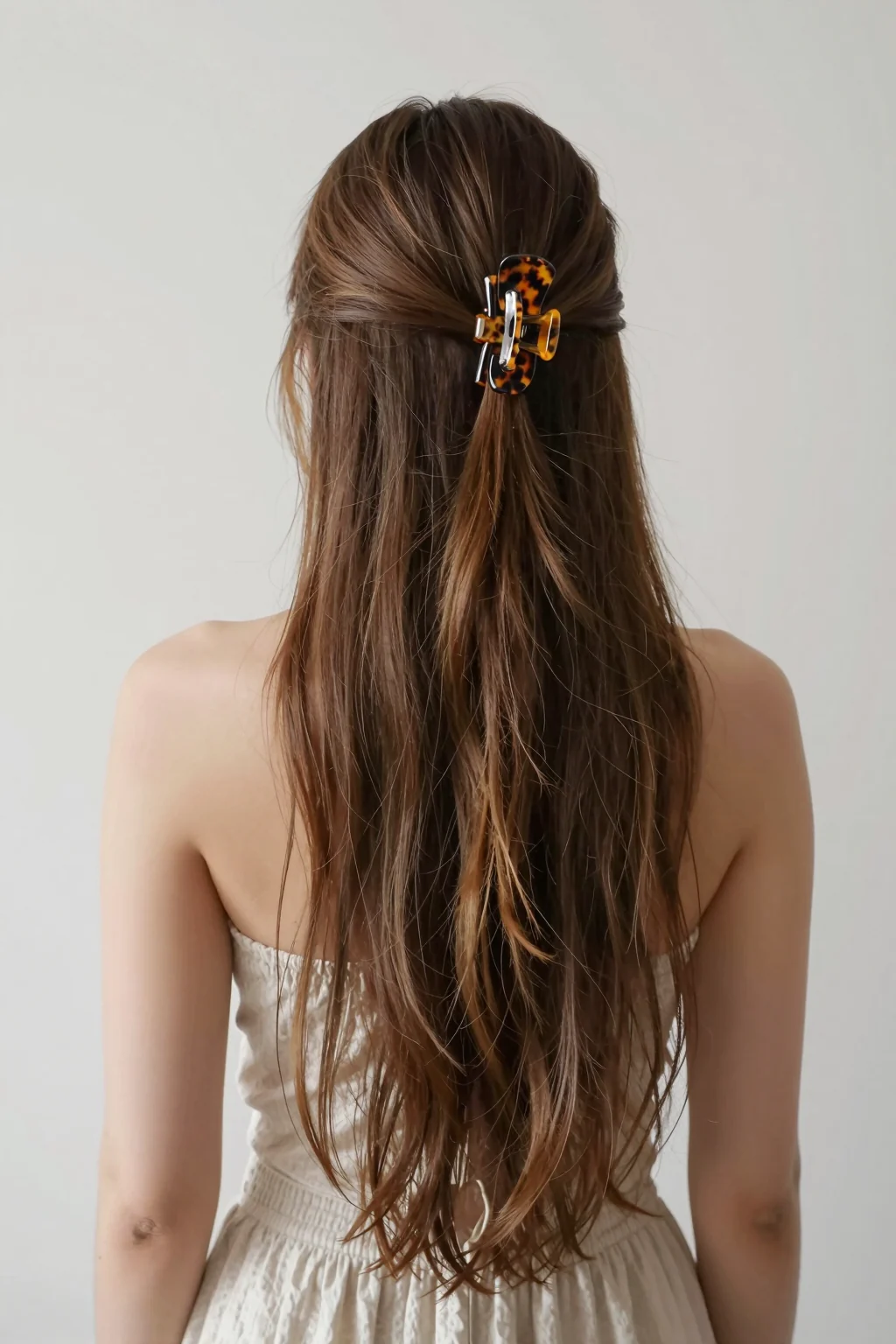 Clips & accessories
Standard hair ties pull and snap fragile strands, whereas satin scrunchies and silk sleep accessories help distribute tension evenly without leaving creases.
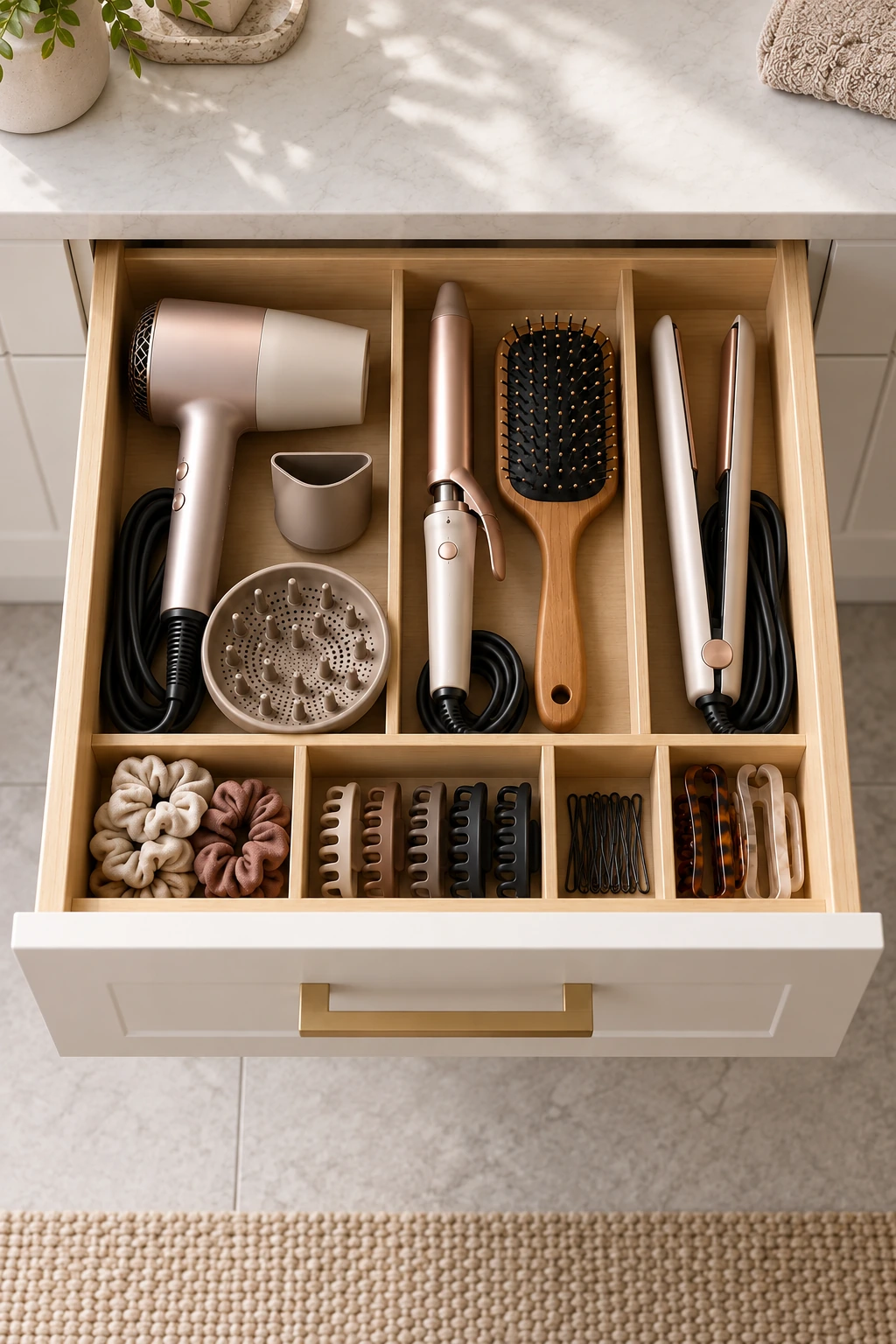 Tools & products
Blow dryers and styling irons apply direct heat to reshape hair structure, while a silk pillowcase simply minimizes nighttime surface friction without altering hair texture.
Questions
Do silk pillowcases actually prevent hair breakage?
A silk pillowcase helps reduce friction-induced mechanical breakage by allowing hair to glide more smoothly across the fabric instead of catching and pulling. However, it does not stop breakage caused by internal hair weakness, chemical damage, tight hairstyles, or rough daytime handling.
Is satin as good as silk for hair?
From a mechanical friction standpoint, high-quality polyester satin offers a similarly slick surface that helps protect hair cuticles just as well as silk. The main differences are that natural silk is more breathable, regulates temperature better, and requires careful hand-washing, whereas synthetic satin is less expensive and easier to machine wash.
How often should I wash my silk pillowcase?
You should wash your silk pillowcase once a week. Because hair and facial skin transfer oils, sweat, and product residue onto the fabric every night, regular laundering helps prevent buildup that can transfer back onto your hair or clog facial pores.
Can a silk pillowcase replace a bonnet or hair tie?
A silk pillowcase reduces friction for loose hair, but it does not keep long hair contained. If you toss and turn heavily, your hair can still become tangled under your body or shoulders. Combining a silk pillowcase with a loose braid, a soft scrunchie, or a satin bonnet offers more comprehensive protection for overnight hair care.
Generated references, not tested products. .