Hair ideas / Everyday styles
Easy updos for long hair: five-minute buns, twists and pinned rolls
Long hair is heavy, dense, and difficult to anchor. When you need it off your neck, standard elastics snap and basic clips slide right out within an hour. You need structural techniques that distribute weight evenly across your scalp.

Three rules
Start here.
- Anchor your updos using the base of the skull and the crown as structural weight-bearing zones rather than relying on a single weak hair tie.
- Twist hair before pinning to create internal tension and friction, which helps prevent heavy sections from sliding loose throughout the day.
- Secure your style with large U-pins or a sturdy hair fork instead of dozens of tiny bobby pins that may bend under the weight of long hair.
A styling reference, not a product photo.
What defines it
The basics
Easy updos for long hair describe styling methods that anchor heavy, dense strands securely against the head using friction, gravity, and minimal hardware. This is not about complex bridal styling or braiding intricate crowns that require thirty minutes and an extra pair of hands. Instead, it focuses on fast, repeatable mechanics designed to handle the sheer volume and weight of long hair during a busy workday or workout.
What makes an updo work for long hair is weight distribution and anchor points. Long hair generates significant downward pull on the scalp, which causes headaches and makes loose styles sag or unravel. A successful quick updo uses the scalp's natural contours and cross-pinning strategies to share the load across multiple points rather than relying on a single hair tie at the crown. The goal is to create a secure hold in five minutes or less without damaging the cuticle or pulling against the hairline.
This differs from short or medium-length styling, where lack of length limits your options. With long hair, the challenge is managing excess bulk and length so it does not turn into a tangled knot. It also differs from slicked-back formal styling, prioritizing speed, comfort, and a relaxed hold that can be adjusted or rebuilt in seconds if it loosens throughout the day.
Repeatable combinations
Formulas to try
- The five-minute French twist roll
- Gather your long hair at the nape of the neck as if making a low ponytail. Twist the entire length upward in a clockwise direction, lifting the cylinder flat against the back of your head. Tuck the loose ends inside the top of the roll. Insert a large French pin or hair fork starting from the right side, weaving it through the outer layer, catching the center twist, and exiting through the left side. This method often uses the hair's own friction to help hold itself in place without elastics.
- The stacked claw clip anchor
- Divide your long hair into two horizontal sections: a top half from ear to ear, and a bottom half. Twist the bottom section upward into a flat coil against your lower head and secure it with a medium claw clip. Twist the top section directly over it, letting the ends fall naturally or tucking them underneath. Using two clips instead of one helps distribute the weight of long hair, preventing some of the heavy sagging that happens when you try to cram all your length into a single oversized clip.
- The pinned topknot for heavy hair
- Gather all your long hair into a high ponytail at the crown, but on the final pass through the elastic, pull the hair only halfway through to create a looped bun with long ends remaining. Take the loose ends, wrap them loosely around the base of the elastic to hide it, and tuck the very tips underneath. Secure the wrapped ends with two large spin pins twisted in opposite directions. This often helps prevent the heavy center of the bun from sagging forward or pulling on your forehead hairline.
- The figure-eight braided bun
- Create a loose, low three-strand braid starting at the nape of your neck and secure the end with a soft silicone band. Take the braid and fold it upward into a loop, then cross it down into a figure-eight shape against the back of your head. Tuck the bottom loop under the top loop and anchor the center crossover point with a sturdy hair stick or a pair of interlocking hair combs. The woven structure of the braid can help prevent long layers from escaping.
- The tucked rope twist
- Divide your long hair into two equal sections at the nape. Twist both sections tightly in the same direction, then cross them over each other in the opposite direction to form a rope twist. Secure the bottom with a small band. Take the entire rope twist, loop it upward twice against the back of your head like a figure eight or a flat snail shell, and tuck the end securely behind the lower loops. Pin through the overlapping sections with U-shaped hair pins.
Your needs, your plans
Before you buy
- Managing scalp tension and headaches
- Heavy long hair exerts constant downward pressure. If an updo pulls tightly from the hairline, you may develop a tension headache within an hour. To help prevent this, build your updos slightly looser at the front and anchor them firmly at the back or crown. If you feel pulling around your temples, remove the pins and reset the style with more slack at the front while keeping the structural anchors tight at the base.
- Dealing with stubborn layers and face-framing pieces
- If you have long hair with shorter face-framing layers or grow-out bangs, they may inevitably slip out of standard buns and twists. Do not fight them by spraying them into submission with sticky hairspray. Instead, let them fall naturally to frame your face, or pin them loosely backward with a single bobby pin tucked behind your ear before you build the main updo. Embracing texture can make the style look deliberate rather than messy.
- Selecting hardware for dense hair volume
- Standard wire bobby pins are often too short and flexible to hold thick, long hair securely. They can bend, snap, or slide out within minutes. Invest in thick U-pins, large French hair forks, or spin screws designed specifically for heavy hair volumes. These tools can create mechanical locks by weaving through multiple hair layers, helping to distribute the load across a wider surface area so the style holds up better during movement.
- Transitioning from wet to dry hair in updos
- Putting long, dense hair into a tight updo while it is still damp is convenient, but it traps moisture inside the center of the coils. This can prevent the hair from drying properly for hours and may lead to a musty scalp odor or potentially weaken the hair shaft from prolonged dampness. Always try to ensure your hair is completely dry before constructing a pinned updo, or keep the style loose and porous if you must wear it up while damp.
From what you own
Build it and repeat it
Start by addressing the physical realities of long hair before choosing an updo. Long hair is heavy, and its weight is a primary reason styles slip, pull, or cause discomfort. Instead of fighting gravity with tight elastics and endless bobby pins, learn to use structural anchors like the base of your skull and your crown. When you distribute the weight more evenly, your updos will often stay secure longer without requiring constant readjustment or causing scalp strain.
Once you understand weight distribution, practice the three foundational techniques: a twisted roll secured with a fork, a stacked clip method, and a pinned crown bun. Master these mechanics using clean, dry hair. As your muscle memory improves, you will find that putting up long hair can take less than five minutes. Keep a few sturdy hair forks or large U-pins in your bag or workspace so you can reset your style whenever needed, turning long-hair management into a quick, stress-free daily routine.
Shop the pieces
5 everyday styles pieces
Links open similar items, not the pictured ones.
-
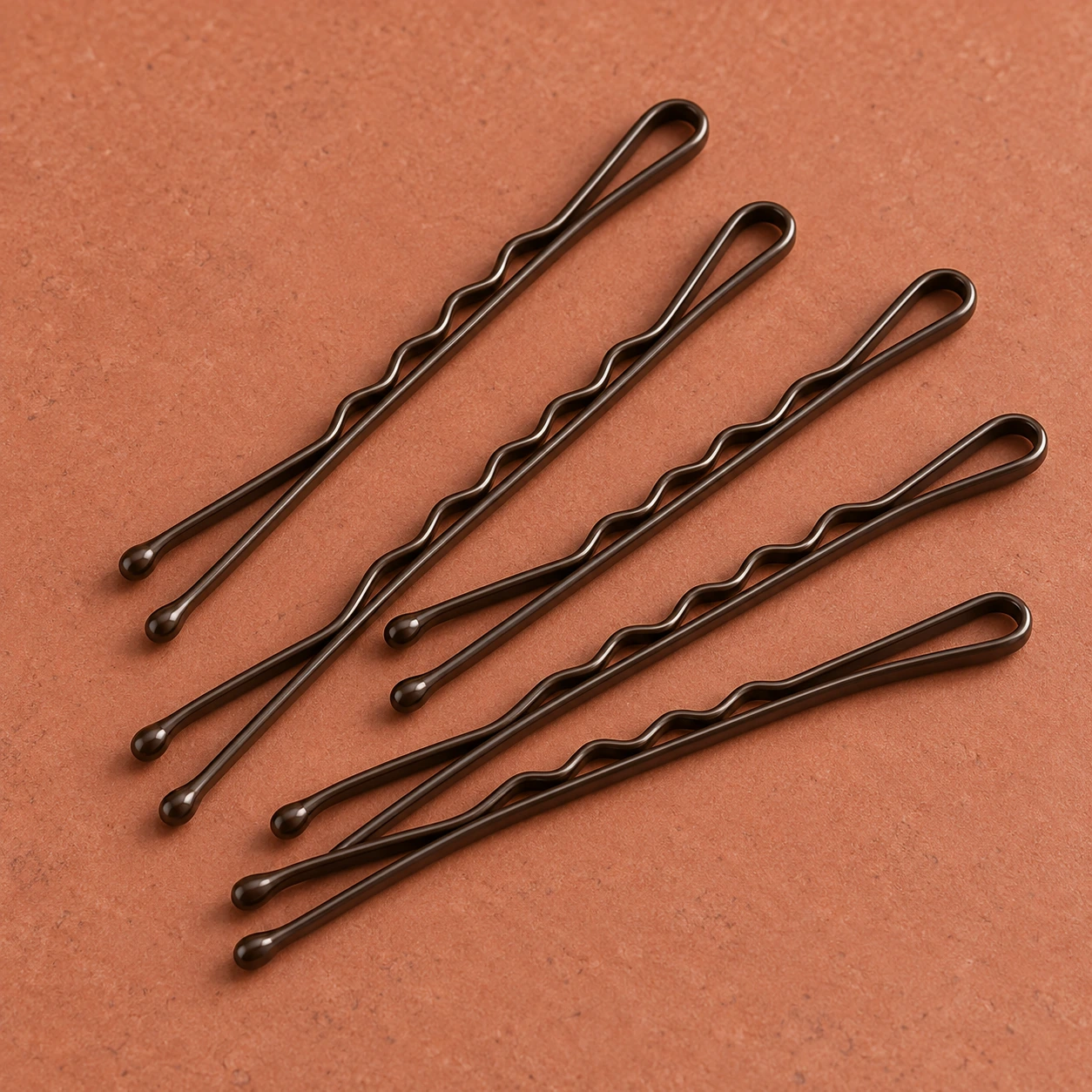
Goody SlideProof brunette bobby pins, 48 count
What to check
Similar brown pins for securing a bun or braid. The hidden fastenings in a generated style cannot establish this brand or pin count; choose a shade and hold for your own hair.
-
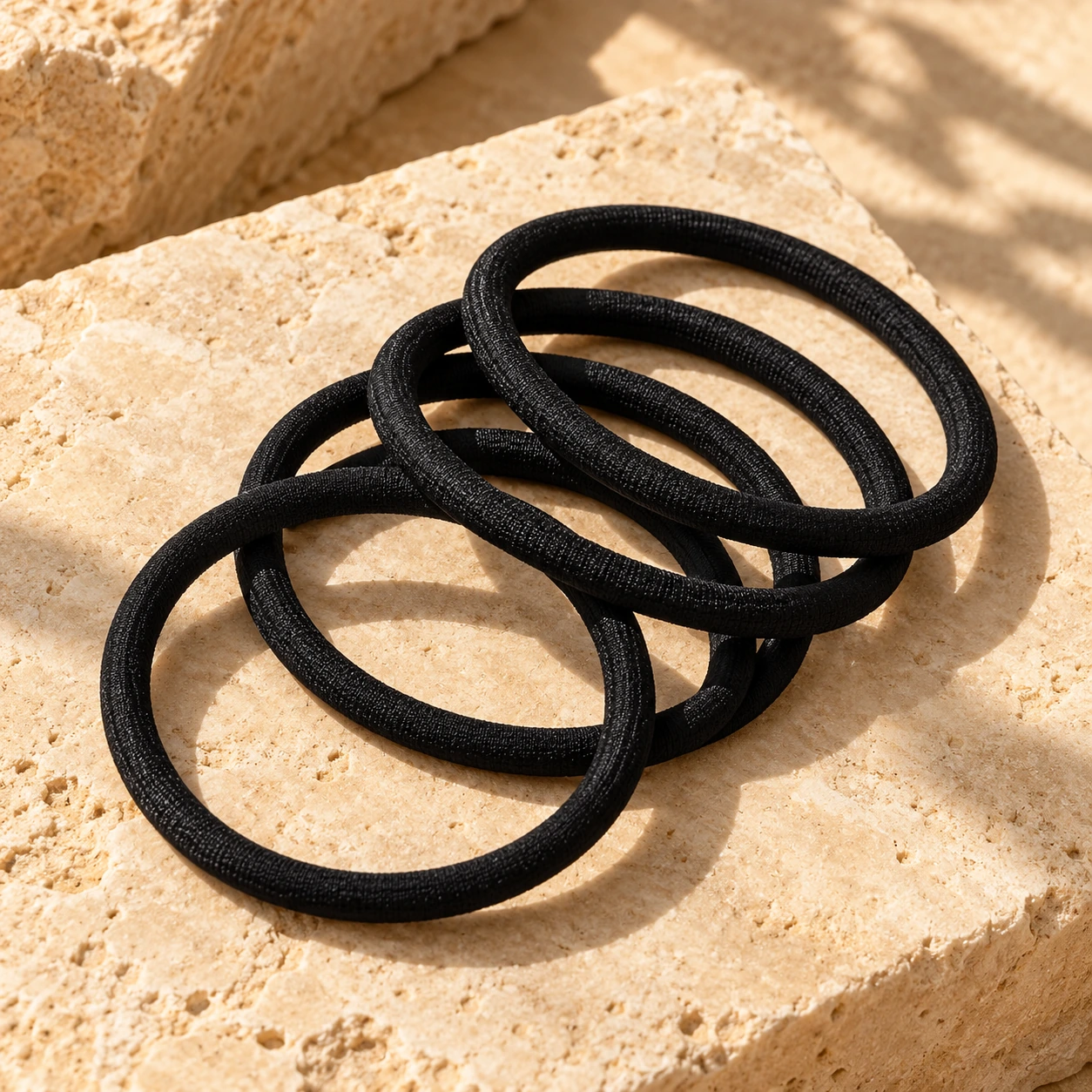
Goody Ouchless black 4 mm hair ties, 30 count
What to check
Similar black elastic ties for ponytails and hidden bun fastenings. No metal closure; 4 mm thickness. The reference does not identify a brand or prove that this is its hidden fastening.
-

CHI 44 Iron Guard thermal protection spray, 8 fl oz
What to check
Similar heat-protection spray, not the unbranded amber illustrated bottle. Follow the current bottle directions before using a heated tool, and allow hair to reach the dryness required by that tool. Fragrance and finish may not suit everyone; review feedback on stickiness and dryness is mixed. Protection claims do not make high heat harmless.
-
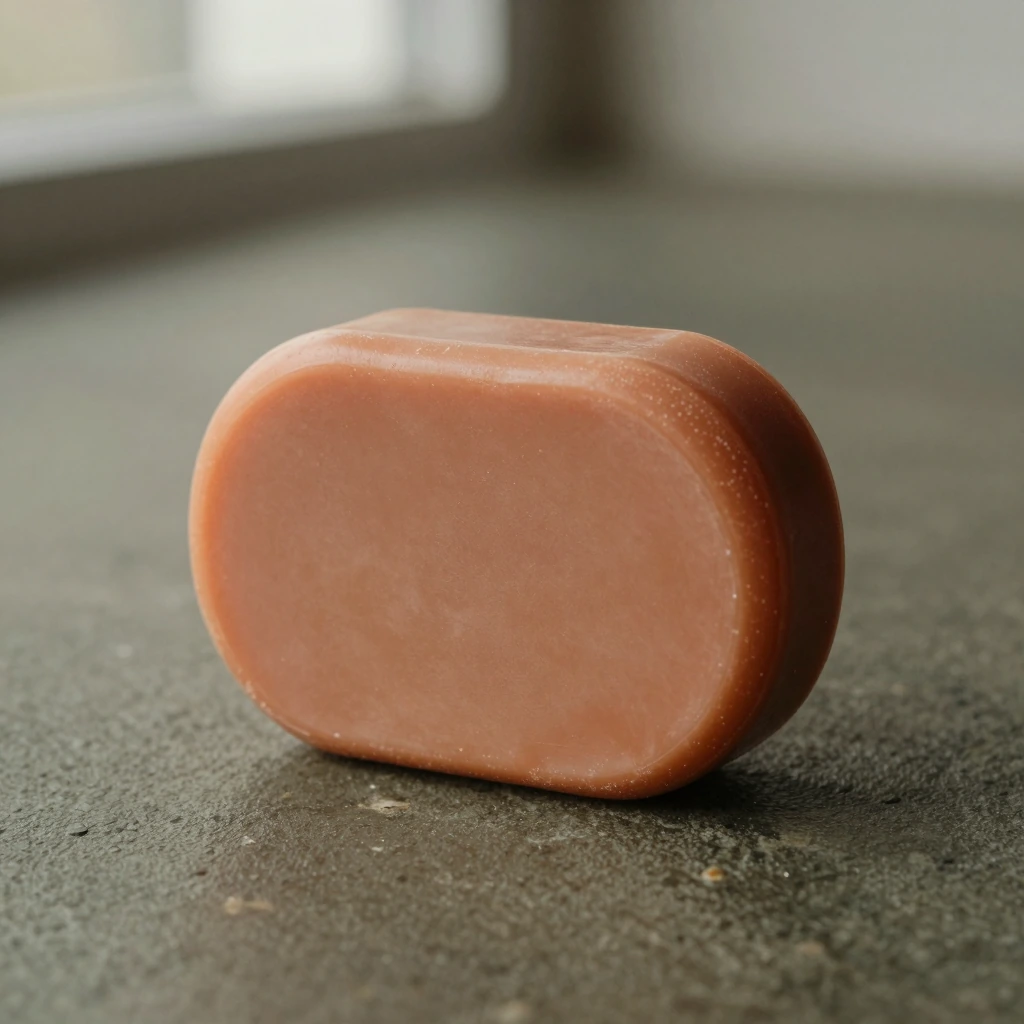
Kitsch rice-water shampoo bar, 3.5 oz
What to check
Similar solid cleansing bar, not proof of the pictured bar’s formula or brand. Follow its current ingredient and washing directions, and allow the bar to drain between uses. The listing markets growth/repair benefits; these are not independently tested or promised here. Reviews differ on dryness, fragrance and how long a bar lasts.
-
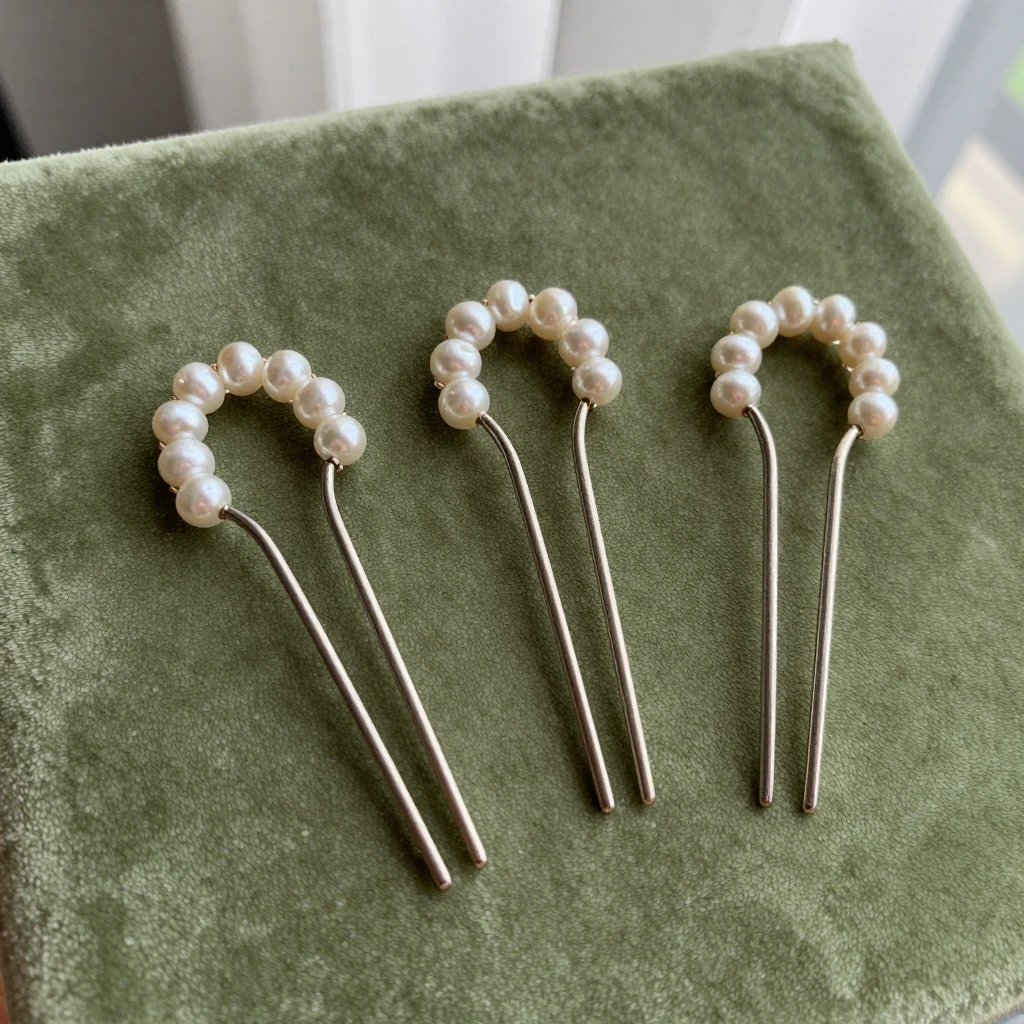
WILLBOND silver pearl-effect and crystal U-pins, 18 pieces
What to check
Similar decorative silver-tone U-pins with three faux pearls and small rhinestones, not the exact pictured pins. Listing size is about 3 by 0.4 inches. Tuck into an already-secured style and remove gently; one visible review reports snagging.
Keep exploring
Related guides
 Tools & products
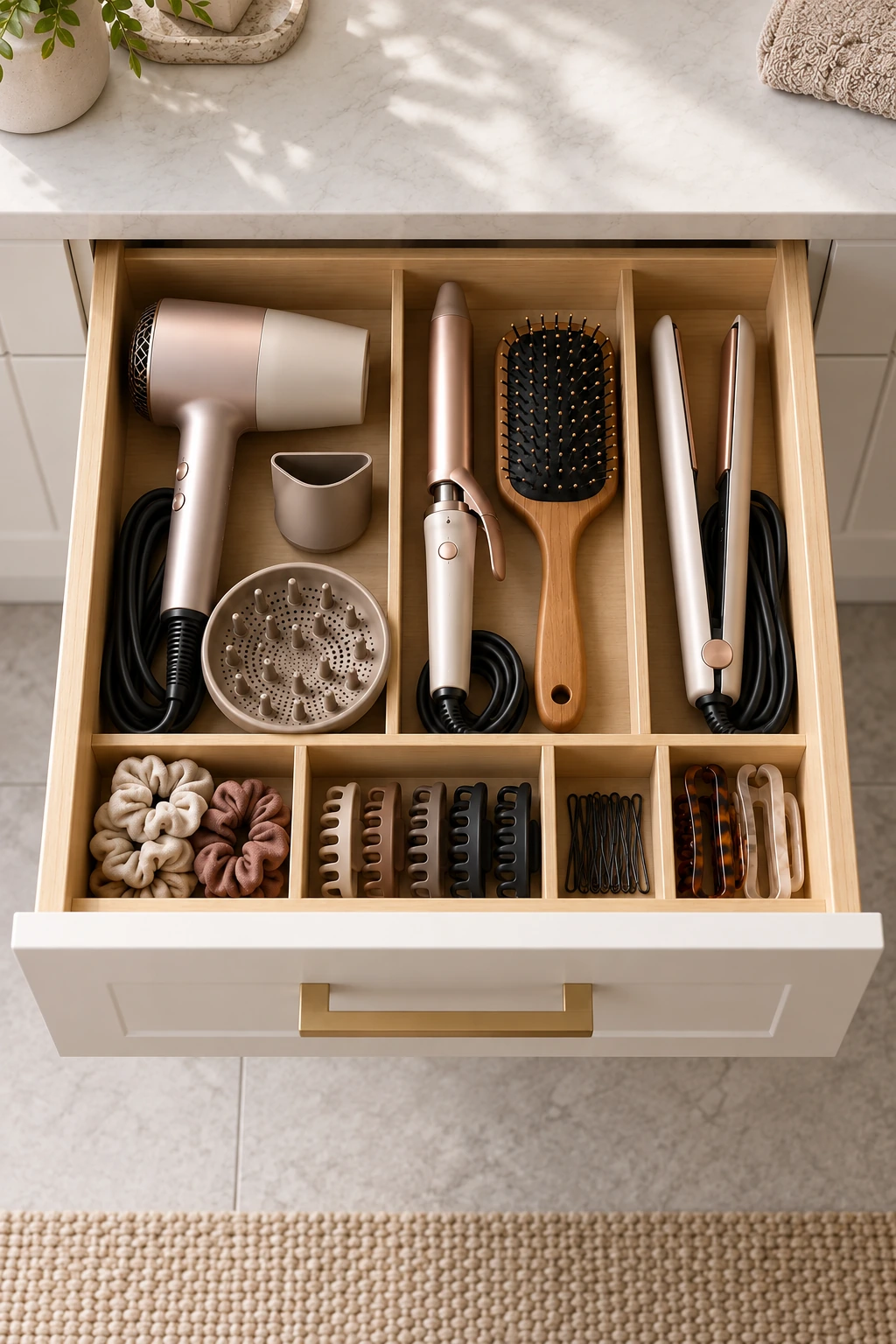
Hair tools like blow dryers and flat irons prep the texture of long hair for styling, while updos use physical anchors like forks and pins to keep heavy strands off the neck.
 Clips & accessories
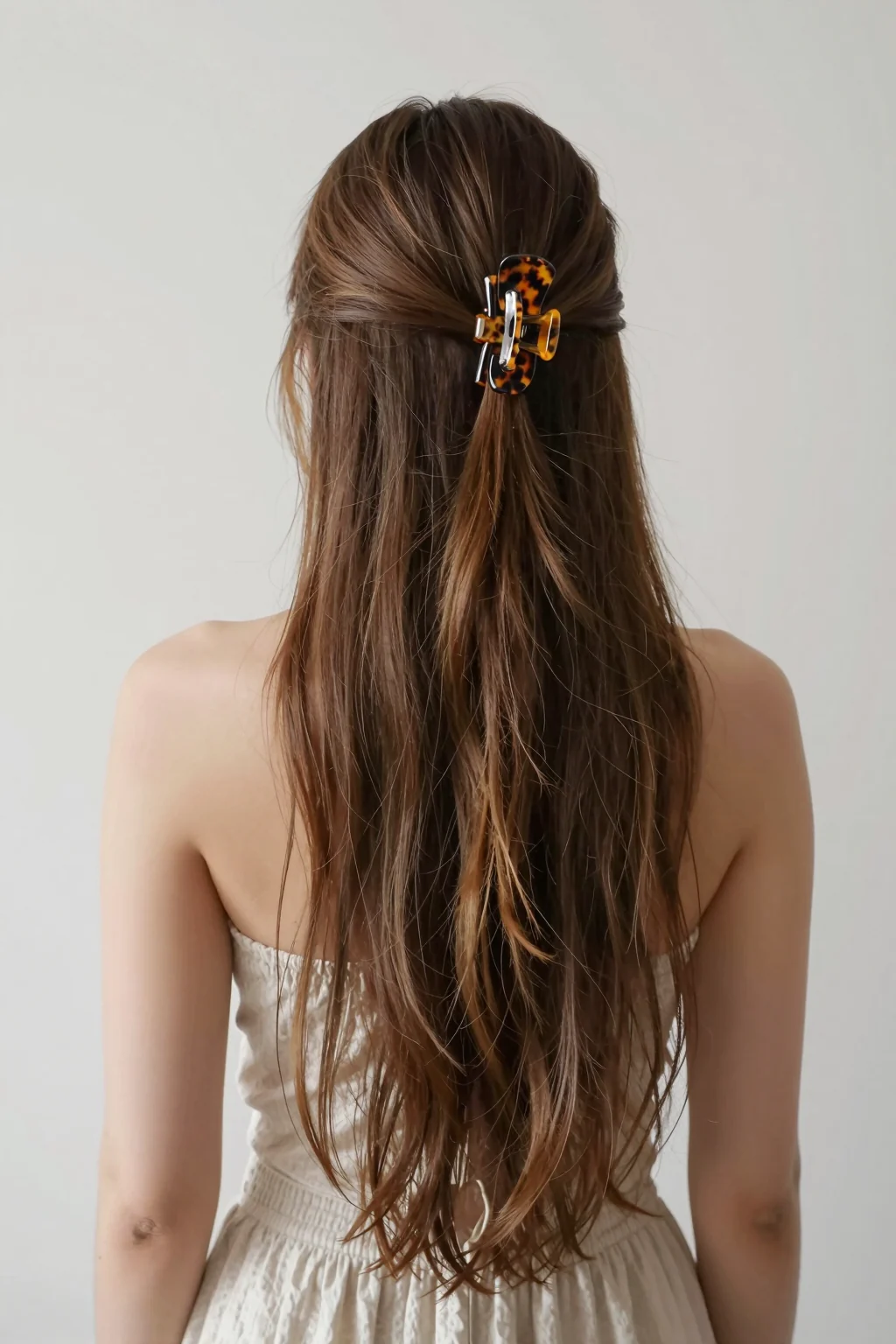
Hair accessories include decorative items like headbands and bows, whereas functional updo hardware like U-pins and forks provide the structural support needed for heavy hair.
 Care & wash day
Hair care routines focus on washing and conditioning to maintain strand health, while updo styling is a mechanical process for managing length and volume during daily wear.
Questions
Why do claw clips always slide out of my long hair?
Claw clips may slide out when they are too small to enclose the entire volume of your hair, causing the outer layers to pull against the spring mechanism until the clip pops open or slips down. For very long or thick hair, using a large claw clip combined with a stacked method where you clip the bottom half first, or switching to a French hair fork that weaves through the hair rather than clamping it, can help prevent this.
How do I stop my updo from giving me a headache?
Headaches from updos are frequently caused by pulling too tightly against the hairline or anchoring all the hair's weight onto a single small elastic band at the crown. To help eliminate this, build your styles with a bit of slack at the front hairline, and use hair pins or forks inserted at the base of the skull or the back of the head to share the structural load.
Can I do these updos with freshly washed, slippery hair?
Freshly washed long hair is often very slippery, which can make pins and clips slide right out. If your hair is too slick, adding a small amount of lightweight texture spray or dry shampoo to the roots and mid-lengths can help create friction before you twist and pin. This gives the hair pins something more tangible to grip against.
What is the best tool for securing thick, heavy hair without elastics?
A sturdy French hair fork or large U-shaped hair pin is often among the most effective tools for thick, heavy hair. Unlike rubber bands that can pull and snap strands or bobby pins that may bend under weight, a hair fork uses weaving mechanics. You push it into the hair, reverse direction to catch a core section, and push it back out, helping to lock the heavy weight of the hair securely in place.
Generated references, not tested products. How shopping links work.