Hair ideas / Everyday styles
Gym hairstyles: sweat-proof ponytails, braids and buns that stay put
Hair falling apart mid-workout forces you to stop and fix your strands when you should be focusing on form. Your gym hairstyle needs to handle sweat, movement, and friction without pulling or breaking your strands.
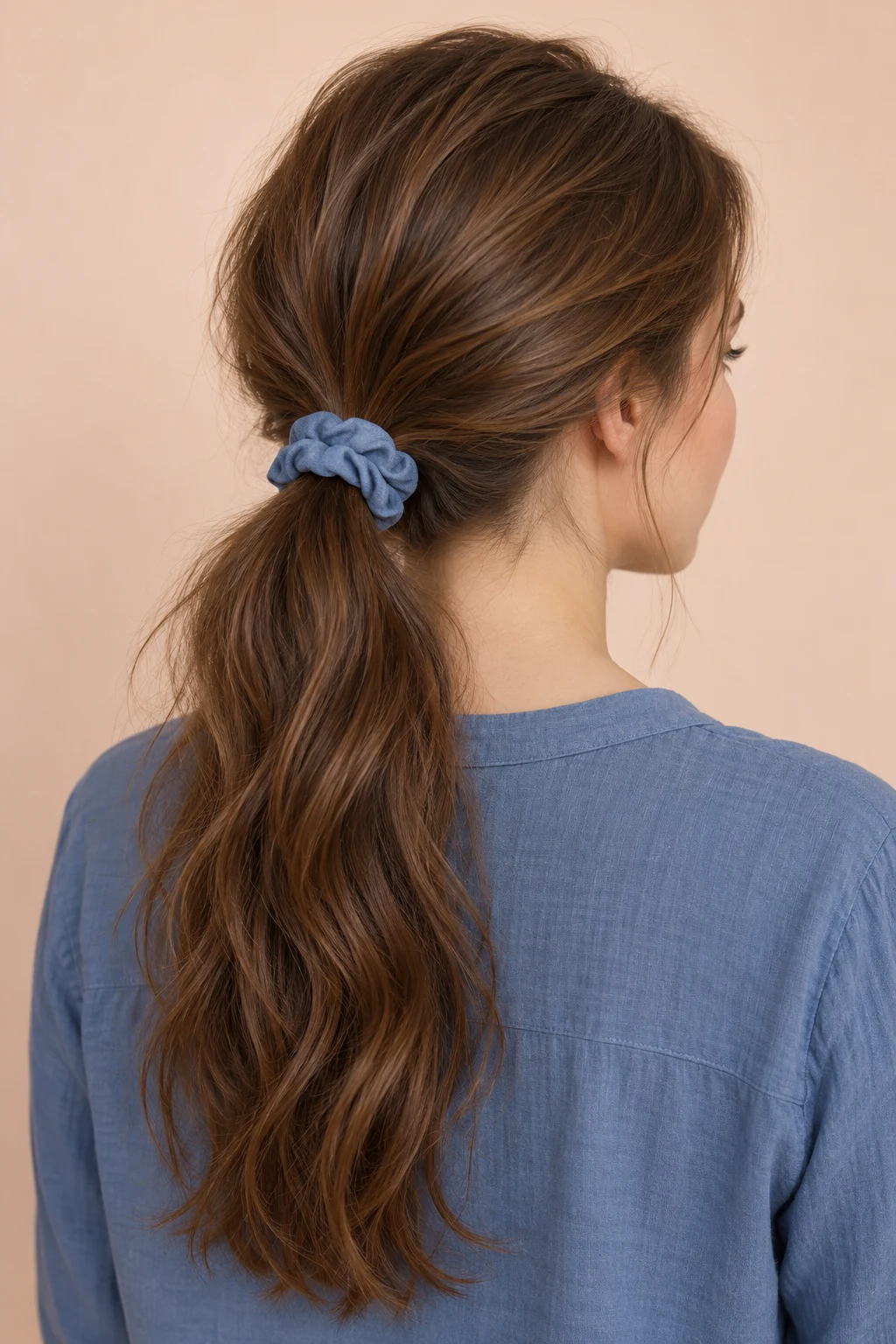
Three rules
Start here.
- Anchor your style using textured hair ties or multiple point contact rather than a single rubber band, because sweat reduces friction and causes basic elastics to slide down the hair shaft.
- Distribute tension evenly across the scalp by incorporating Dutch or French braids at the crown, which helps prevent the pulling and localized scalp strain common with heavy single ponytails.
- Secure the ends of your hair inside a braided knot or soft scrunchie to stop friction against clothing and skin during floor work, running, or high-intensity interval training.
A styling reference, not a product photo.
What defines it
The basics
Gym hairstyles refer to structured configurations of hair designed to remain secure, comfortable, and tangle-free during physical activity. When you exercise, sweat production, body heat, and constant motion conspire to loosen elastics, slide bobby pins out of place, and mat loose strands together. The goal of a proper workout style is to anchor the hair firmly at the root while minimizing friction along the length, which helps prevent mid-routine distractions and post-workout breakage.
What makes a hairstyle work in the gym is distribution of tension and structural support. Standard high ponytails pull heavily on the hairline if anchored with a single weak elastic, leading to scalp soreness and constant slippage as you move. Braids distribute tension across the entire head, locking individual sections in place so that sweat and head movement cannot unravel them. Buns contain the ends completely, stopping long hair from whipping against sweaty shoulders and forming knots that require aggressive detangling afterward.
This is not just about keeping hair out of your face, though that is part of it. A poorly chosen style can trap sweat against the nape of the neck, causing irritation, or create sharp creases from tight elastics that can be difficult to smooth out without washing. By matching your hairstyle to your specific workout type—whether that is running, lifting, or floor-based stretching—you protect the integrity of your hair while maintaining a clean, secure hold from warm-up to cool-down.
Repeatable combinations
Formulas to try
- The locked high ponytail with wrap
- Gather your hair at the crown and secure it with a spiral hair tie rather than a standard rubber band, as spiral bands grip without compressing the hair into a tight crease. Take a half-inch section from underneath the ponytail, wrap it tightly around the base to hide the elastic, and tuck the end securely under the band. This extra wrap acts as a physical anchor that helps stop the ponytail from sagging when you jump, run, or transition to floor exercises.
- Dual French braids into a low bun
- Part your hair down the middle from forehead to nape and create two tight French braids, picking up small, even sections as you work down toward the neck. Once you reach the nape, secure the ends of the braids with small silicone bands, then twist them together into a low, flat bun pinned securely against the head. This style keeps hair completely off your neck, helps prevent tangles during floor work, and leaves you with defined waves when you take it down.
- The secure slip-resistant claw clip updo
- Gather medium-to-long hair into a loose twist at the back of the head, fold the ends downward against the scalp, and clamp a medium matte-finish claw clip over the base. Ensure the teeth of the clip catch both the twisted hair and the hair against the scalp for maximum grip. This style is ideal for weightlifting and stationary cycling where you do not lie flat on your back, allowing you to take your hair down post-workout without harsh elastic dents.
- The bubble braid for heavy motion
- Tie your hair into a standard ponytail, then place additional elastics down the length of the tail spaced two to three inches apart. Gently pull the hair outward between each elastic to create rounded 'bubbles' that add volume and flexibility. The multiple elastics help prevent the hair from whipping around or tangling during high-speed running or jumping rope, and you can easily tighten individual sections if one band slips.
- The braided headband tuck for short hair
- If your hair is too short for a full ponytail or bun, create a tight Dutch braid starting above one ear and curve it along your hairline to the other side, pinning the tail flat behind your ear. Secure any stray shorter pieces at the nape with flat bobby pins crossed in an 'X' shape for maximum grip. This keeps short layers out of your eyes during sweaty cardio sessions without requiring constant adjustments.
Your needs, your plans
Before you buy
- Sweat accumulation and scalp health
- Heavy sweating during workouts deposits salt and oils onto the scalp, which can mix with styling products and cause irritation or clogged follicles if left too long. When you wear a very tight hairstyle during exercise, sweat can become trapped under taut sections, increasing the risk of friction-related discomfort. Let your hair down promptly after your workout to allow the scalp to dry, and use a dry shampoo or a thorough rinse to clear away salt residue if you are skipping a full wash.
- Hair elasticity and breakage risks
- Wet or damp hair stretches more easily and is significantly more fragile than dry hair. If you put your hair up immediately after applying a heavy pre-workout conditioning treatment or while it is soaking wet from a pre-wash rinse, pulling it into a tight elastic can sometimes cause snapping along the hair shaft. Opt for a loose claw clip or a soft fabric scrunchie when dealing with damp hair, and reserve ultra-tight braided styles for dry or naturally textured hair.
- Post-workout hair dents and creases
- Tight elastics leave harsh horizontal lines across your hair that can be difficult to remove without re-wetting the strands. To minimize creases, use wider spiral hair ties, soft satin scrunchies, or section your hair into looser styles that distribute pressure over a wider surface area. If you must use a standard elastic, reposition the hair tie slightly higher or lower on subsequent workout days to avoid stressing the exact same strand fibers repeatedly.
- Transitioning from gym to daily routine
- Planning your workout hairstyle based on what you need to do afterward saves time during your post-gym routine. If you want smooth hair after exercising, avoiding high ponytails can help prevent major dents; instead, opting for loose braids often turns sweat-dampened strands into soft waves as they air-dry. Always pack an extra clean elastic and a small comb in your gym bag, as elastics can snap unexpectedly under workout tension.
From what you own
Build it and repeat it
Start by evaluating how your hair behaves during your specific style of exercise. If you primarily lift weights and do not lie flat on your back, styles like a claw clip updo or high bun keep hair entirely out of your face and off your neck. If your workout involves running, burpees, or floor mats where your head presses against a surface, high buns can sometimes create uncomfortable pressure points, making flat braided styles or low ponytails a much better choice for comfort and stability.
Next, upgrade your hardware by replacing standard rubber bands with hair ties designed for athletic movement. Spiral hair ties, seamless elastic bands, and moisture-resistant fabric scrunchies grip the hair without biting into individual strands or sliding when you start to sweat. Once you have the right accessories, practice a core secure style like a double French braid or a wrapped ponytail until you can execute it in under two minutes. Consistency in how you anchor your hair helps prevent mid-workout unraveling and keeps your focus entirely on your physical performance.
Shop the pieces
5 everyday styles pieces
Links open similar items, not the pictured ones.
-
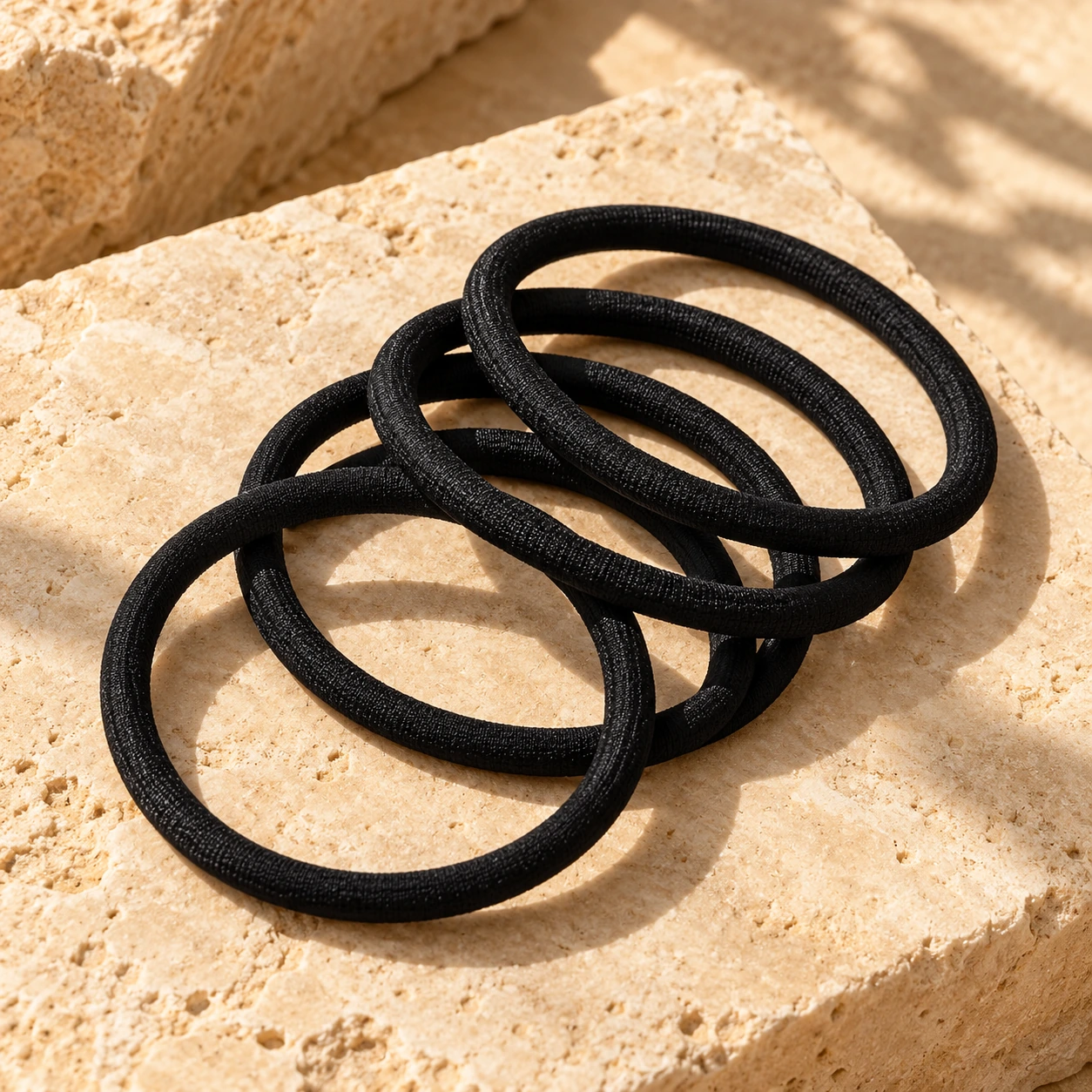
Goody Ouchless black 4 mm hair ties, 30 count
What to check
Similar black elastic ties for ponytails and hidden bun fastenings. No metal closure; 4 mm thickness. The reference does not identify a brand or prove that this is its hidden fastening.
-
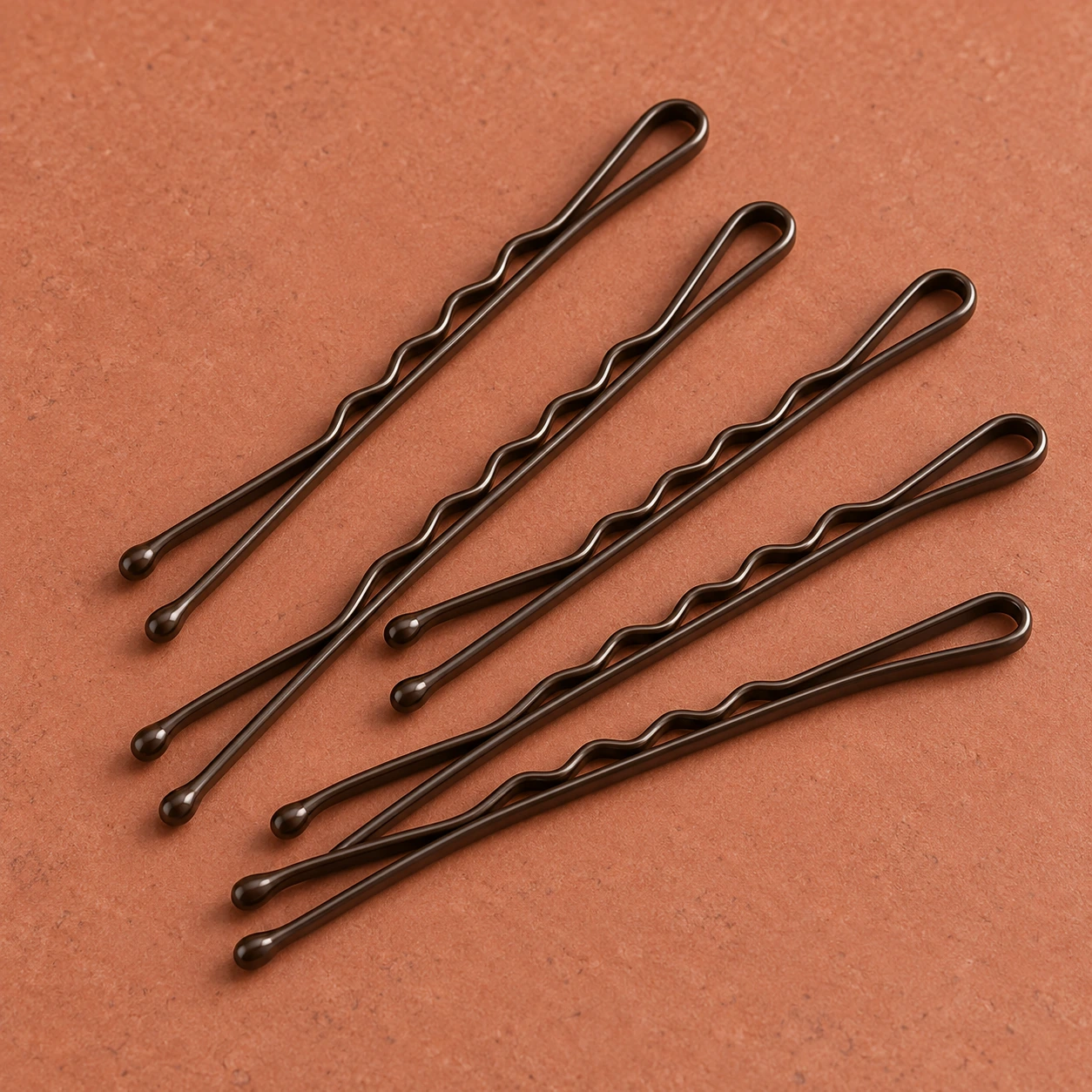
Goody SlideProof brunette bobby pins, 48 count
What to check
Similar brown pins for securing a bun or braid. The hidden fastenings in a generated style cannot establish this brand or pin count; choose a shade and hold for your own hair.
-
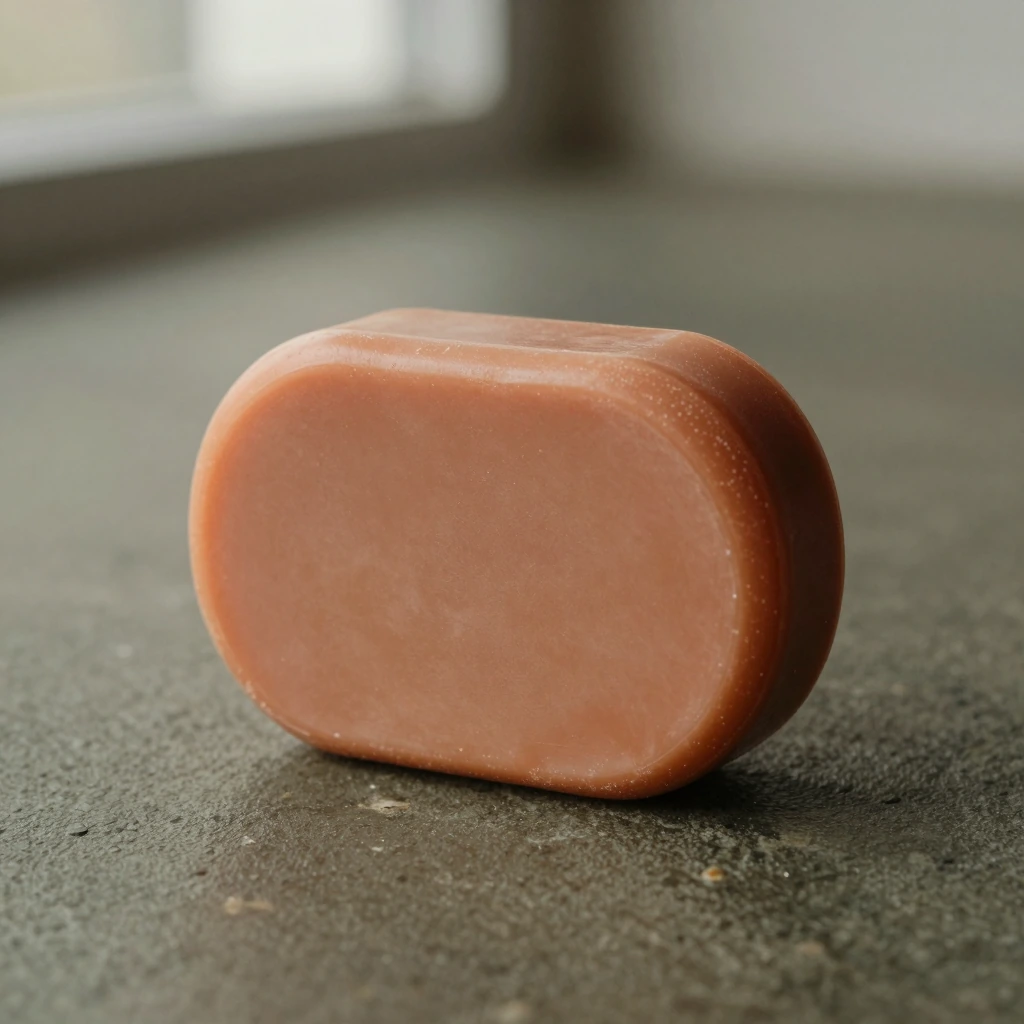
Kitsch rice-water shampoo bar, 3.5 oz
What to check
Similar solid cleansing bar, not proof of the pictured bar’s formula or brand. Follow its current ingredient and washing directions, and allow the bar to drain between uses. The listing markets growth/repair benefits; these are not independently tested or promised here. Reviews differ on dryness, fragrance and how long a bar lasts.
-
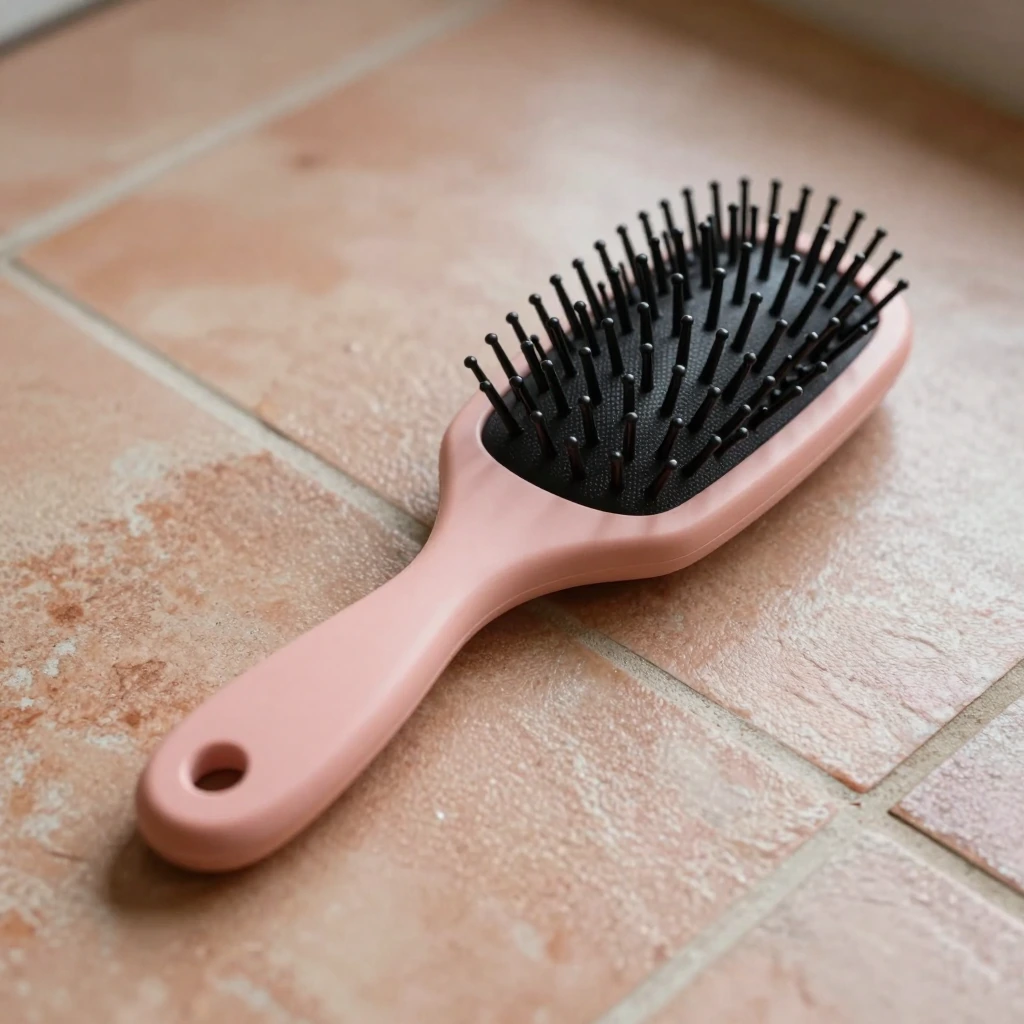
Wet Brush Original Detangler, Pink Frost
What to check
Similar cushioned detangling brush in Pink Frost, with an oval head rather than the broad illustrated paddle. Choose for gentle section-by-section detangling; it is not a heated styling tool or automatically suitable for every wig fiber. Follow the brush and hairpiece directions. Some review feedback concerns durability.
-
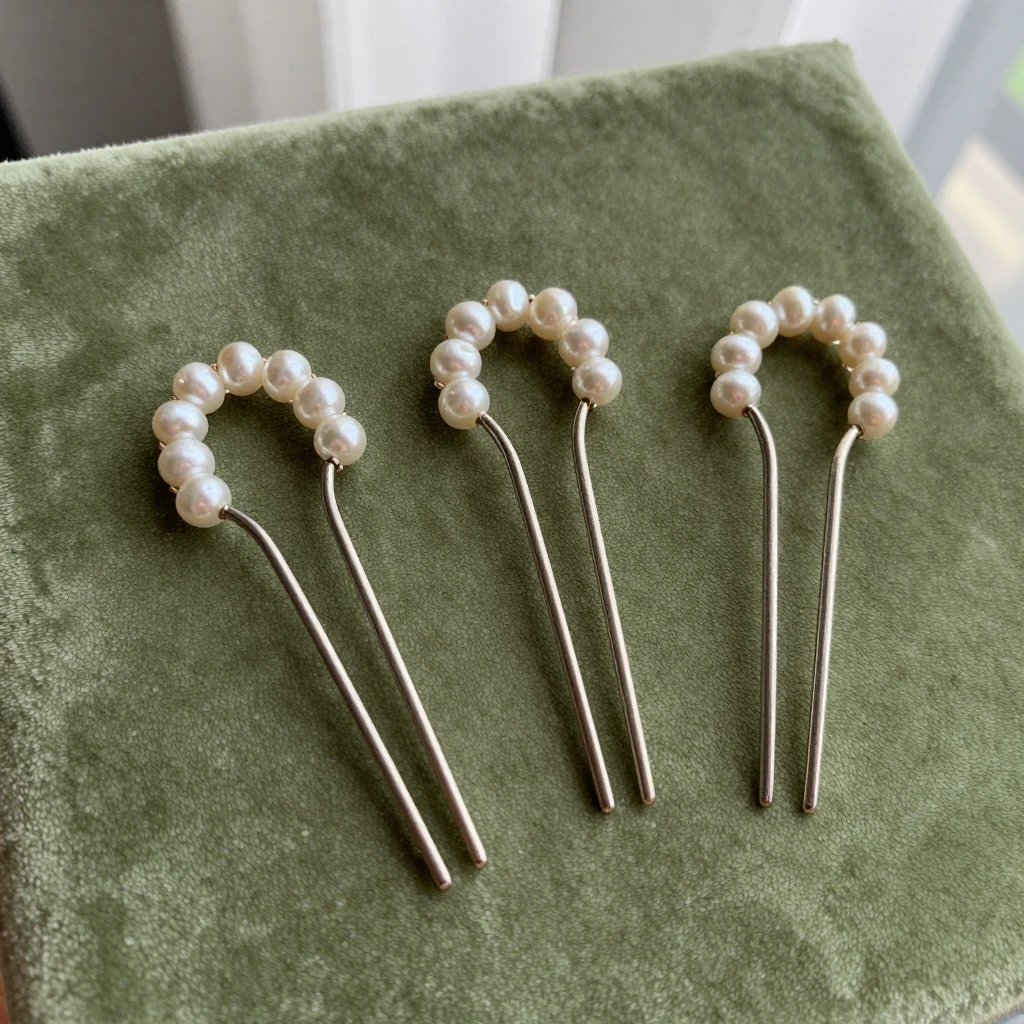
WILLBOND silver pearl-effect and crystal U-pins, 18 pieces
What to check
Similar decorative silver-tone U-pins with three faux pearls and small rhinestones, not the exact pictured pins. Listing size is about 3 by 0.4 inches. Tuck into an already-secured style and remove gently; one visible review reports snagging.
Keep exploring
Related guides
 Care & wash day
A proper gym hair routine focuses on securing strands against sweat and friction during movement, whereas a standard daily hair care routine centers on cleansing, conditioning, and moisture balance.
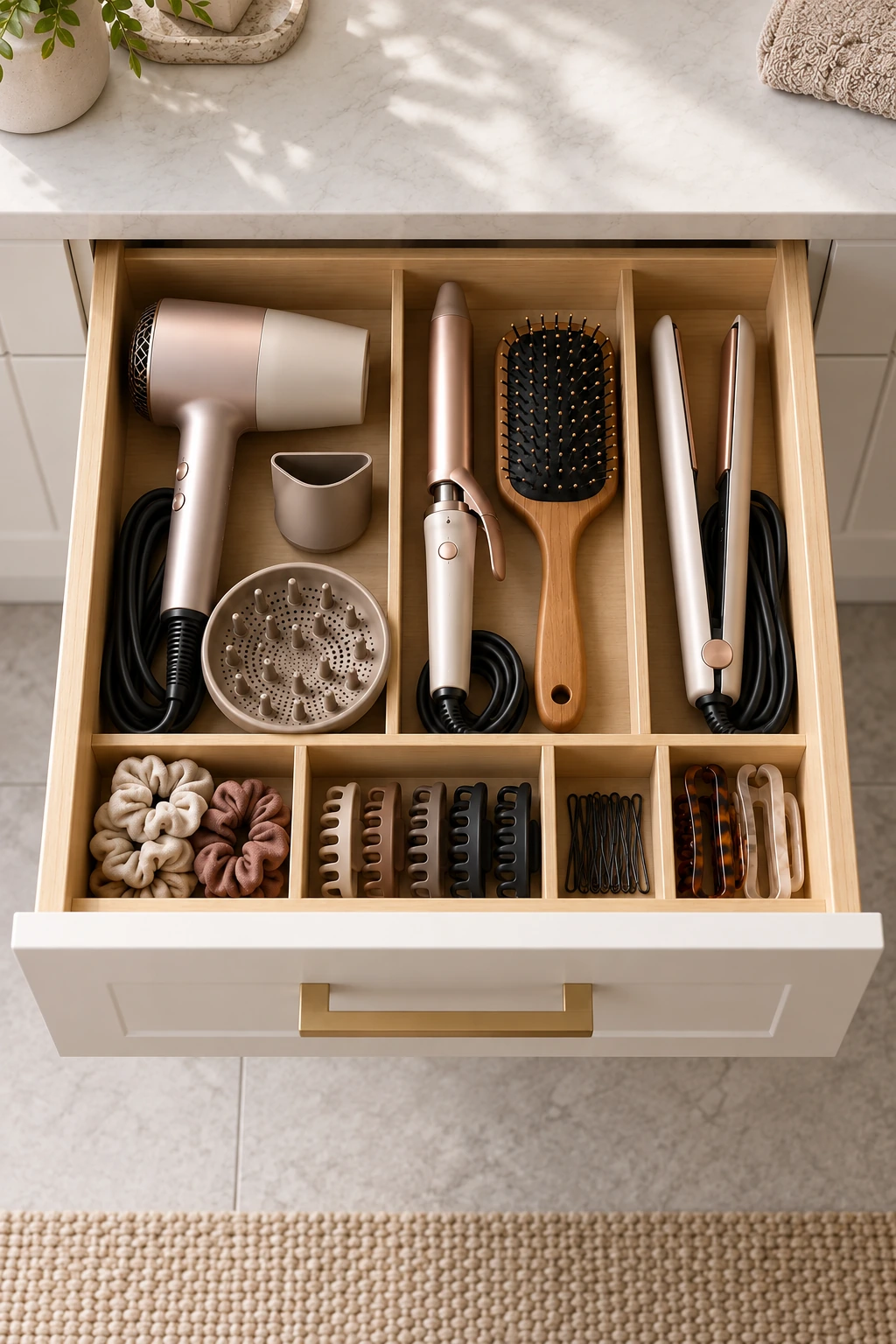 Tools & products
Gym hairstyles rely on durable, sweat-resistant fasteners like spiral ties and claw clips, while daily styling tools often include precision brushes, sectioning clips, and thermal styling irons.
Questions
A ponytail can sometimes slip during a run because sweat reduces friction and the bouncing motion pulls the elastic downward. To fix this, use a spiral hair tie for better grip, or anchor the base by taking a small strand of hair from underneath the ponytail, wrapping it tightly around the elastic, and tucking the end under the band. You can also use two hair ties placed right next to each other to help distribute the weight and stop slippage.
Wearing your hair in extremely tight ponytails or buns every day can sometimes contribute to traction alopecia, a form of hair thinning associated with constant pulling at the hairline and scalp. To protect your hair, alternate between high and low styles, use soft scrunchies or spiral ties that distribute tension, and take your hair down promptly after your workout finishes to let your scalp relax.
Short hair benefits from styles that capture layers close to the scalp rather than relying on a single ponytail. Dutch braids or French braids that start at the forehead and run along the sides of your head secure short layers effectively. For hair that is too short to braid, use flat bobby pins crossed in an 'X' shape or a wide athletic headband to push stray strands away from your face.
Hair dents happen when a thin elastic compresses the hair shaft into a sharp crease under pressure. To minimize creases, swap standard rubber bands for wide spiral hair ties or satin scrunchies, which distribute pressure over a larger surface area. If a crease does form after your workout, spritz the bent section lightly with water, smooth it down with your fingers, and let it air-dry for a few minutes.
Generated references, not tested products. How shopping links work.