Hair ideas / Color & root touch-ups
How to blend gray hair: highlights, glosses, and root sprays compared
Transitioning away from permanent dye or managing early silver strands requires a strategy that softens the contrast between your natural shade and new growth. Blending gray hair rather than attempting total coverage creates a softer grow-out phase that generally requires less maintenance.
Three rules
Start here.
- Introduce fine highlights or lowlights that match your target color palette to break up solid blocks of gray and create a multi-tonal transition.
- Use translucent hair glosses or demi-permanent toners to impart a sheer wash of color that softens silver strands without sealing them under opaque pigment.
- Apply temporary root touch-up sprays or powders only to the parting and hairline for quick camouflage between longer-term color sessions.
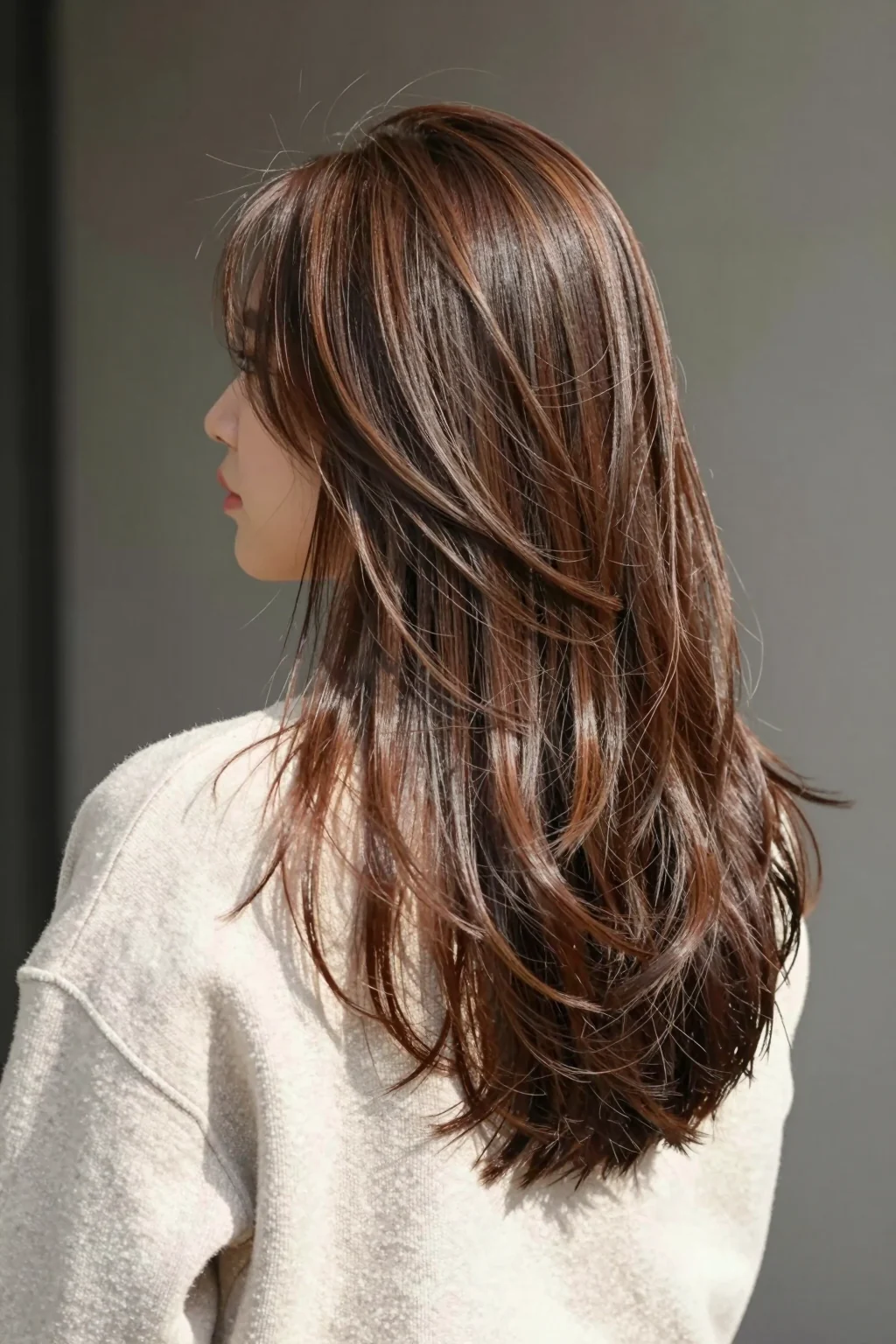
A styling reference, not a product photo.
What defines it
The basics
Gray blending describes a range of coloring techniques designed to integrate silver or white strands with your remaining pigmented hair instead of masking them completely. Traditional permanent hair color deposits opaque pigment over the entire strand, which creates a distinct demarcation line as hair grows. Blending techniques use multi-tonal dimensions, semi-permanent deposits, or temporary pigments to break up solid lines and mimic natural highlights.
The primary advantage of blending over full coverage is upkeep. When you weave highlights through gray hair or use translucent glosses, new growth tends to merge more smoothly with the existing color. You can often avoid the bi-weekly root touch-up cycle that flat, opaque dyes demand. This approach works whether you have a few stray temples or a head of silver scattered throughout your natural brown, blonde, or red hair.
This method differs from cold turkey silver transitions or complete color stripping. Rather than growing your hair out from a harsh dyed line, you shift the overall tone so the contrast becomes an intentional part of your look. The goal is a softer, diffused look that handles natural roots gracefully and gives you flexibility in your salon or at-home schedule.
Repeatable combinations
Formulas to try
- Partial foil highlights for crown and temples
- Ask for fine, dimensional foils concentrated around the face and crown where silver hair typically concentrates first. Fine weaves integrate better than thick chunks, creating a speckled effect that blurs the boundary between roots and lengths. This method may reduce salon maintenance frequency to every three to four months rather than every four weeks for some people.
- Acid-balanced gloss treatment
- Apply a clear or softly tinted demi-permanent gloss over clean, damp hair and let it process for twenty minutes. Glosses coat the hair shaft with translucent shine and a whisper of pigment that softens stark white hairs without lifting your natural base color. The tint typically fades gradually over four to six weeks without leaving a harsh line.
- Targeted root powder application
- Tap a mineral-based root touch-up powder onto dry hair along your part line and temples using a small precision brush. Press the powder gently into the roots so it adheres to the hair fiber rather than the scalp. This creates an instant shadow that breaks up the bright flash of gray until your next wash.
- Aerosol root spray technique
- Hold a temporary root touch-up spray six inches away from dry, styled hair and mist in short, light bursts along the parting. Avoid holding the can in one spot to prevent pooling or stiff patches. Brush through lightly after a minute to distribute the pigment and soften the finish.
- Balayage transition for grown-out color
- Paint freehand highlights onto the mid-lengths and ends while leaving the root area close to your natural salt-and-pepper shade. This technique draws the eye downward and creates a deliberate gradient that can make growing out a previous dark dye job significantly easier.
Your needs, your plans
Before you choose
- Upkeep frequency and time commitment
- Permanent root touch-ups often demand attention every three to four weeks, while highlights can sometimes stretch to twelve weeks. Glosses sit in the middle at four to six weeks, and root sprays typically require reapplication after washing. Match your method to the time and budget you want to spend on maintenance.
- Texture changes in gray hair
- Gray hair often appears coarser, wiry, or drier because the scalp tends to produce less natural oil as we age. When selecting a blending method, ensuring your conditioning routine matches these altered moisture needs can help your hair remain flexible and responsive to styling tools.
- Previous color history
- If your hair has years of dark box dye accumulated on the ends, moving to a softer gray-blending technique requires patience and often a color correction step. Putting highlights over heavy artificial dark pigment may not lift cleanly without professional intervention.
- Seasonal sun exposure
- Natural sunlight and UV rays can sometimes cause blonde highlights or translucent glosses to turn brassy over time, exposing unwanted yellow tones in silver hair. Using a UV-protective spray or a purple-pigmented shampoo occasionally may help if you notice your blended tones shifting warmer than intended.
From what you own
Build it and repeat it
Start by assessing your current percentage of gray hair and the pattern of its growth. If your silver hair is concentrated at the temples while the back remains dark, a partial foil focused around the face often provides high visual impact with less chemical processing. If your hair is evenly peppered throughout, a translucent gloss might be all you need to mute the stark white sparkle into a cohesive, shimmering shade.
Next, test temporary solutions before committing to permanent chemical changes. Purchase a mineral root powder or a wash-out spray to see how you feel about a softened contrast line in natural daylight. Once you decide on a long-term direction—whether booking strategic highlights or adopting at-home glosses—establish a consistent schedule that respects your hair's structural needs and keeps your routine manageable.
Keep exploring
Related guides
 Care & wash day
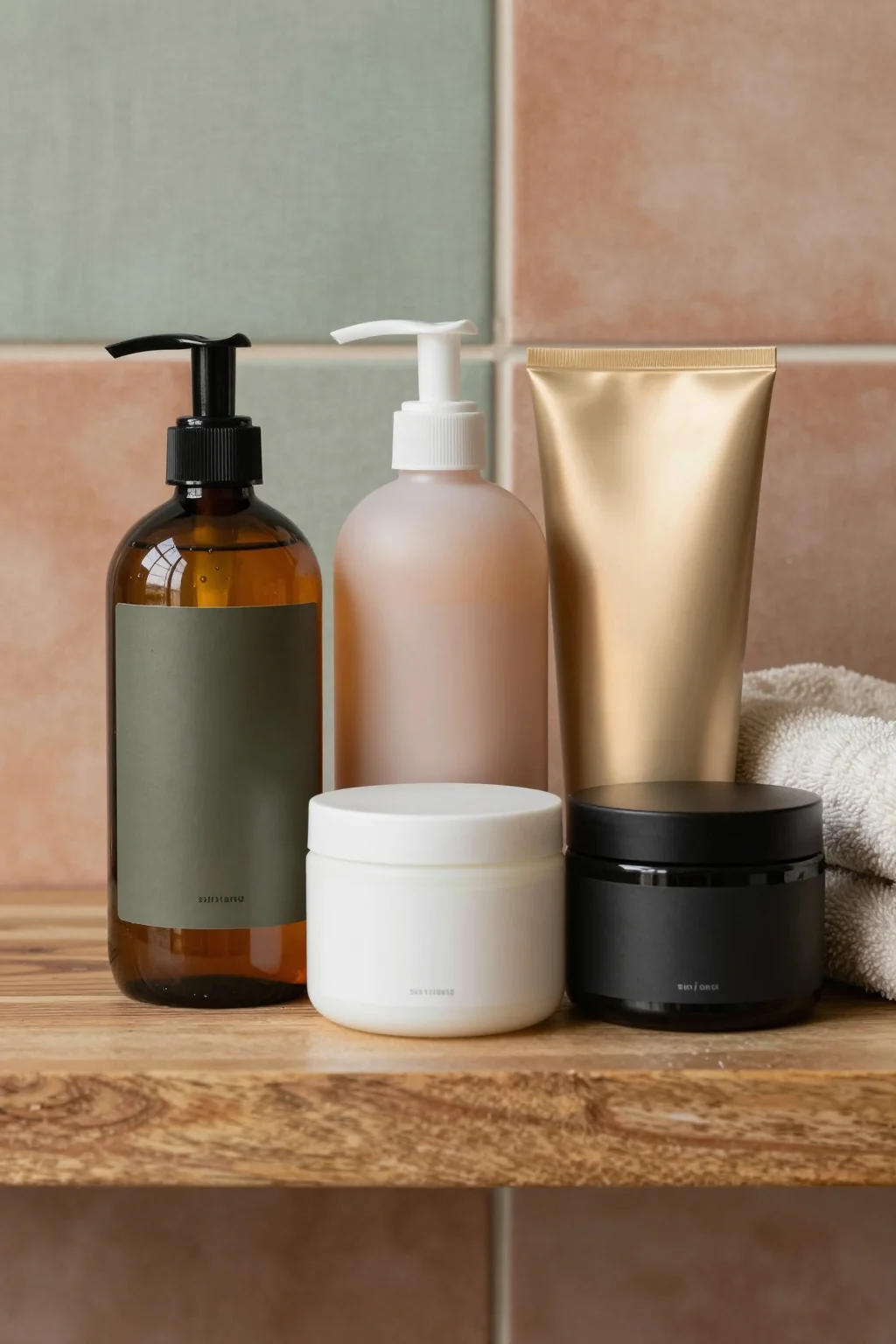
A deep conditioning care routine focuses on moisture and elasticity for coarse-feeling gray strands, whereas gray blending techniques alter the color and contrast of the hair.
 Everyday styles
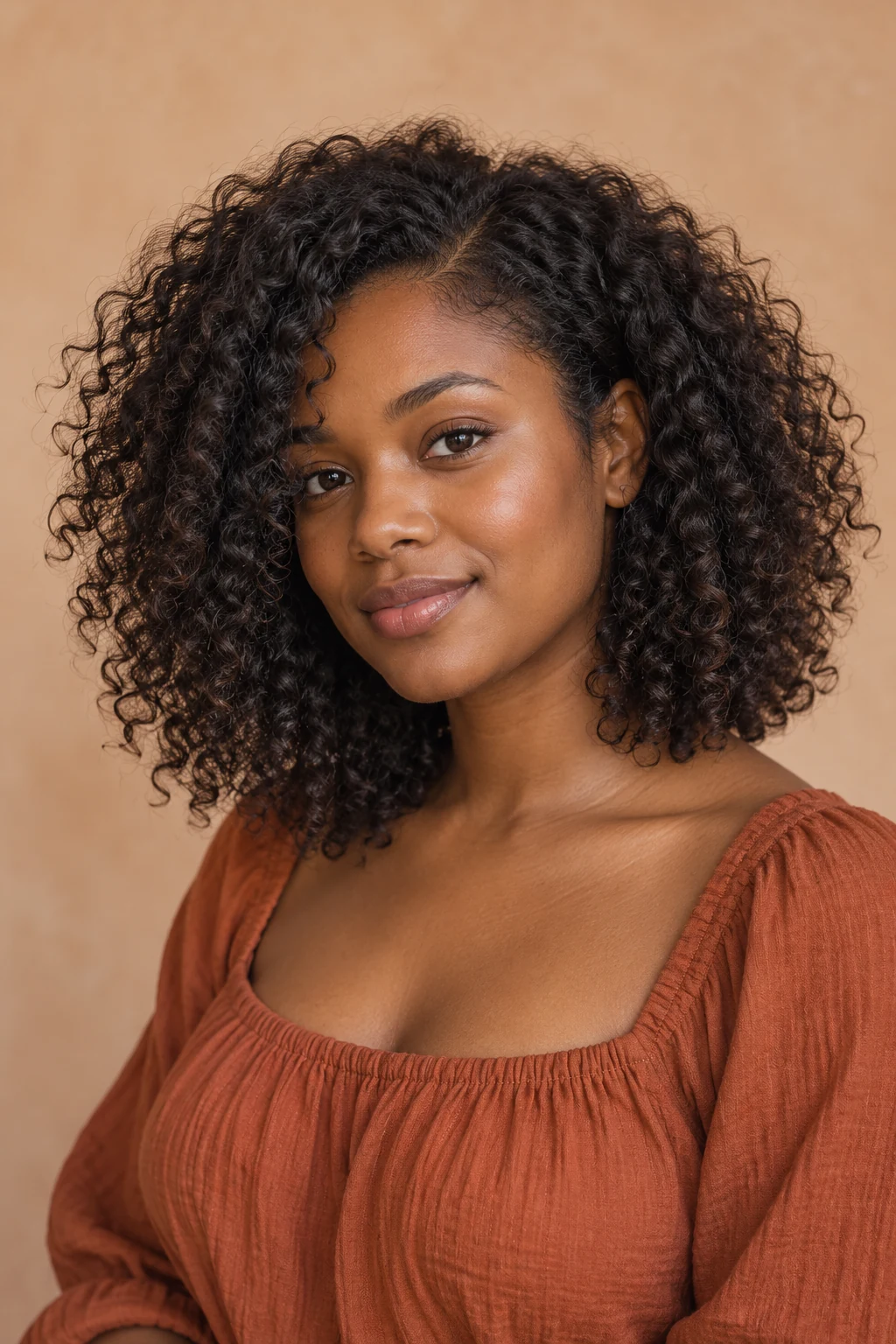
Layered and textured cuts physically shape the hair and add movement, while gray blending relies on color theory and pigments to soften contrast lines.
 Tools & products
Styling tools like flat irons and curling wands manipulate hair texture and shape using heat, while root sprays and glosses alter appearance strictly through chemical and mineral deposits.
Questions
How often do root sprays wash out?
Temporary root sprays are generally designed to wash out completely with a single shampoo. They are intended for quick, day-to-day camouflage and typically do not stain the hair shaft permanently, making them a lower-risk option for special events or bridging the gap between salon visits.
Do hair glosses cover gray hair completely?
No, hair glosses and demi-permanent toners do not provide opaque coverage for gray hair. Instead, they deposit a sheer wash of translucent color that tints white or silver strands slightly, blending them into the surrounding darker hair so the contrast is much less noticeable.
Why do highlights help hide gray better than solid all-over color?
Solid all-over color often creates a sharp, high-contrast line at the scalp within a couple of weeks as new gray hair emerges. Highlights introduce multiple shades of light and dark throughout the strands, which helps break up the solid line and mimics natural multi-tonal growth.
Can I transition to gray without cutting my hair short?
Yes, you can often transition without a drastic chop by using lowlights, highlights, and root-blurring techniques to ease the demarcation line down the hair shaft. While cutting off dyed ends speeds up the visual process, strategic coloring allows you to keep your length while your natural silver grows in.
Generated references, not tested products. .