Hair ideas / Wigs & hairpieces
How to style a synthetic wig: cutting, low heat, and realistic parting
A synthetic wig often arrives looking overly shiny, unnaturally stiff, and rigidly parted straight out of the box. Adjusting the fiber requires different techniques than natural hair because synthetic strands lack cuticles, do not respond to traditional moisture, and can melt under high temperatures.
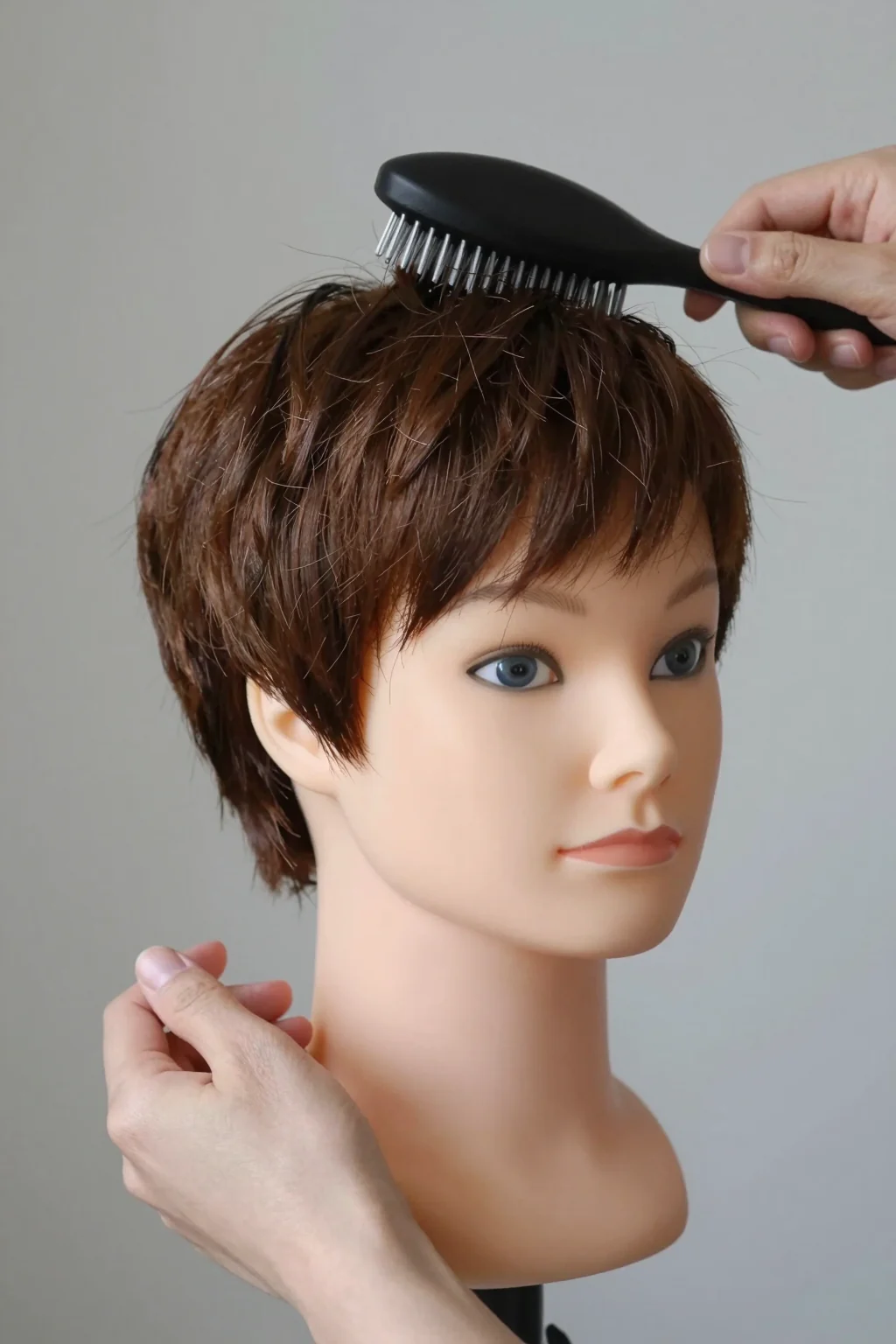
Three rules
Start here.
- Reduce excessive factory shine using dry shampoo, baby powder, or cornstarch patted lightly into the parting space and lengths to create a matte, scalp-like finish.
- Check the fiber tolerance before applying any heat, using only tools labeled heat-friendly up to 275-300 degrees Fahrenheit, or relying entirely on steam and hot water setting methods for standard synthetic fibers.
- Customize the lace and parting space by plucking stray hairs along the part and concealing the underlying webbing with concealer or foundation that matches your skin tone.
A styling reference, not a product photo.
What defines it
The basics
Styling a synthetic wig involves altering manufactured modacrylic or polyester fibers to mimic the movement, density, and fall of natural biological hair. Unlike human hair, synthetic fibers have a memory shape built into them during production, meaning they return to their original factory-set configuration after washing unless heat-styled or chemically altered with specific safety margins.
Out of the box, synthetic wigs frequently feature an intense plastic sheen and a dense, uniform hairline that gives away the illusion. Modifying the look requires addressing three main elements: reducing surface glare, customizing the cut and parting space, and working within strict thermal limits to avoid fusing or destroying the synthetic strands.
This process differs fundamentally from styling biological hair or human hair wigs. You cannot rely on heavy oils, silicones, or standard curling irons set to high settings. Every product, tool, and mechanical adjustment must respect the unique physical limitations of plastic-based fibers while achieving a natural, customized aesthetic.
Repeatable combinations
Formulas to try
- Matte finish powder treatment
- Dust a small amount of translucent setting powder, baby powder, or dry shampoo across the parting space and crown of the synthetic wig. Use a soft-bristle brush to distribute the powder evenly down the lengths. This may help remove the unnatural plastic gloss common to mass-produced synthetic fibers and creates a light-diffusing texture that some people find resembles natural human hair and scalp oil.
- Hot water parting reset
- If the wig part is stuck in an unnatural direction, place the wig securely on a canvas block head. Secure the hair in place with pins along the desired part line. Pour boiling water carefully over the parting area, smoothing the fibers down with a fine-tooth comb as the hot water relaxes the fiber's factory memory. Allow the hair to dry completely before removing the pins to lock the new part into place.
- Custom bang trimming
- Place the wig on your head or a mannequin head positioned at eye level. Gather the front fringe sections you want to turn into bangs, twisting them slightly before cutting to create a soft, textured edge rather than a blunt, blocky line. Cut with styling shears pointing vertically into the ends rather than straight across, removing small amounts of hair at a time until the fringe hits your desired length.
- Low-heat styling with curling tools
- If your synthetic wig label confirms it is heat-friendly up to 300 degrees Fahrenheit, set your curling wand or flat iron to its lowest effective setting. Take small one-inch sections, wrap them around the barrel, and hold for ten seconds. Slide the iron off and pin the curled section to the block head until it cools completely. The cooling phase is critical because synthetic fibers set their shape as they cool down, not while heat is applied.
- Concealer parting illusion
- Turn the wig inside out or place it on a stand to view the underside of the lace part. Dab a liquid concealer or powder foundation that matches your exact skin tone directly onto the center lace strip using a small makeup brush. Flip the wig right-side out and check the part in natural light. The makeup often helps transform the transparent or dark lace grid into a more convincing skin tone, helping to minimize the artificial grid look.
Your needs, your plans
Before you choose
- Heat damage and melting risks
- Standard synthetic fibers may melt, scorch, and permanently deform if exposed to standard human-hair styling temperatures above 300 degrees Fahrenheit. Even heat-friendly synthetic wigs may degrade faster than human hair when subjected to repeated high heat. Always test a hidden strand near the nape of the neck with your heating tool before styling the entire wig to verify its exact thermal threshold.
- Fiber memory and reverting challenges
- Synthetic hair retains its manufactured style memory, meaning straight wigs resist holding curls, and curly wigs fight attempts to straighten them. When you alter a style using heat or water setting methods, you are rewriting that memory. If you wash the wig in hot water later, it may partially or fully revert to its original factory state, requiring you to repeat your styling steps.
- Tandem shedding and tangling
- Synthetic fibers are prone to static electricity and friction-induced tangling, especially at the nape where the hair rubs against clothing. Pulling a brush forcefully through tangled synthetic hair stretches and can snap the plastic fibers, creating permanent frizz. Always detangle from the ends up using a wide-tooth comb designed for wigs, working slowly through knots without pulling the lace foundation.
- Lace customization limits
- When cutting the excess lace from the front of a lace-front wig, leave a tiny sixteenth-inch border of lace remaining to help prevent the seams from unraveling over time. Cutting too close to the knotted hair roots can cause the lace grid to tear and shed entire sections of hair. Use sharp precision embroidery scissors rather than standard kitchen scissors for clean cuts.
From what you own
Build it and repeat it
Styling a synthetic wig successfully begins with managing expectations about out-of-the-box appearance. Most synthetic pieces look overly shiny because manufacturers coat the modacrylic fibers with silicone during production to help prevent tangling in packaging. Your first step should often involve neutralizing that glare with powder or a specialized wig shampoo before attempting any cutting or parting adjustments.
Once the shine is managed, focus on the structural elements that can betray a wig: a rigid center part, a flat crown, and heavy, blunt ends. By utilizing hot water resetting for the part, vertical point-cutting for bangs, and skin-toned concealer along the lace parting space, you can often help transform an obvious synthetic piece into a more natural-looking hair accessory. Work patiently, test thermal tools on hidden sections, and let every heated or wet-set fiber cool completely before handling it.
Keep exploring
Related guides
 Care & wash day
Proper wig washing typically requires specialized synthetic-safe cleansers and cool water rinses, unlike natural hair care routines that often rely on warm water and heavy conditioning treatments.
 Tools & products
Styling synthetic hair usually requires specialized wide-tooth combs and heat-regulated low-temperature tools rather than standard metal combs or high-heat styling irons.
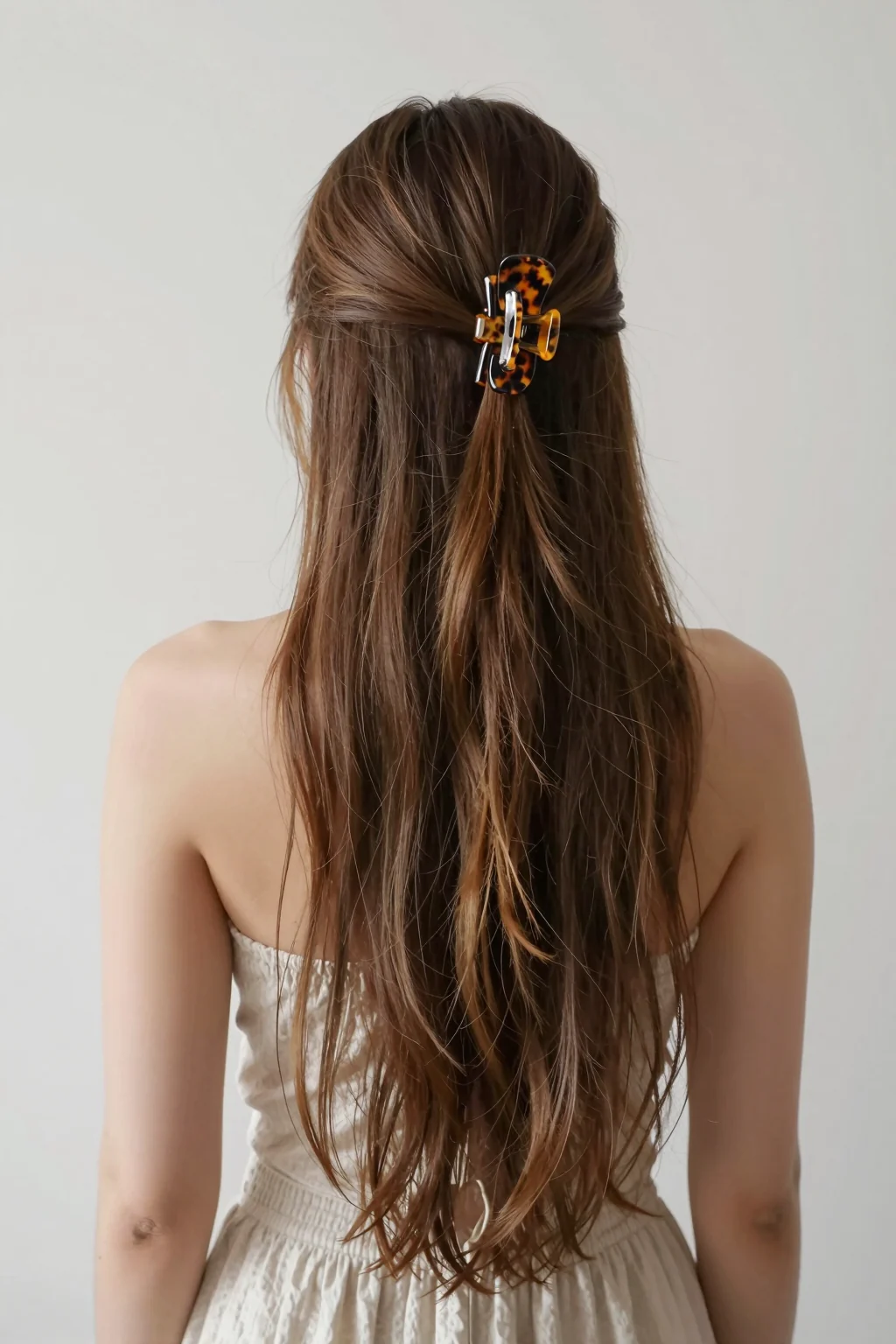 Clips & accessories
Wig stands, mannequin heads, and satin storage bags are useful accessories for maintaining synthetic hair shapes, whereas natural hair styling often relies on clips and pins.
Questions
How do I get rid of the shiny plastic look on my synthetic wig?
You can often reduce excessive shine by dusting translucent setting powder, baby powder, or cornstarch over the hair and brushing it through with a soft bristle brush. The powder particles help diffuse light reflection, which some people find mimics the natural matte texture of biological human hair and scalp oil.
Can I use a regular hair curling iron on a synthetic wig?
Only if the wig manufacturer explicitly labels the piece as heat-friendly. Even then, you should generally keep the iron below 300 degrees Fahrenheit. Standard synthetic fibers may melt and fuse upon contact with standard curling irons or flat irons set to normal human hair temperatures.
How do I change the part on a synthetic wig?
Place the wig on a canvas block head, secure the hair along your desired new part line with bobby pins, and pour boiling water carefully over the parting area. The hot water can help relax the synthetic fiber's factory memory. Allow the hair to dry completely before removing the pins.
How do I make the parting space look like a real scalp?
Turn the wig inside out or place it on a stand and apply a small amount of liquid concealer or powder foundation matching your skin tone directly onto the lace parting grid using a makeup brush. This can help conceal the dark lace backing and create a more realistic skin appearance.
Generated references, not tested products. .