Hair ideas / Wigs & hairpieces
How to wash a synthetic wig following the label directions
Synthetic wigs need gentler handling than human hair wigs because heat and rough washing can damage the fibers permanently. The care label tells you which products and methods are safe.
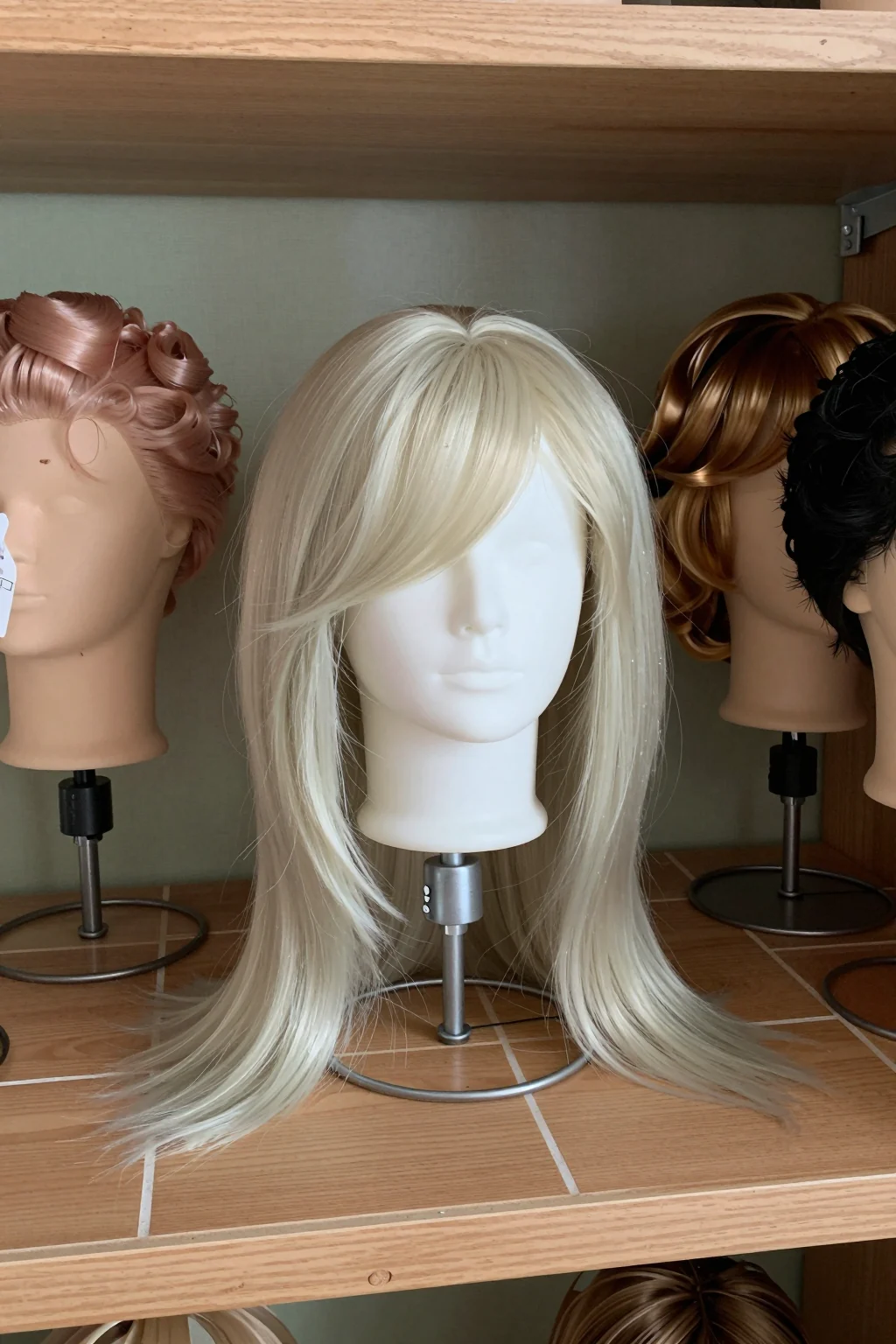
Three rules
Start here.
- Read the care label on the wig or its packaging before washing, because different synthetic fibers have different care requirements and heat tolerances.
- Use cool or lukewarm water and a product designed for synthetic wigs or a sulfate-free mild shampoo, because hot water and harsh detergents can damage the fibers.
- Handle the wig gently while washing, avoid twisting or wringing it, and let it air dry completely on a wig stand before wearing or styling it.
A styling reference, not a product photo.
What defines it
The basics
A synthetic wig is made from manufactured fibers designed to mimic the look and feel of human hair. Unlike human hair wigs, synthetic wigs cannot tolerate high heat and require specific washing methods to avoid damaging the fibers, matting or losing their shape. Washing a synthetic wig involves using cool or lukewarm water, a product designed for synthetic fibers or a mild shampoo, gently working the product through without rubbing or twisting, rinsing thoroughly, and air drying on a wig stand. The wig should not be wrung out, blow dried or exposed to heat during washing or drying.
What makes washing a synthetic wig different from washing human hair is the fiber structure. Synthetic fibers can melt, frizz or lose their texture if exposed to hot water or heat tools. They also tangle more easily when wet, so you need to handle the wig gently and avoid rough scrubbing. The care label on the wig or its packaging tells you the specific washing instructions, recommended products and heat tolerance. Following those instructions prevents damage and extends the wig's lifespan.
This is not the same as washing a human hair wig, which can usually tolerate warmer water and more manipulation. It also differs from dry cleaning a wig, which is a professional service. Most synthetic wigs are designed to be washed at home with the right products and technique.
Repeatable combinations
Formulas to try
- Basic synthetic wig washing
- Fill a basin or sink with cool or lukewarm water and add a small amount of wig shampoo or sulfate-free mild shampoo. Submerge the wig and gently swish it in the water for one to two minutes, working the shampoo through from cap to ends without rubbing or twisting. Rinse the wig under cool running water until the water runs clear. Gently squeeze out excess water without wringing, lay the wig on a towel and pat it to remove more water, then place it on a wig stand to air dry.
- Conditioning after washing
- After shampooing and rinsing, fill the basin with fresh cool water and add a small amount of wig conditioner or leave-in conditioner designed for synthetic fibers. Submerge the wig and let it soak for two to three minutes. Rinse lightly with cool water — some conditioner can be left in synthetic wigs to reduce static and add softness. Squeeze out excess water gently and air dry on a wig stand.
- Detangling before washing
- Before washing, gently comb through the wig with a wide-tooth comb or wig brush, starting at the ends and working upward to the cap. Remove any tangles or knots while the wig is dry, because wet synthetic fibers tangle more easily and are more fragile. If the wig is heavily tangled, work through the tangles slowly with your fingers or a detangling spray before using a comb.
- Spot cleaning between washes
- If the wig only has a small stain or buildup on the cap or hairline, you can spot clean it without a full wash. Dampen a cloth with cool water and a small amount of wig shampoo, gently dab the stained area, then rinse the cloth and dab again with clean water to remove the shampoo. Let the wig air dry. This extends the time between full washes.
- Drying on a wig stand
- After washing and squeezing out excess water, place the wig on a wig stand or a tall bottle so air can circulate around it. Do not place the wig on a flat surface or bunch it up, which can distort the cap shape. Let it air dry completely, which may take several hours or overnight. Do not use a blow dryer, even on a cool setting, unless the care label specifically says it is safe.
Your needs, your plans
Before you choose
- Washing frequency
- Synthetic wigs do not need to be washed as often as human hair wigs because they do not absorb oil from your scalp. Wash a synthetic wig every 10 to 15 wears, or when it looks dull, feels sticky, or has visible buildup from styling products or environmental exposure. Overwashing can shorten the wig's lifespan, so only wash when necessary.
- Water temperature and fiber damage
- Hot water can cause synthetic fibers to frizz, lose their curl pattern or melt. Always use cool or lukewarm water, even if the care label does not specify. If the water feels hot to the touch, it is too hot for a synthetic wig. Some heat-friendly synthetic wigs can tolerate slightly warmer water, but the care label will state this clearly.
- Product choice and buildup
- Use a shampoo and conditioner designed for synthetic wigs, or a sulfate-free mild shampoo if you do not have a wig-specific product. Avoid regular shampoos with sulfates or heavy conditioners, which can leave residue on synthetic fibers and make the wig look greasy or dull. If you use styling products on the wig, make sure they are labeled as safe for synthetic hair.
- Drying time and storage
- A synthetic wig can take four to eight hours or longer to air dry completely depending on the fiber density and length. Do not wear or style the wig until it is fully dry, as wet synthetic fibers are fragile and can stretch or lose their shape. Once dry, store the wig on a wig stand or in a breathable bag to maintain its shape and prevent tangling.
From what you own
Build it and repeat it
Start by reading the care label on your synthetic wig or its packaging. The label will tell you the recommended washing method, water temperature and any products to avoid. Before washing, gently comb through the wig to remove tangles. Fill a basin or sink with cool or lukewarm water and add a small amount of wig shampoo or sulfate-free mild shampoo. Submerge the wig and swish it gently in the water for one to two minutes without rubbing or twisting. Rinse under cool running water until the water runs clear.
If you are using conditioner, fill the basin with fresh cool water, add conditioner, and let the wig soak for two to three minutes. Rinse lightly. Gently squeeze out excess water without wringing, lay the wig on a towel and pat it to remove more water, then place it on a wig stand to air dry completely. Do not use heat tools or a blow dryer unless the care label says it is safe. Let the wig dry for at least four to eight hours or overnight before wearing or styling it.
Keep exploring
Related guides
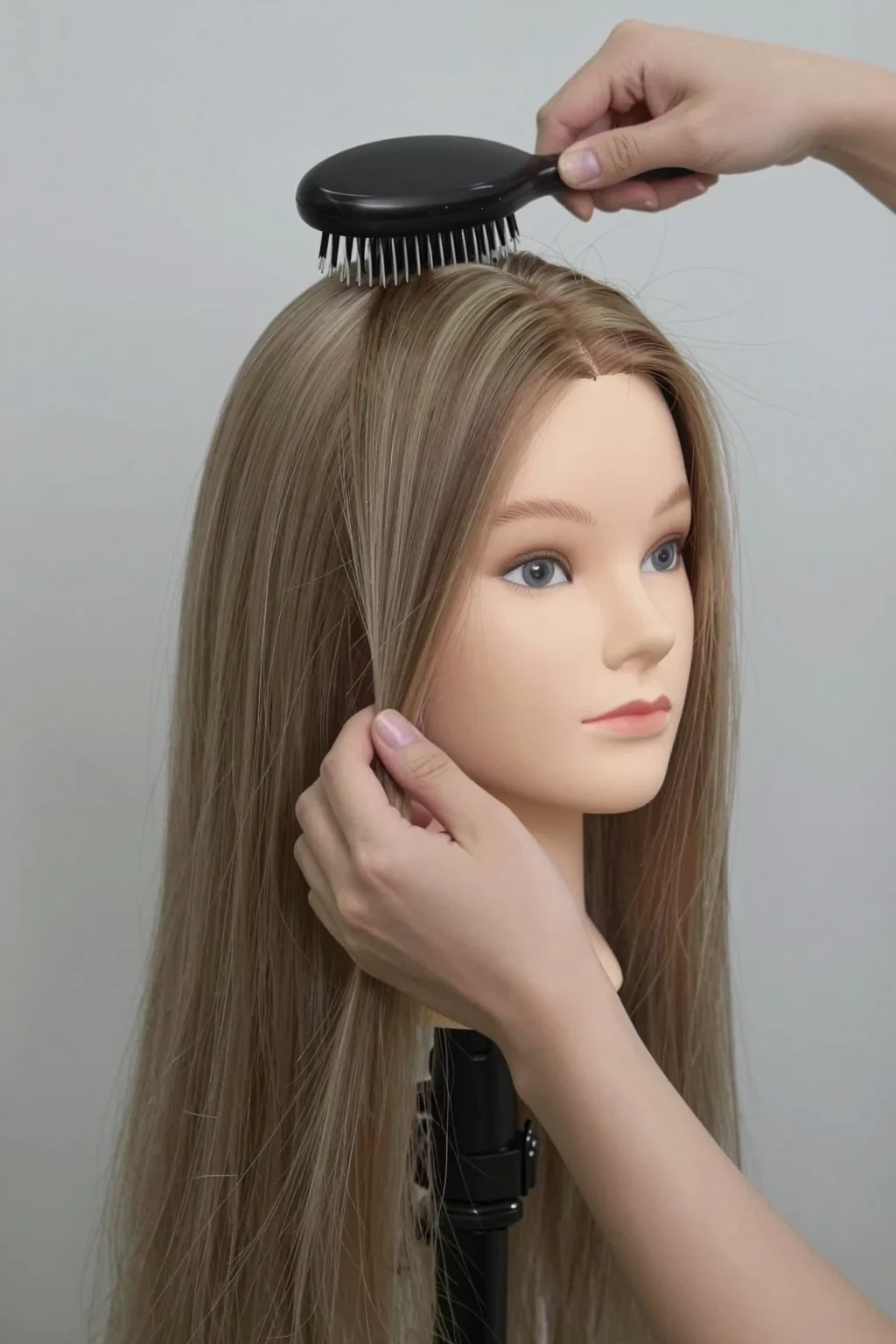 Wigs & hairpieces
Washing a synthetic wig involves gentle handling with cool water and wig-specific products, while fitting a wig cap focuses on securing the wig to your head comfortably before wearing it.
 Care & wash day
Curly hair wash day routines involve cleansing, conditioning and styling natural hair to preserve curl pattern, while washing a synthetic wig focuses on gently cleaning manufactured fibers without heat or rough handling.
Questions
How often should I wash a synthetic wig?
Wash a synthetic wig every 10 to 15 wears, or when it looks dull, feels sticky, or has visible buildup. Synthetic wigs do not absorb scalp oil like human hair, so they do not need frequent washing. Overwashing can shorten the wig's lifespan by wearing down the fibers. If you wear the wig daily, you may need to wash it every two to three weeks.
Can I use regular shampoo on a synthetic wig?
It is better to use a shampoo designed for synthetic wigs or a sulfate-free mild shampoo. Regular shampoos with sulfates can strip synthetic fibers and leave residue that makes the wig look dull or greasy. If you do not have wig shampoo, a gentle, sulfate-free baby shampoo or a mild shampoo for color-treated hair can work in a pinch. Avoid shampoos with heavy oils or moisturizers.
Can I blow dry a synthetic wig?
Most synthetic wigs cannot be blow dried because the heat can melt or damage the fibers. Always air dry synthetic wigs on a wig stand. Some heat-friendly synthetic wigs can tolerate low heat from a blow dryer, but the care label will state this clearly. If the label does not mention heat styling, assume the wig is not heat-friendly and air dry only.
Why does my synthetic wig look frizzy after washing?
Frizz after washing usually comes from using water that is too hot, rubbing or twisting the wig while washing, or not rinsing out all the shampoo. Use cool or lukewarm water, handle the wig gently by swishing it in the water without rubbing, and rinse thoroughly until the water runs clear. If the wig is still frizzy after proper washing, it may be nearing the end of its lifespan or may have been exposed to heat at some point.
Generated references, not tested products. .